Takeaways people can pass on
These cards are tuned for social discoverability: one clean idea, one strong visual treatment, and one tap to share on mobile.
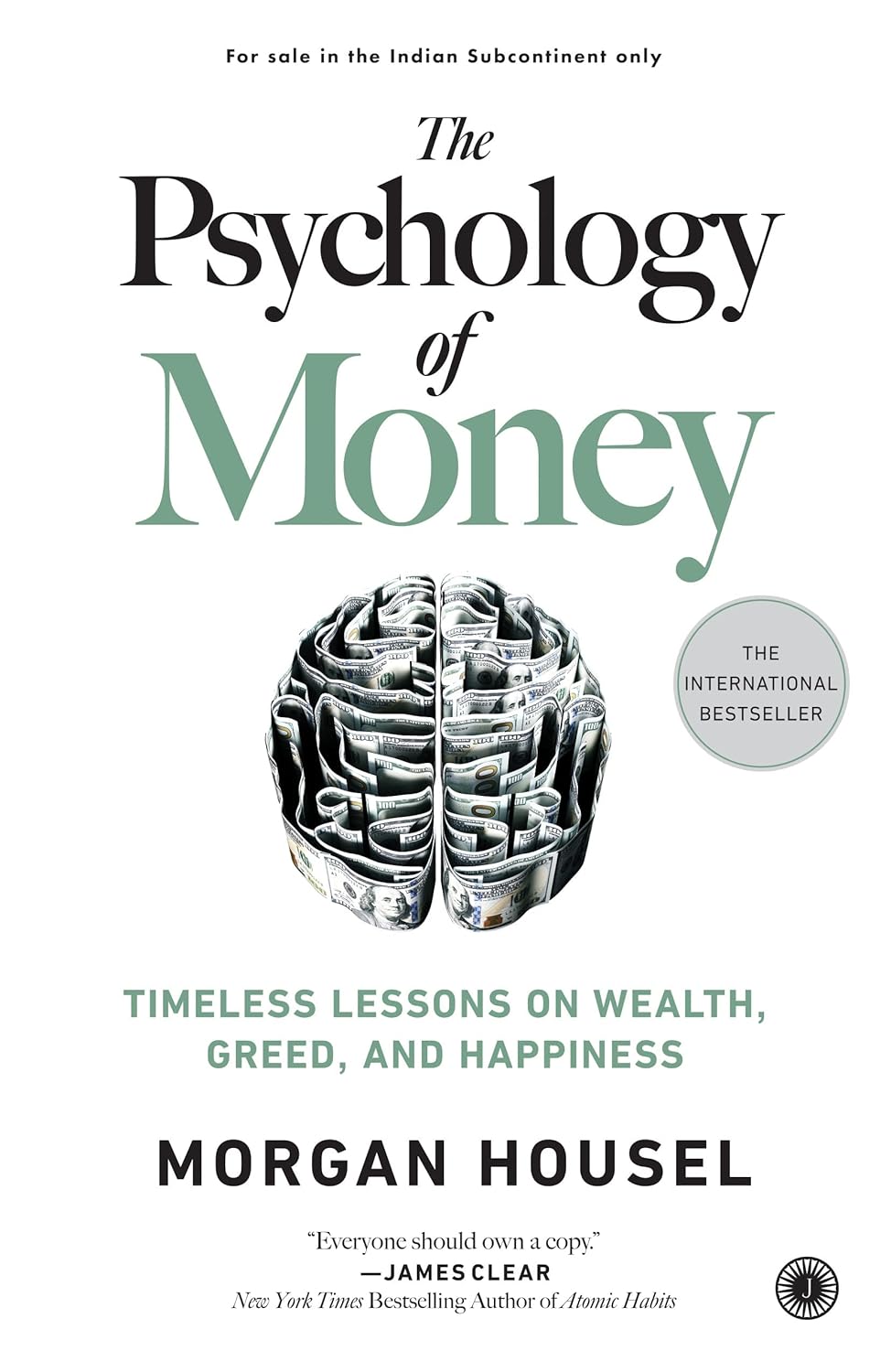
The Psychology Of Money
by Morgan Housel
Financial decisions are deeply personal and influenced by individual experiences.
Turn the useful part of the book into something worth passing on.
Financial decisions are deeply personal and influenced by individual experiences.
Share with the ReadSprint source so others can read the context.
The Psychology Of Money
by Morgan Housel
What seems irrational to one person may be perfectly rational to another.
Turn the useful part of the book into something worth passing on.
What seems irrational to one person may be perfectly rational to another.
Share with the ReadSprint source so others can read the context.
The Psychology Of Money
by Morgan Housel
Empathy and understanding are key to grasping diverse financial behaviors.
Turn the useful part of the book into something worth passing on.
Empathy and understanding are key to grasping diverse financial behaviors.
Share with the ReadSprint source so others can read the context.
The Psychology Of Money
by Morgan Housel
Historical context plays a significant role in shaping financial attitudes.
Turn the useful part of the book into something worth passing on.
Historical context plays a significant role in shaping financial attitudes.
Share with the ReadSprint source so others can read the context.
The Psychology Of Money
by Morgan Housel
Approach financial discussions with empathy, recognizing that others' decisions are shaped by their unique experiences.
Turn the useful part of the book into something worth passing on.
Approach financial discussions with empathy, recognizing that others' decisions are shaped by their unique experiences.
Share with the ReadSprint source so others can read the context.
The Psychology Of Money
by Morgan Housel
This chapter sets the stage for the book by highlighting the subjective nature of financial decision-making, emphasizing empathy and understanding.
Turn the useful part of the book into something worth passing on.
This chapter sets the stage for the book by highlighting the subjective nature of financial decision-making, emphasizing empathy and understanding.
Share with the ReadSprint source so others can read the context.
The Psychology Of Money
by Morgan Housel
This chapter explores the idea that everyone has unique experiences that shape their financial decisions, making them appear rational to themselves but potentially irrational to others. Housel emphasizes that understanding these perspectiv…
Turn the useful part of the book into something worth passing on.
This chapter explores the idea that everyone has unique experiences that shape their financial decisions, making them appear rational to themselves but potentially irrational to others. Housel emphasizes that understanding these perspectives is crucial to comprehending financial behavior.
Share with the ReadSprint source so others can read the context.
The Psychology Of Money
by Morgan Housel
Success is often a combination of luck and skill.
Turn the useful part of the book into something worth passing on.
Success is often a combination of luck and skill.
Share with the ReadSprint source so others can read the context.
The Psychology Of Money
by Morgan Housel
Risk is an inherent part of financial decisions.
Turn the useful part of the book into something worth passing on.
Risk is an inherent part of financial decisions.
Share with the ReadSprint source so others can read the context.
The Psychology Of Money
by Morgan Housel
Overemphasizing skill can lead to overconfidence.
Turn the useful part of the book into something worth passing on.
Overemphasizing skill can lead to overconfidence.
Share with the ReadSprint source so others can read the context.
The Psychology Of Money
by Morgan Housel
Recognizing luck and risk can lead to humility and better decision-making.
Turn the useful part of the book into something worth passing on.
Recognizing luck and risk can lead to humility and better decision-making.
Share with the ReadSprint source so others can read the context.
The Psychology Of Money
by Morgan Housel
Balance confidence with humility by acknowledging the roles of luck and risk in your financial decisions.
Turn the useful part of the book into something worth passing on.
Balance confidence with humility by acknowledging the roles of luck and risk in your financial decisions.
Share with the ReadSprint source so others can read the context.