Understand books faster.Remember more of what you read.
ReadSprint turns every book into a structured learning workflow with chapter summaries, key takeaways, quizzes, and guided review so the ideas stay usable after the first session.
Understand the book without losing the thread.
Test comprehension instead of just skimming.
Turn takeaways into reflection and application.
Keep each book organized for later review.
See momentum build across books and quizzes.
Read, review, quiz, and return with purpose.
Proof that this is built for learning, not just skimming
Structured summaries, quiz-based review, and active reading sessions make ReadSprint feel like a study tool for ambitious readers instead of another one-click summary generator.
books organized into learning-friendly summaries
quiz answers completed across the platform
guided learning sessions completed
active readers building a reusable library
A faster path from book to usable knowledge
ReadSprint is designed to move you from first pass to stronger comprehension, recall, and application.
Understand the main ideas quickly
Start with structured chapter summaries and key takeaways that help you capture the book's argument without flattening it into a few vague bullets.
Check what actually stuck
Use quizzes, prompts, and guided review to separate familiarity from real understanding and improve recall while the ideas are still fresh.
Keep the learning usable later
Return to saved summaries, quiz history, and follow-up prompts so the book stays useful at work, in study sessions, and in conversation.
What onboarding looks like when it is meant to create momentum
The goal is not to show every feature. It is to get you to one book, one useful summary, and one retrieval moment as quickly as possible.
1. Add a real book
Upload a cover or type a title and author. The goal is to start with something you actually want to remember.
2. Skim the chapter logic
See what the chapter is arguing, why it matters, and what makes it worth keeping.
3. Use active recall
Answer one quiz question or prompt before the ideas blur together. Retrieval is the mechanism, not decoration.
4. Revisit when needed
Return before a meeting, project, or study session instead of reopening the entire book from scratch.
See what “learning from a book” looks like inside ReadSprint
The goal is not to compress books into generic blurbs. It is to help you understand the argument, surface the ideas worth keeping, and make review practical later.
Chapter Summary
Chapter 4: Identity shapes behavior
Instead of listing scattered highlights, ReadSprint explains the chapter's core claim, why it matters, and how it connects to the broader book so you can retain the thread of the argument.
What this chapter is saying
Lasting behavior change becomes easier when actions support the kind of person you want to become, not just the outcome you hope to reach.
Why it matters
This reframes habits from willpower problems into identity cues, which makes the idea easier to apply in work, health, and study routines.
Key takeaways
Quiz Example
Active recall check-in
Which statement best captures the chapter's main point?
Why this helps retention
Retrieval forces you to restate the concept, which is more effective for memory than simply re-reading a clean summary.
Learning prompts
Use prompts to deepen comprehension
Review rhythm
Designed for revisiting, not just finishing
Day 1
Read the summary and capture the core argument.
Day 3
Revisit the quiz to check what still feels clear.
Next use
Return to the saved takeaways before your next decision, meeting, or discussion.
Retrieval is what moves ideas from “I saw that” to “I can use that”
ReadSprint uses summaries to lower the cost of re-entry, then uses quizzes and prompts to surface what you can actually pull back from memory. That gap is where real learning happens.
Read with a structure worth revisiting
Structured chapter summaries lower the cost of re-entry, so you are more likely to come back to the material at the right moment.
Retrieve before you re-read
When you answer a question from memory first, you expose what is fuzzy instead of mistaking familiarity for learning.
Use feedback to reinforce the weak spots
A short quiz or prompt shows which idea needs one more pass, so review time goes where it actually matters.
The value of a book is delayed unless you can recover it later
Good reading products do more than deliver content quickly. They make it easier to bring the right idea back at the moment you need it.
Retention turns content into usable judgment
A book only creates leverage when you can pull the right idea back into view during work, study, or conversation.
Review beats restarting
Returning to a saved summary is a lower-friction habit than reopening a full book and hoping you find the important part again.
Learning compounds when it stays connected
Progress, saved summaries, and recurring prompts make each new book easier to place inside a broader understanding.
See how ReadSprint turns reading into a reviewable system
This is what it looks like when summaries, quizzes, and learning prompts live in one place.
What You Walk Away With
Every part of ReadSprint is built to help you understand faster, retain more, and use what you read in real life.

What you're seeing
Personalized next-book suggestions based on what you already use.
Follow a smarter reading path
Use recommendations shaped by what you have already explored, saved, and understood so the next book fits your learning goals.
Explore feature
What you're seeing
Quick recall checks that make the ideas easier to retrieve later.
Strengthen memory with quiz-driven review
Turn passive reading into active recall with quizzes that help the strongest ideas stay available after the session ends.
Explore feature
What you're seeing
Chapter context that helps you understand why a point matters.
Use chapter-level depth when a book matters
Move past generic takeaways and revisit the sections that deserve more attention, context, and discussion.
Explore feature
What you're seeing
Useful notes that move directly into your working system.
Keep your insights in the flow of work
Export useful takeaways into the tools where you plan, write, and think so reading continues after the summary.
Explore feature
What you're seeing
A personal summary stack you can reopen before real decisions.
Build a library worth revisiting
Save polished summaries for review sessions, study blocks, or quick refreshers before meetings and conversations.
Explore feature
What you're seeing
Discussion prompts that help you apply ideas with other people.
Make reading more social and applied
Use discussion prompts and book club workflows to turn solo reading into sharper questions and better conversations.
Explore featureWhat a useful reading session looks like in practice
These are small examples, but they show the product stance: reading matters when it changes what you notice, decide, or do next.
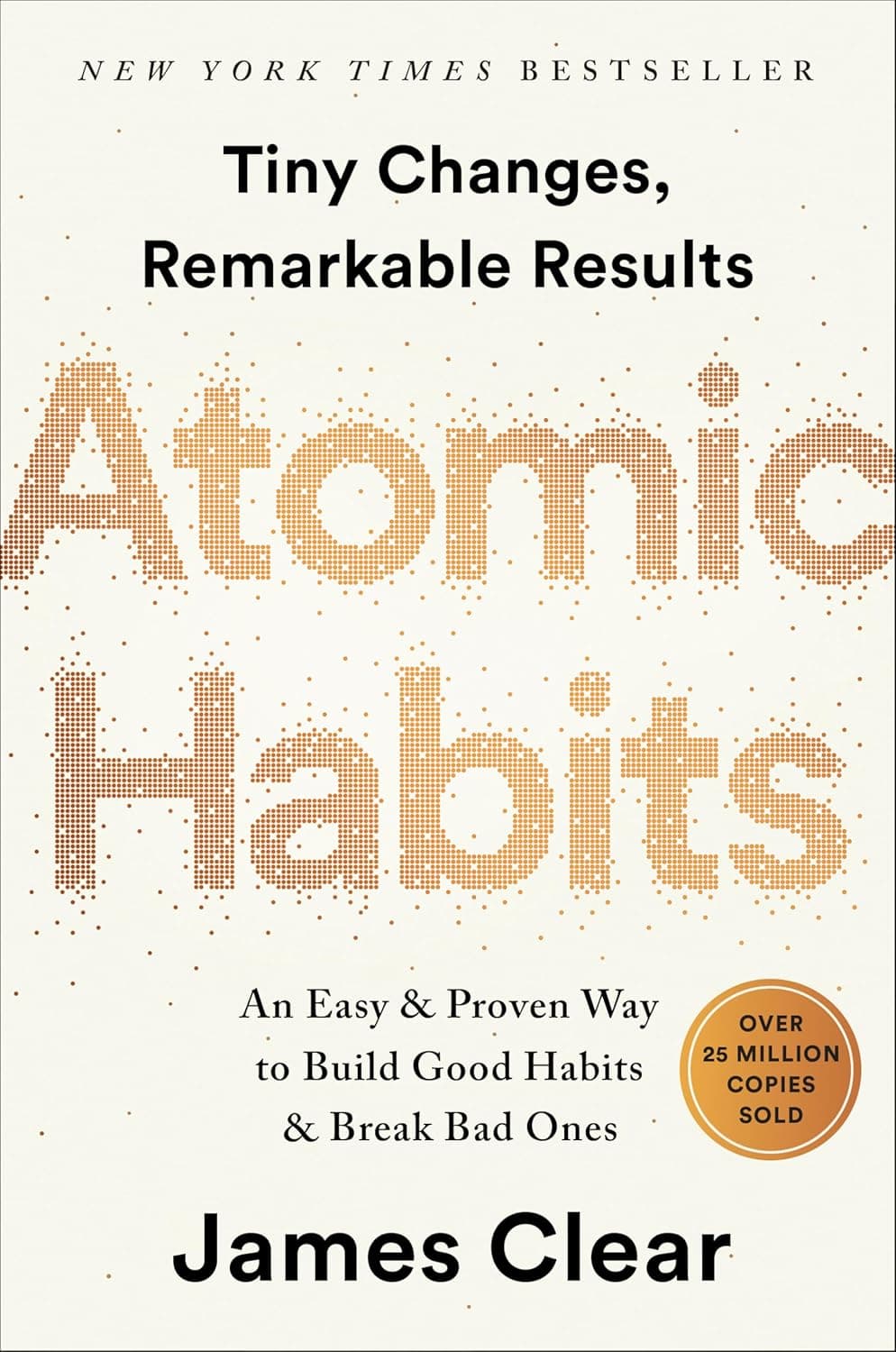
Atomic Habits before a team reset
Core takeaway
Identity-based habits stick better than motivation spikes.
Recall prompt
What kind of team identity are we trying to reinforce with this process change?
The summary gives you the concept quickly. The recall prompt forces you to translate it into a decision.
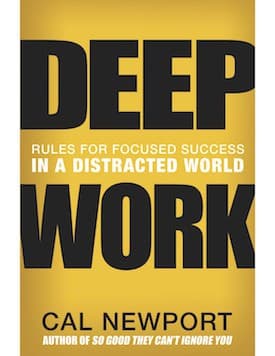
Deep Work before a planning week
Core takeaway
Protecting uninterrupted attention is a systems problem, not just a discipline problem.
Recall prompt
Which calendar or notification rule is undermining focused work right now?
Instead of vaguely remembering the book, you leave with a concrete operational question.
Essentialism before saying yes
Core takeaway
Trade-offs become clearer when the real cost of a commitment is visible.
Recall prompt
What existing commitment gets weaker if I add this one?
ReadSprint keeps the argument and the application prompt together so the idea is easier to use under pressure.
Because one answer is not the same as a learning system
General AI is great for quick help. ReadSprint exists for readers who want a repeatable workflow: consistent chapter organization, active recall, saved history, and progress that compounds over time.
What ReadSprint adds on top of raw AI capability
ReadSprint vs Blinkist, Headway, and generic AI summarizers
Different tools solve different problems. ReadSprint is positioned for readers who want structured comprehension and retention, not just faster consumption.
Built for progress, review, and memory reinforcement
Books become more valuable when you can return to them with clear context. ReadSprint helps turn one reading session into an ongoing learning habit with review-friendly outputs and visible progress.
Short review loops beat good intentions
Retention improves when you revisit ideas on purpose. ReadSprint gives you a faster path back into the material than re-reading an entire book.
Reading goals need feedback
A saved library, quiz history, and progress signals make it easier to keep reading momentum visible instead of relying on memory alone.
Comprehension compounds with retrieval
Quiz-driven review and discussion prompts help the book move from recognition into usable understanding.
Example progress snapshot
This week in your reading rhythm
4 of 6 learning actions completed
Summaries reviewed
3
One new book, two revisit sessions
Quizzes completed
2
Strong recall with one chapter to revisit
Club check-ins
1
Shared one summary with your habit club
Next review
Tomorrow
Re-open key takeaways before they fade
A learning platform should feel active, not disposable
Recent reading activity, reusable summaries, and real review moments make the platform feel alive and worth returning to.
Recent activity
Readers are actively reviewing, not just generating
Quiz completed
12 minutes agoThe Psychology of Money review finished with 8/10 recall score.
Learning session saved
34 minutes agoA founder added chapter notes from Deep Work to their library.
Discussion prompt used
1 hour agoAtomic Habits prompts opened before a team habit-design workshop.
Book club prep
TodayA reader revisited key takeaways from Essentialism before a meeting.
Recently summarized
The library keeps growing
Atomic Habits
Example library card
Deep Work
Example library card
Essentialism
Example library card
Thinking, Fast and Slow
Example library card
Platform pulse
Signals of an active learning product
214
review sessions completed this week
67
books revisited after the first reading session
42
discussion-driven learning sessions saved today
Different readers, same conversion goal: one useful learning loop
ReadSprint works best when the first session solves a real use case, not when it tries to impress with feature overload.
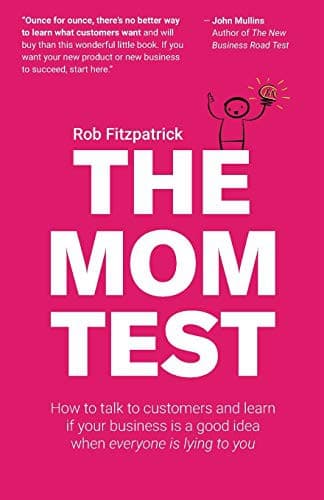
Founder learning for decisions
Generates a summary of The Mom Test, saves it, then reopens the key takeaways before a customer interview block.
Student building recall
Reviews a chapter summary, takes the quiz two days later, and uses weaker questions as a study guide.
Manager preparing for a meeting
Pulls up key ideas from Crucial Conversations, checks one prompt, and enters the meeting with a clearer framing.
Start free, then upgrade when the workflow proves itself
ReadSprint is positioned around perceived educational value: structured summaries, active recall, saved review, and a cleaner path back into important ideas.
Trial with a real use case
The free trial should be enough time to generate a summary, save a book, and feel whether the review loop improves your reading.
Pay for continuity, not novelty
The value proposition is ongoing access to a reusable learning system, not a one-time AI-generated shortcut.
Best for serious nonfiction readers
Especially useful for founders, students, managers, and anyone who needs to recall ideas after the first read.
Start with one book you actually need to remember
That is the clearest path to understanding the value of ReadSprint. Generate one summary, use one recall check, and see whether the learning feels easier to recover later.
Stay close to new learning paths and review ideas
Get notified when ReadSprint adds new summaries, learning tools, and retention-focused reading resources.
Frequently Asked Questions
Everything you need to know about ReadSprint

Built by Bronson Dunbar
Full-stack Developer & Product Builder
I build products that help people think more clearly, learn faster, and keep useful ideas accessible. ReadSprint is part of that mission.
