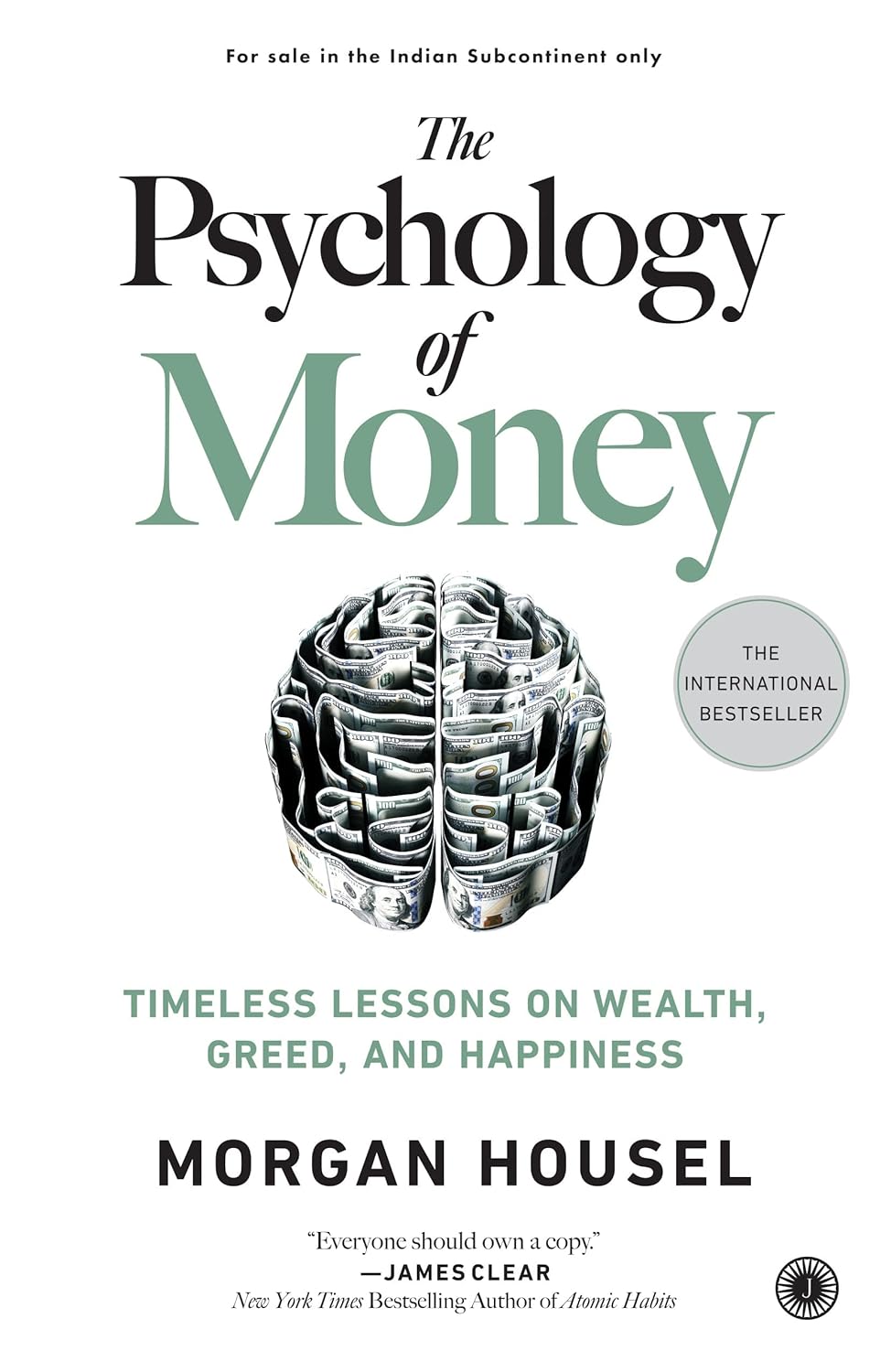
Concept map
These are the ideas doing most of the work inside The Psychology Of Money. Study them as reusable mental models, then jump back into chapters or questions when you want more context.
No One's Crazy
This chapter explores the idea that everyone has unique experiences that shape their financial decisions, making them appear rational to themselves but potentially irrational to others. Housel emphasizes that understanding these perspectives is crucial to comprehending financial behavior.
Supporting points
- Financial decisions are deeply personal and influenced by individual experiences.
- What seems irrational to one person may be perfectly rational to another.
- Empathy and understanding are key to grasping diverse financial behaviors.
How does no one's crazy change the way you would explain or apply The Psychology Of Money?
No One's Crazy
Luck & Risk
Housel discusses the roles of luck and risk in financial success, arguing that both are often underestimated or misunderstood. He illustrates how acknowledging these factors can lead to more balanced financial decisions.
Supporting points
- Success is often a combination of luck and skill.
- Risk is an inherent part of financial decisions.
- Overemphasizing skill can lead to overconfidence.
How does luck & risk change the way you would explain or apply The Psychology Of Money?
Luck & Risk
Never Enough
This chapter delves into the concept of "enough," exploring how the pursuit of more can lead to dissatisfaction and poor financial choices. Housel argues for the importance of defining personal limits and contentment.
Supporting points
- The pursuit of more can be endless and unsatisfying.
- Defining "enough" is crucial for financial well-being.
- Contentment can lead to better financial decisions.
How does never enough change the way you would explain or apply The Psychology Of Money?
Never Enough
Confounding Compounding
Housel explains the power of compounding, illustrating how small, consistent actions can lead to significant financial growth over time. He emphasizes the importance of patience and long-term thinking.
Supporting points
- Compounding is a powerful financial tool.
- Small, consistent actions can lead to significant growth.
- Patience is key to benefiting from compounding.
How does confounding compounding change the way you would explain or apply The Psychology Of Money?
Confounding Compounding
Getting Wealthy vs. Staying Wealthy
The chapter distinguishes between the skills needed to acquire wealth and those required to maintain it. Housel argues that humility, frugality, and adaptability are crucial for preserving wealth.
Supporting points
- Acquiring wealth and maintaining it require different skills.
- Humility and frugality are key to staying wealthy.
- Adaptability helps in navigating financial changes.
How does getting wealthy vs. staying wealthy change the way you would explain or apply The Psychology Of Money?
Getting Wealthy vs. Staying Wealthy
Tails, You Win
Housel explores the concept of tail events—rare, impactful occurrences that can disproportionately affect financial outcomes. He argues that understanding and preparing for these events is crucial for financial resilience.
Supporting points
- Tail events are rare but have significant impacts.
- Preparing for tail events can enhance financial resilience.
- Diversification can mitigate the effects of tail events.
How does tails, you win change the way you would explain or apply The Psychology Of Money?
Tails, You Win
Freedom
This chapter discusses the value of financial independence and the freedom it provides. Housel emphasizes that true wealth is the ability to control one's time and make choices without financial constraints.
Supporting points
- Financial independence offers freedom and control over time.
- True wealth is the ability to make choices without constraints.
- Financial freedom can lead to a more fulfilling life.
How does freedom change the way you would explain or apply The Psychology Of Money?
Freedom
Man in the Car Paradox
Housel introduces the "Man in the Car Paradox," where people often desire wealth to impress others, but those others are usually indifferent. He argues for focusing on personal satisfaction rather than external validation.
Supporting points
- People often seek wealth for external validation.
- Others are usually indifferent to displays of wealth.
- Personal satisfaction should be prioritized over impressing others.
How does man in the car paradox change the way you would explain or apply The Psychology Of Money?
Man in the Car Paradox