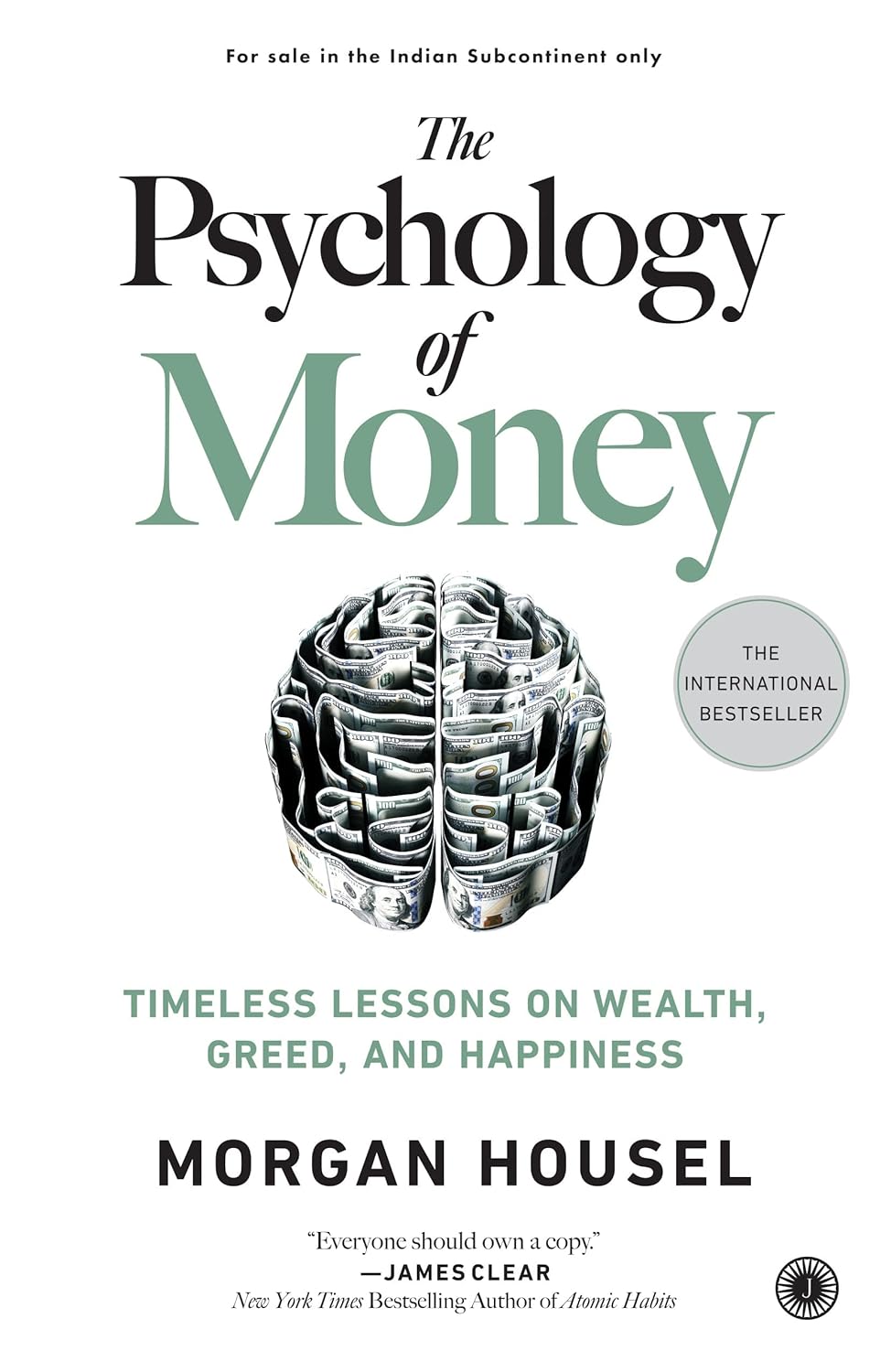
The Psychology Of Money: ReadSprint summary highlights
ReadSprint paraphrases for review. These highlights are not verbatim quotations from the book or its author. Check the original edition for exact wording and context.
The Psychology Of Money
by Morgan Housel
This chapter explores the idea that everyone has unique experiences that shape their financial decisions, making them appear rational to themselves but potentially irrational to others.
ReadSprint paraphrase · Not a quotation from the author.
This chapter explores the idea that everyone has unique experiences that shape their financial decisions, making them appear rational to themselves but potentially irrational to others.
The importance of empathy in financial decisions.
Share with the ReadSprint source so others can read the context.
The Psychology Of Money
by Morgan Housel
Housel emphasizes that understanding these perspectives is crucial to comprehending financial behavior.
ReadSprint paraphrase · Not a quotation from the author.
Housel emphasizes that understanding these perspectives is crucial to comprehending financial behavior.
The power of small, consistent actions over time.
Share with the ReadSprint source so others can read the context.
The Psychology Of Money
by Morgan Housel
The importance of empathy in financial decisions.
ReadSprint paraphrase · Not a quotation from the author.
The importance of empathy in financial decisions.
Focus on personal fulfillment rather than external validation.
Share with the ReadSprint source so others can read the context.
The Psychology Of Money
by Morgan Housel
The power of small, consistent actions over time.
ReadSprint paraphrase · Not a quotation from the author.
The power of small, consistent actions over time.
Conservative estimates and buffers are crucial.
Share with the ReadSprint source so others can read the context.
The Psychology Of Money
by Morgan Housel
Focus on personal fulfillment rather than external validation.
ReadSprint paraphrase · Not a quotation from the author.
Focus on personal fulfillment rather than external validation.
Pessimism often seems more compelling than optimism.
Share with the ReadSprint source so others can read the context.
The Psychology Of Money
by Morgan Housel
Conservative estimates and buffers are crucial.
ReadSprint paraphrase · Not a quotation from the author.
Conservative estimates and buffers are crucial.
A central idea in The Psychology Of Money is that everyone has unique experiences that shape their financial decisions, making them appear rational to themselves but potentially irrational to others. Housel emphasizes that understanding these perspectives is crucial to comprehending financial behavior.
Share with the ReadSprint source so others can read the context.
Use these highlights to review the book
Which highlight from The Psychology Of Money changes how you would explain the book to someone else?
Which lesson here is worth testing in a real decision this week?
Which highlight feels memorable but less actionable once you slow down and examine it?