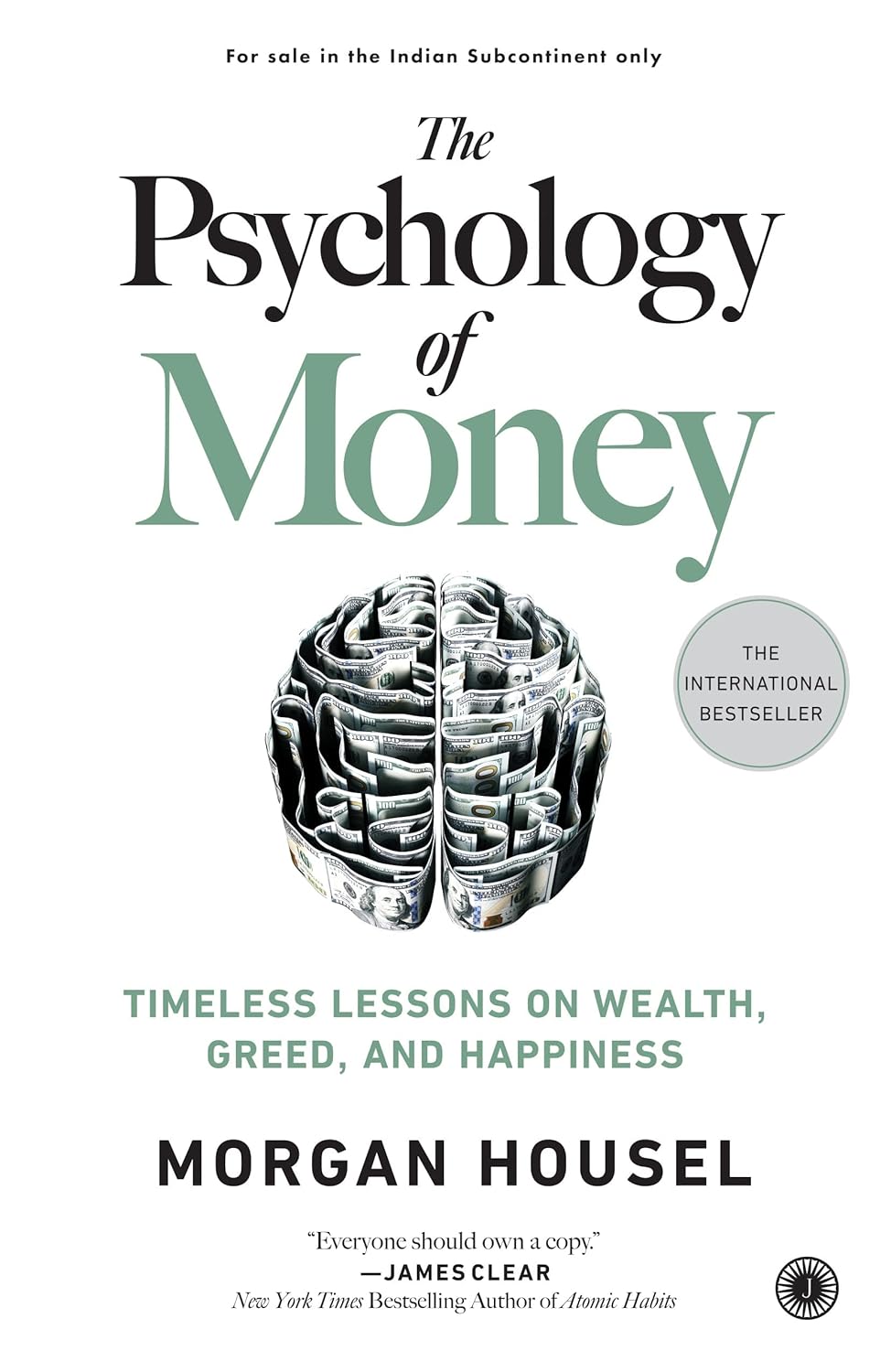
Book overview
This chapter explores the idea that everyone has unique experiences that shape their financial decisions, making them appear rational to themselves but potentially irrational to others. Housel emphasizes that understanding these perspectives is crucial to comprehending financial behavior.
This page is built to be a compact learning hub for The Psychology Of Money. You can move from the high-level summary into takeaways, quiz prompts, chapter review, and related books without breaking the reading flow.
Best takeaways to keep
Financial decisions are deeply personal and influenced by individual experiences.
What seems irrational to one person may be perfectly rational to another.
Empathy and understanding are key to grasping diverse financial behaviors.
Historical context plays a significant role in shaping financial attitudes.
Approach financial discussions with empathy, recognizing that others' decisions are shaped by their unique experiences.
This chapter sets the stage for the book by highlighting the subjective nature of financial decision-making, emphasizing empathy and understanding.
Retrieval practice
What is a key theme in the chapter 'No One's Crazy'?
What does the chapter 'Confounding Compounding' emphasize?
In 'The Man in the Car Paradox', what is a key takeaway?
What does the chapter 'Room for Error' suggest about financial planning?
Quiz preview
What is a key theme in the chapter 'No One's Crazy'?
- The importance of empathy in financial decisions
- The role of luck in financial success
- The power of compounding
What does the chapter 'Confounding Compounding' emphasize?
- The unpredictability of financial markets
- The importance of saving money
- The power of small, consistent actions over time
In 'The Man in the Car Paradox', what is a key takeaway?
- Focus on personal fulfillment rather than external validation
- Always strive to impress others with wealth
- Financial independence is the ultimate goal
What does the chapter 'Room for Error' suggest about financial planning?
- Over-optimism is beneficial
- Conservative estimates and buffers are crucial
- Risk should be avoided at all costs
Chapter map
No One's Crazy
This chapter explores the idea that everyone has unique experiences that shape their financial decisions, making them appear rational to themselves but potentially irrational to others. Housel emphasizes that understanding these perspectives is crucial to comprehending financial behavior.
Luck & Risk
Housel discusses the roles of luck and risk in financial success, arguing that both are often underestimated or misunderstood. He illustrates how acknowledging these factors can lead to more balanced financial decisions.
Never Enough
This chapter delves into the concept of "enough," exploring how the pursuit of more can lead to dissatisfaction and poor financial choices. Housel argues for the importance of defining personal limits and contentment.
Confounding Compounding
Housel explains the power of compounding, illustrating how small, consistent actions can lead to significant financial growth over time. He emphasizes the importance of patience and long-term thinking.
Getting Wealthy vs. Staying Wealthy
The chapter distinguishes between the skills needed to acquire wealth and those required to maintain it. Housel argues that humility, frugality, and adaptability are crucial for preserving wealth.
Next best step
Move next into the questions page if you want better retention, or into the takeaways page if you want the shortest useful review loop for this book.