Concept map
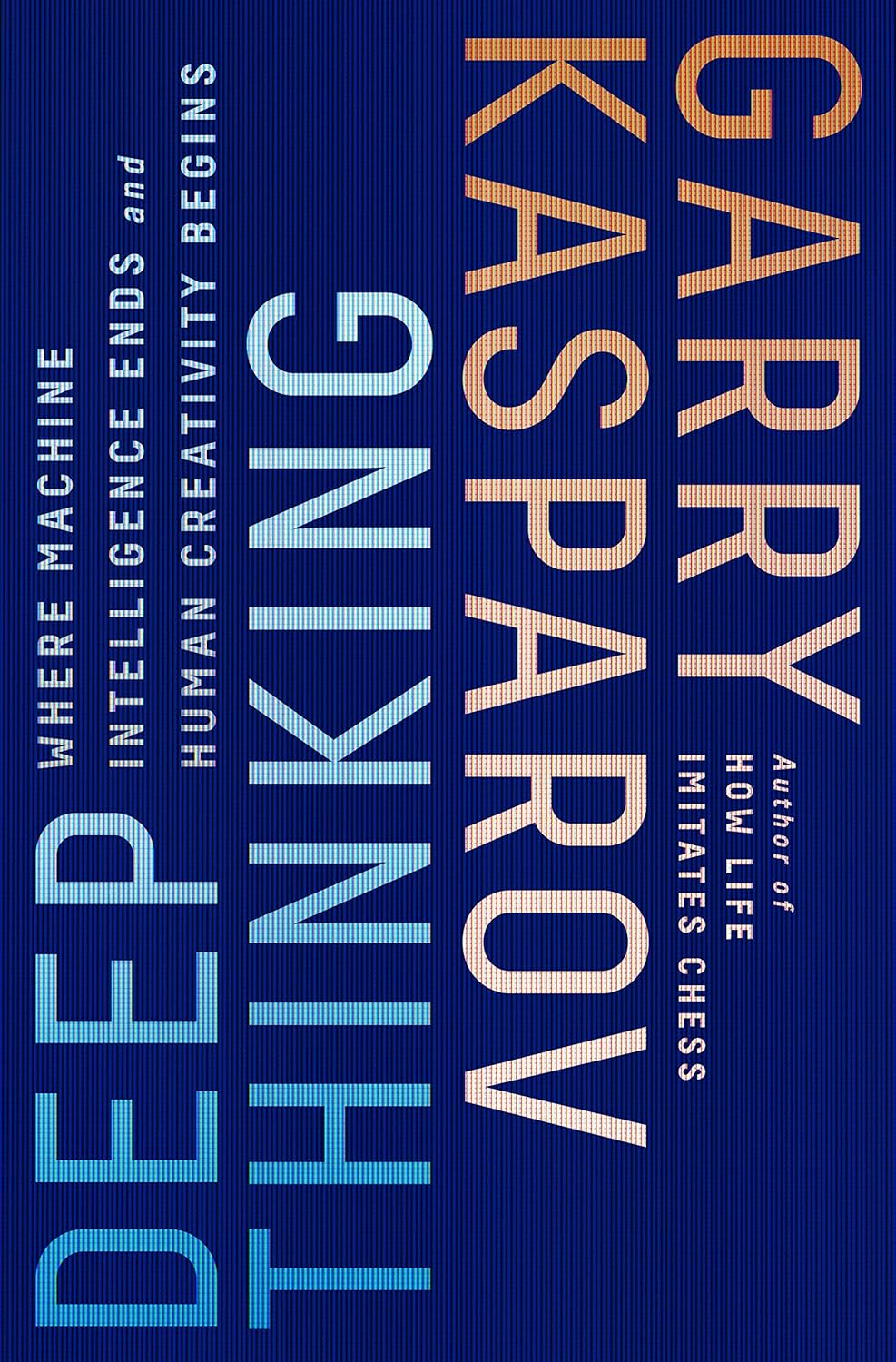
These are the ideas doing most of the work inside Deep Thinking: Where Machine Intelligence Ends and Human Creativity Begins. Study them as reusable mental models, then jump back into chapters or questions when you want more context.
Prologue: Facing the Machine
Garry Kasparov recounts his first encounters with computer chess and frames the book around the confrontation between human intuition and machine computation. He sets up the narrative of Deep Blue as a turning point and introduces the central question of where machine intelligence ends and human creativity begins.
Supporting points
- Personal framing of human vs machine through the author's experiences as a world chess champion.
- Introduction of Deep Blue as emblematic of broader technological change.
- Emphasis on the emotional and philosophical stakes of competing with machines.
How does prologue: facing the machine change the way you would explain or apply Deep Thinking: Where Machine Intelligence Ends and Human Creativity Begins?
Prologue: Facing the Machine
1. The Long Game — Chess, Strategy, and Computation
Kasparov explains chess as a deep strategic domain where short-term calculation and long term planning intersect, and argues that studying chess illuminates general issues about computation and decision-making. He describes how chessthinking combines pattern recognition, evaluation, and search — processes that map well onto debates about artificial intelligence.
Supporting points
- Chess requires both brute
- force calculation and qualitative judgment about position and strategy.
- Pattern recognition and experience guide human choices when exhaustive search is impossible.
How does 1. the long game — chess, strategy, and computation change the way you would explain or apply Deep Thinking: Where Machine Intelligence Ends and Human Creativity Begins?
1. The Long Game — Chess, Strategy, and Computation
2. From Rules to Learning — A Short History of AI
Kasparov surveys key developments in AI from rule-based expert systems to statistical learning approaches, highlighting shifts in methodology and expectations. He traces cycles of optimism and disillusionment while emphasizing how practical advances often arise from combining ideas rather than single breakthroughs.
Supporting points
- Early AI focused on hand
- coded rules and symbolic reasoning, which struggled with real-world complexity.
- Statistical methods and machine learning shifted focus to data
How does 2. from rules to learning — a short history of ai change the way you would explain or apply Deep Thinking: Where Machine Intelligence Ends and Human Creativity Begins?
2. From Rules to Learning — A Short History of AI
3. Deep Blue — The Match That Changed Everything
Kasparov gives a detailed account of the development and matches of Deep Blue, culminating in the historic 1997 game that represented a symbolic shift in human–machine competition. He narrates technical details, team dynamics, and the emotional intensity surrounding the match.
Supporting points
- Deep Blue combined specialized hardware with sophisticated search algorithms and evaluation functions.
- The matches exposed gaps between computational power and human strategic understanding, as well as moments where computers outperformed humans on concrete calculation.
- Kasparov reflects on the psychological pressure and public perception shaped by the competition.
How does 3. deep blue — the match that changed everything change the way you would explain or apply Deep Thinking: Where Machine Intelligence Ends and Human Creativity Begins?
3. Deep Blue — The Match That Changed Everything
4. Aftermath — Lessons from Victory and Defeat
Kasparov reflects on the aftermath of his matches with Deep Blue, exploring lessons about preparation, adaptation, and the limits of purely computational dominance. He discusses how the encounter changed his understanding of machines and informed broader conversations about collaboration and rivalry.
Supporting points
- Human players learned to adapt their preparation, embracing computer analysis as a tool rather than fearing it.
- The psychological and interpretive dimensions of competition remain uniquely human and important.
- The episode highlighted the need for transparency about machine processes and the role of human oversight.
How does 4. aftermath — lessons from victory and defeat change the way you would explain or apply Deep Thinking: Where Machine Intelligence Ends and Human Creativity Begins?
4. Aftermath — Lessons from Victory and Defeat
5. The Rise of Machine Learning and Big Data
Kasparov sketches the emergence of machine learning and the data-driven revolution that followed Deep Blue, explaining how access to large datasets and improved algorithms transformed practical AI applications. He examines how scale, computing power, and new architectures enabled systems that learn patterns from data rather than relying solely on hand crafted rules.
Supporting points
- The availability of big data and increased computing power propelled advances in supervised and unsupervised learning.
- New model architectures and training techniques allowed machines to solve problems once thought out of reach.
- Practical AI shifted from toy problems to real
How does 5. the rise of machine learning and big data change the way you would explain or apply Deep Thinking: Where Machine Intelligence Ends and Human Creativity Begins?
5. The Rise of Machine Learning and Big Data
6. The Limits of Algorithms — What Machines Don’t Understand
Kasparov explores fundamental limits of algorithmic approaches, arguing that machines struggle with context, common sense, and the kinds of flexible reasoning that humans perform easily. He emphasizes that computation excels at defined problems but often fails where nuance, values, and ambiguous objectives matter.
Supporting points
- Algorithms lack human
- style common sense and struggle with out-of
- distribution or under-specified problems.
How does 6. the limits of algorithms — what machines don’t understand change the way you would explain or apply Deep Thinking: Where Machine Intelligence Ends and Human Creativity Begins?
6. The Limits of Algorithms — What Machines Don’t Understand
7. Human Strengths — Intuition, Judgment, and Creativity
Kasparov celebrates distinctively human capacities — intuition, judgment, creativity — and argues these remain essential even as machines become more capable. He proposes that humans and machines should be paired to leverage complementary strengths for better decision-making and creative outcomes.
Supporting points
- Intuition and pattern
- based judgment allow humans to make leaps that pure computation may miss.
- Creativity involves recombination, analogical thinking, and value
How does 7. human strengths — intuition, judgment, and creativity change the way you would explain or apply Deep Thinking: Where Machine Intelligence Ends and Human Creativity Begins?
7. Human Strengths — Intuition, Judgment, and Creativity