Takeaways people can pass on
These cards are tuned for social discoverability: one clean idea, one strong visual treatment, and one tap to share on mobile.
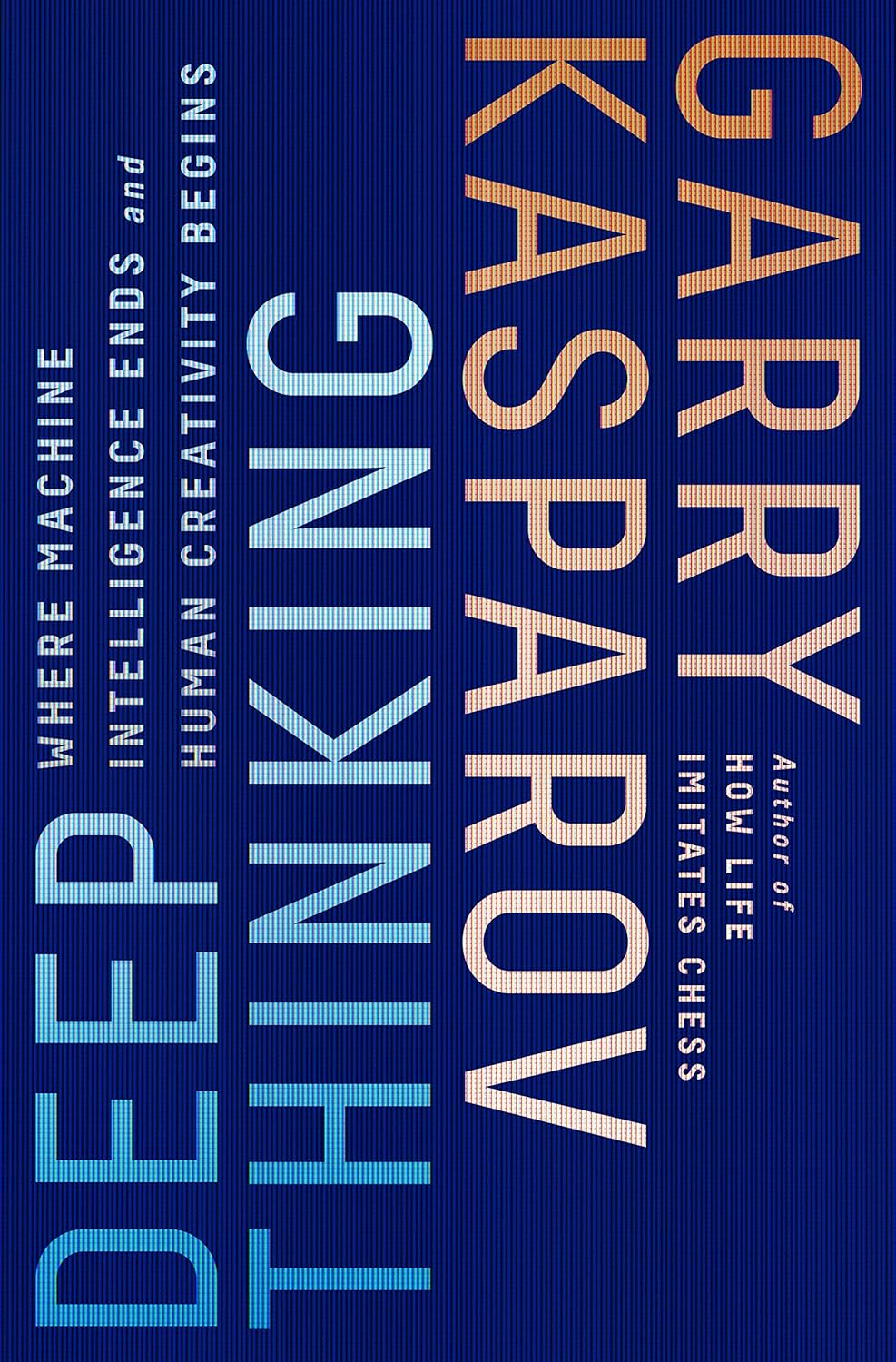
Deep Thinking: Where Machine Intelligence Ends and Human Creativity Begins
by Garry Kasparov
Personal framing of human vs machine through the author's experiences as a world chess champion.
Turn the useful part of the book into something worth passing on.
Personal framing of human vs machine through the author's experiences as a world chess champion.
Share with the ReadSprint source so others can read the context.
Deep Thinking: Where Machine Intelligence Ends and Human Creativity Begins
by Garry Kasparov
Introduction of Deep Blue as emblematic of broader technological change.
Turn the useful part of the book into something worth passing on.
Introduction of Deep Blue as emblematic of broader technological change.
Share with the ReadSprint source so others can read the context.
Deep Thinking: Where Machine Intelligence Ends and Human Creativity Begins
by Garry Kasparov
Emphasis on the emotional and philosophical stakes of competing with machines.
Turn the useful part of the book into something worth passing on.
Emphasis on the emotional and philosophical stakes of competing with machines.
Share with the ReadSprint source so others can read the context.
Deep Thinking: Where Machine Intelligence Ends and Human Creativity Begins
by Garry Kasparov
The prologue establishes chess as a useful laboratory for exploring intelligence and strategy.
Turn the useful part of the book into something worth passing on.
The prologue establishes chess as a useful laboratory for exploring intelligence and strategy.
Share with the ReadSprint source so others can read the context.
Deep Thinking: Where Machine Intelligence Ends and Human Creativity Begins
by Garry Kasparov
Use the chess-human machine narrative as a framework to evaluate technological advances in your own field.
Turn the useful part of the book into something worth passing on.
Use the chess-human machine narrative as a framework to evaluate technological advances in your own field.
Share with the ReadSprint source so others can read the context.
Deep Thinking: Where Machine Intelligence Ends and Human Creativity Begins
by Garry Kasparov
The prologue positions the Deep Blue matches as both a historical event and a lens for examining modern AI and its implications for human agency. It signals that the book will mix memoir, technical explanation, and philosophical reflection.
Turn the useful part of the book into something worth passing on.
The prologue positions the Deep Blue matches as both a historical event and a lens for examining modern AI and its implications for human agency. It signals that the book will mix memoir, technical explanation, and philosophical reflection.
Share with the ReadSprint source so others can read the context.
Deep Thinking: Where Machine Intelligence Ends and Human Creativity Begins
by Garry Kasparov
Garry Kasparov recounts his first encounters with computer chess and frames the book around the confrontation between human intuition and machine computation. He sets up the narrative of Deep Blue as a turning point and introduces the cent…
Turn the useful part of the book into something worth passing on.
Garry Kasparov recounts his first encounters with computer chess and frames the book around the confrontation between human intuition and machine computation. He sets up the narrative of Deep Blue as a turning point and introduces the central question of where machine intelligence ends and human creativity begins.
Share with the ReadSprint source so others can read the context.
Deep Thinking: Where Machine Intelligence Ends and Human Creativity Begins
by Garry Kasparov
Chess requires both brute
Turn the useful part of the book into something worth passing on.
Chess requires both brute
Share with the ReadSprint source so others can read the context.
Deep Thinking: Where Machine Intelligence Ends and Human Creativity Begins
by Garry Kasparov
force calculation and qualitative judgment about position and strategy.
Turn the useful part of the book into something worth passing on.
force calculation and qualitative judgment about position and strategy.
Share with the ReadSprint source so others can read the context.
Deep Thinking: Where Machine Intelligence Ends and Human Creativity Begins
by Garry Kasparov
Pattern recognition and experience guide human choices when exhaustive search is impossible.
Turn the useful part of the book into something worth passing on.
Pattern recognition and experience guide human choices when exhaustive search is impossible.
Share with the ReadSprint source so others can read the context.
Deep Thinking: Where Machine Intelligence Ends and Human Creativity Begins
by Garry Kasparov
Computers excel at rapid calculation but historically lacked contextual judgment.
Turn the useful part of the book into something worth passing on.
Computers excel at rapid calculation but historically lacked contextual judgment.
Share with the ReadSprint source so others can read the context.
Deep Thinking: Where Machine Intelligence Ends and Human Creativity Begins
by Garry Kasparov
The chapter frames chess as a microcosm for broader computational challenges in strategy.
Turn the useful part of the book into something worth passing on.
The chapter frames chess as a microcosm for broader computational challenges in strategy.
Share with the ReadSprint source so others can read the context.