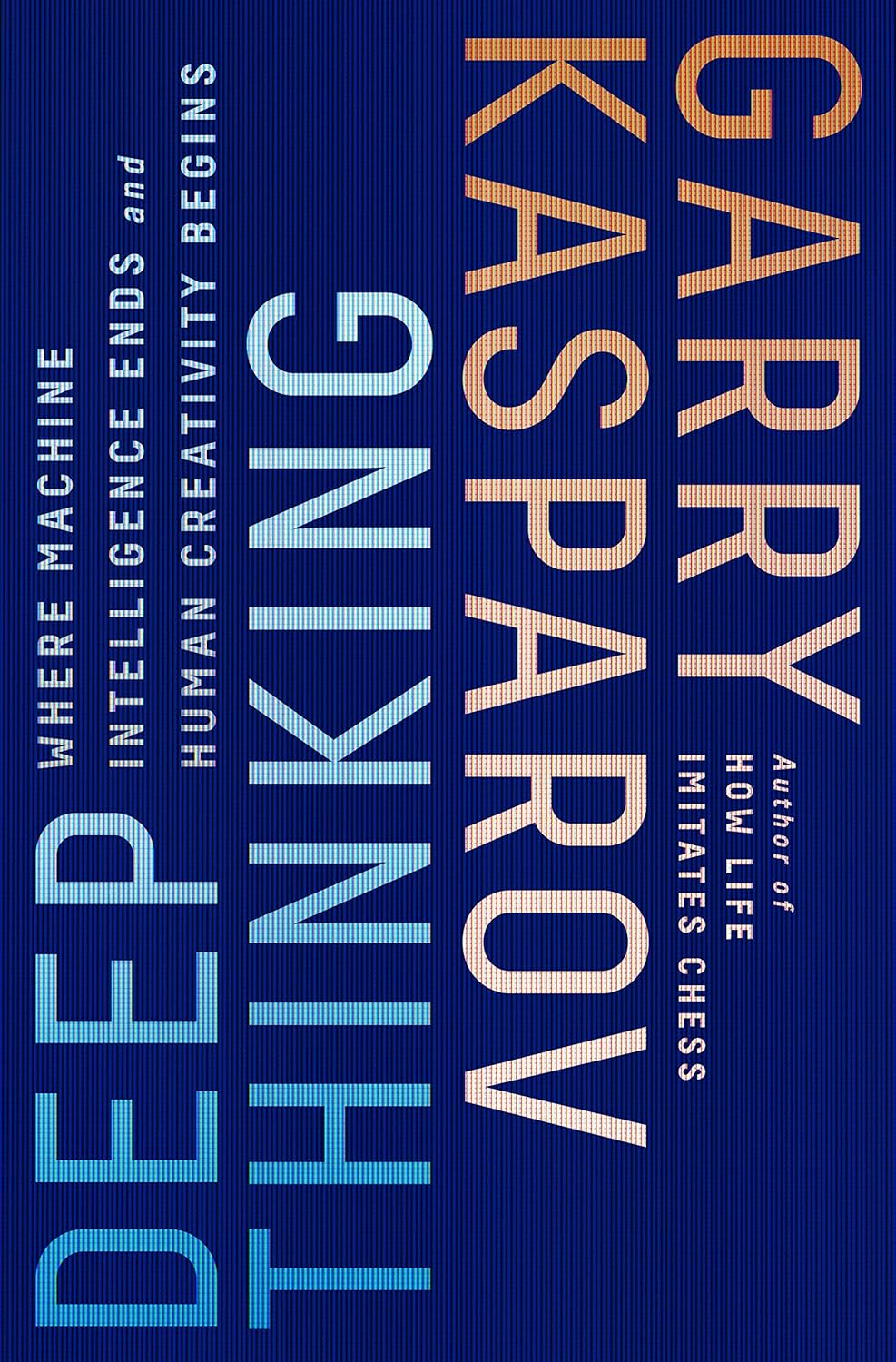
Book overview
Garry Kasparov recounts his first encounters with computer chess and frames the book around the confrontation between human intuition and machine computation. He sets up the narrative of Deep Blue as a turning point and introduces the central question of where machine intelligence ends and human creativity begins.
This page is built to be a compact learning hub for Deep Thinking: Where Machine Intelligence Ends and Human Creativity Begins. You can move from the high-level summary into takeaways, quiz prompts, chapter review, and related books without breaking the reading flow.
Best takeaways to keep
Personal framing of human vs machine through the author's experiences as a world chess champion.
Introduction of Deep Blue as emblematic of broader technological change.
Emphasis on the emotional and philosophical stakes of competing with machines.
The prologue establishes chess as a useful laboratory for exploring intelligence and strategy.
Use the chess-human machine narrative as a framework to evaluate technological advances in your own field.
The prologue positions the Deep Blue matches as both a historical event and a lens for examining modern AI and its implications for human agency. It signals that the book will mix memoir, technical explanation, and philosophical reflection.
Retrieval practice
Based on the context above, which single theme best summarizes Kasparov’s central argument in Deep Thinking?
Which chapter focuses specifically on the historic matches and technical story of Deep Blue?
According to the book’s summaries, what is a key limitation of algorithmic approaches that Kasparov highlights?
Which set of human strengths does Kasparov emphasize as remaining essential alongside machines?
Quiz preview
Based on the context above, which single theme best summarizes Kasparov’s central argument in Deep Thinking?
- Machines will replace humans in all creative and strategic tasks
- Humans and machines should be paired to combine computation with human judgment and creativity
- Pure computation (algorithms) is always superior to human intuition
Which chapter focuses specifically on the historic matches and technical story of Deep Blue?
- Chapter 1: The Long Game
- Chapter 2: From Rules to Learning
- Chapter 3: Deep Blue — The Match That Changed Everything
According to the book’s summaries, what is a key limitation of algorithmic approaches that Kasparov highlights?
- Difficulty with context, common sense, and flexible reasoning
- Inability to perform large-scale numerical calculation
- Requirement that all models be handcrafted rules
Which set of human strengths does Kasparov emphasize as remaining essential alongside machines?
- Intuition, judgment, and creativity
- Faster calculation speed and perfect memory
- Total objectivity and absence of bias
Chapter map
Prologue: Facing the Machine
Garry Kasparov recounts his first encounters with computer chess and frames the book around the confrontation between human intuition and machine computation. He sets up the narrative of Deep Blue as a turning point and introduces the central question of where machine intelligence ends and human creativity begins.
1. The Long Game — Chess, Strategy, and Computation
Kasparov explains chess as a deep strategic domain where short-term calculation and long term planning intersect, and argues that studying chess illuminates general issues about computation and decision-making. He describes how chessthinking combines pattern recognition, evaluation, and search — processes that map well onto debates about artificial intelligence.
2. From Rules to Learning — A Short History of AI
Kasparov surveys key developments in AI from rule-based expert systems to statistical learning approaches, highlighting shifts in methodology and expectations. He traces cycles of optimism and disillusionment while emphasizing how practical advances often arise from combining ideas rather than single breakthroughs.
3. Deep Blue — The Match That Changed Everything
Kasparov gives a detailed account of the development and matches of Deep Blue, culminating in the historic 1997 game that represented a symbolic shift in human–machine competition. He narrates technical details, team dynamics, and the emotional intensity surrounding the match.
4. Aftermath — Lessons from Victory and Defeat
Kasparov reflects on the aftermath of his matches with Deep Blue, exploring lessons about preparation, adaptation, and the limits of purely computational dominance. He discusses how the encounter changed his understanding of machines and informed broader conversations about collaboration and rivalry.
Next best step
Move next into the questions page if you want better retention, or into the takeaways page if you want the shortest useful review loop for this book.