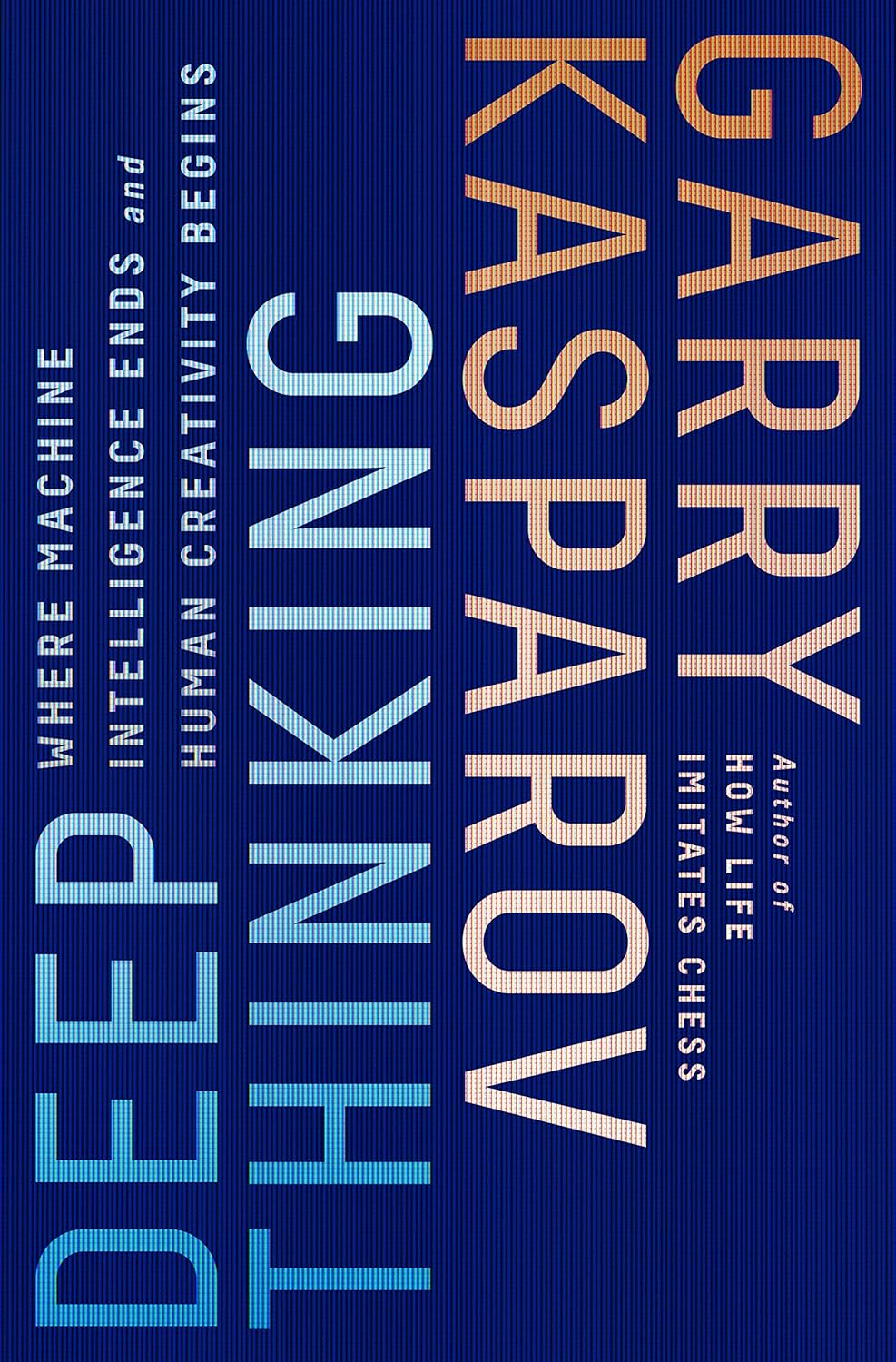
Quiz questions
Based on the context above, which single theme best summarizes Kasparov’s central argument in Deep Thinking?
- Machines will replace humans in all creative and strategic tasks
- Humans and machines should be paired to combine computation with human judgment and creativity
- Pure computation (algorithms) is always superior to human intuition
- AI progress makes policy and education irrelevant
Which chapter focuses specifically on the historic matches and technical story of Deep Blue?
- Chapter 1: The Long Game
- Chapter 2: From Rules to Learning
- Chapter 3: Deep Blue — The Match That Changed Everything
- Chapter 6: The Limits of Algorithms
According to the book’s summaries, what is a key limitation of algorithmic approaches that Kasparov highlights?
- Difficulty with context, common sense, and flexible reasoning
- Inability to perform large-scale numerical calculation
- Requirement that all models be handcrafted rules
- Complete unpredictability in deterministic tasks
Which set of human strengths does Kasparov emphasize as remaining essential alongside machines?
- Intuition, judgment, and creativity
- Faster calculation speed and perfect memory
- Total objectivity and absence of bias
- Unlimited data storage capacity
Which policy or societal recommendation is presented in the chapter summaries as important for preparing for intelligent systems?
- Rethink education to prioritize adaptability, critical thinking, and lifelong learning
- Ban all automation to protect jobs
- Rely solely on market forces with no policy intervention
- Require everyone to become expert chess players
Active recall prompts
Based on the context above, which single theme best summarizes Kasparov’s central argument in Deep Thinking?
Which chapter focuses specifically on the historic matches and technical story of Deep Blue?
According to the book’s summaries, what is a key limitation of algorithmic approaches that Kasparov highlights?
Which set of human strengths does Kasparov emphasize as remaining essential alongside machines?
What is the main idea of "Prologue: Facing the Machine", and how would you explain it without looking back?
What is the main idea of "1. The Long Game — Chess, Strategy, and Computation", and how would you explain it without looking back?
What is the main idea of "2. From Rules to Learning — A Short History of AI", and how would you explain it without looking back?
What is the main idea of "3. Deep Blue — The Match That Changed Everything", and how would you explain it without looking back?