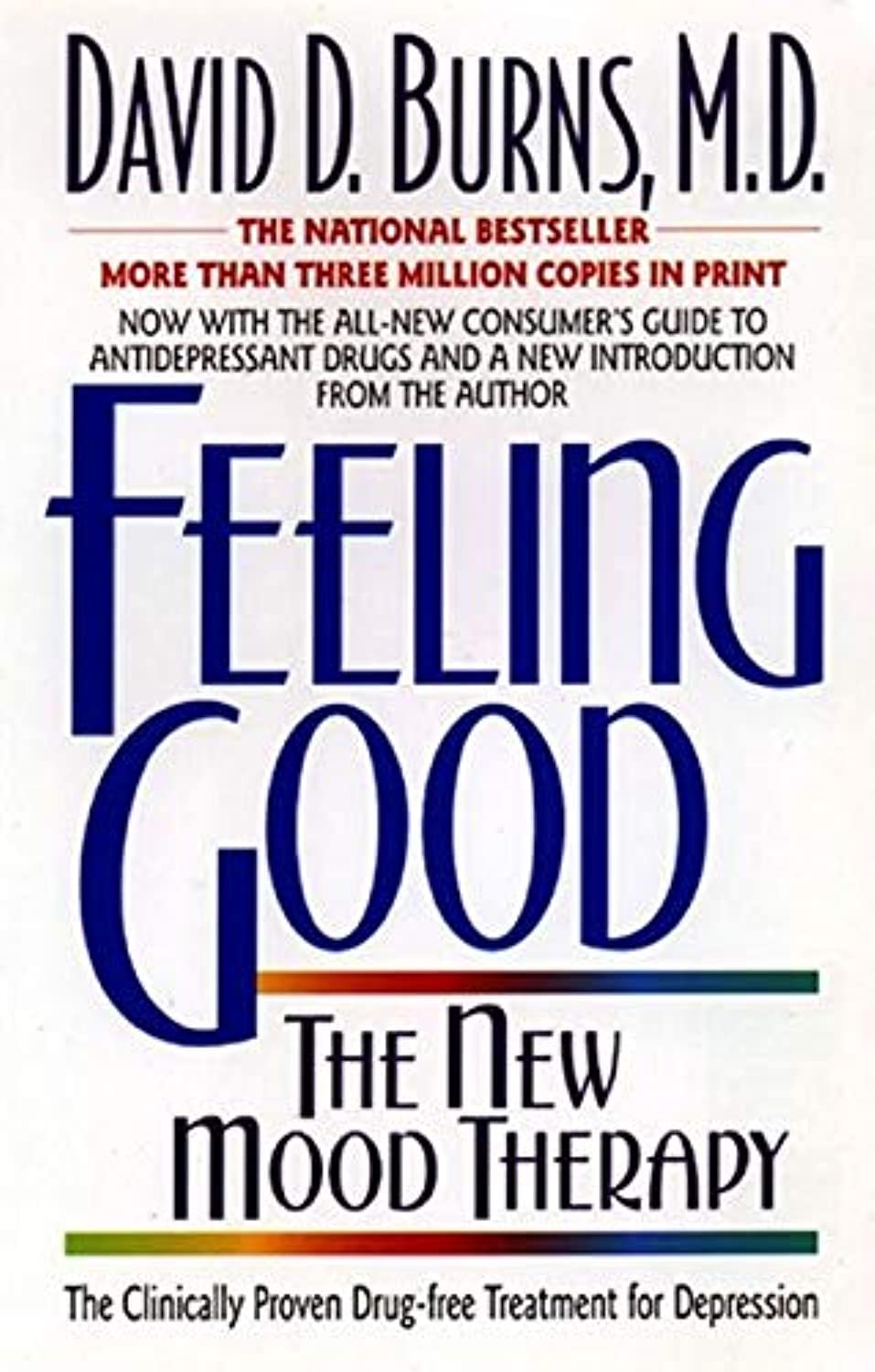
Book overview
Feeling Good introduces cognitive therapy for depression, arguing that changing distorted thinking improves mood and behavior. David D. Burns presents a self-help, evidence based approach that makes cognitive techniques accessible to readers and supports them with exercises and case examples.
This page is built to be a compact learning hub for Feeling Good: The New Mood Therapy. You can move from the high-level summary into takeaways, quiz prompts, chapter review, and related books without breaking the reading flow.
Best takeaways to keep
Cognitive therapy focuses on identifying and changing maladaptive thoughts to alter feelings and actions.
Depression is not simply a chemical imbalance; thinking patterns play a central role in creating and maintaining low mood.
The book offers practical self
help tools that patients can use independently or alongside professional therapy.
Adopt the mindset that thoughts influence mood and be willing to practice cognitive techniques regularly.
The chapter frames the book's core claim that mood can be improved by systematic cognitive work, making psychotherapy principles usable by nonprofessionals. This sets expectations for practical exercises and a skills-based approach to managing depression.
Retrieval practice
According to Feeling Good, what is the central mechanism by which mood changes occur?
Which tool does Burns introduce for systematically recording situations, feelings, automatic thoughts, evidence, and alternative thoughts?
Which of the following is NOT one of Burns’ Ten Cognitive Distortions?
Which behavioral technique does Feeling Good recommend to break the cycle of inactivity and low mood?
Quiz preview
According to Feeling Good, what is the central mechanism by which mood changes occur?
- Life events directly determine mood, independent of thinking
- Distorted/automatic thinking mediates between events and emotions
- Medication is the primary way to fix depression
Which tool does Burns introduce for systematically recording situations, feelings, automatic thoughts, evidence, and alternative thoughts?
- The Daily Mood Log
- The Automatic Distortion Chart
- The Behavioral Activation Planner
Which of the following is NOT one of Burns’ Ten Cognitive Distortions?
- Overgeneralization
- Catastrophizing
- Personalization
Which behavioral technique does Feeling Good recommend to break the cycle of inactivity and low mood?
- Activity scheduling and graded task assignment
- Increased rumination to analyze feelings
- Avoidance to reduce stress
Chapter map
Introduction: The New Mood Therapy
Feeling Good introduces cognitive therapy for depression, arguing that changing distorted thinking improves mood and behavior. David D. Burns presents a self-help, evidence based approach that makes cognitive techniques accessible to readers and supports them with exercises and case examples.
What Causes Depression?
Burns explains depression as primarily arising from distorted thinking patterns, although he acknowledges biological and situational factors. He emphasizes that habitual negative interpretations of experience—automatic thoughts and core beliefs—are central causes that can be changed.
The Cognitive Model of Mood
Burns presents the cognitive model: events lead to automatic thoughts, which produce emotional and behavioral responses, and these are shaped by deeper core beliefs. Changing the chain of thoughts can therefore change feelings and behavior.
The Ten Cognitive Distortions
Burns catalogs ten common thinking errors that distort reality and fuel negative emotions. Recognizing these distortions is a key step toward disputing automatic thoughts and developing more balanced thinking.
How to Be Your Own Therapist
This chapter teaches readers how to apply cognitive therapy techniques independently, emphasizing self-observation, systematic practice, and homework. Burns outlines a structured, step by-step process for monitoring thoughts, testing beliefs, and practicing alternative responses.
Next best step
Move next into the questions page if you want better retention, or into the takeaways page if you want the shortest useful review loop for this book.