Takeaways people can pass on
These cards are tuned for social discoverability: one clean idea, one strong visual treatment, and one tap to share on mobile.
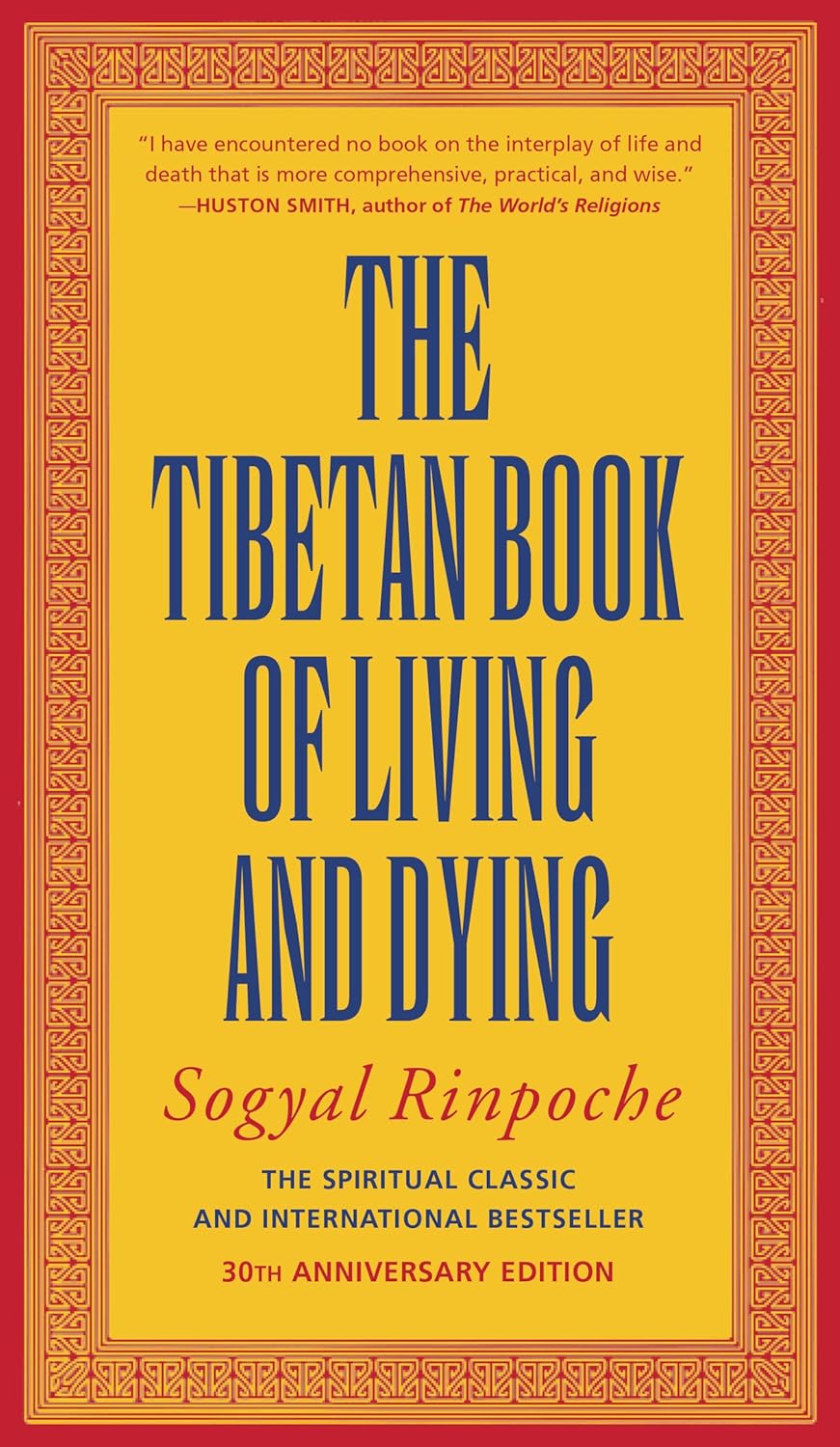
The Tibetan Book of Living and Dying
by Sogyal Rinpoche
Death is a universal and inevitable part of life that merits conscious attention.
Turn the useful part of the book into something worth passing on.
Death is a universal and inevitable part of life that merits conscious attention.
Share with the ReadSprint source so others can read the context.
The Tibetan Book of Living and Dying
by Sogyal Rinpoche
Awareness of death can motivate ethical living and spiritual practice.
Turn the useful part of the book into something worth passing on.
Awareness of death can motivate ethical living and spiritual practice.
Share with the ReadSprint source so others can read the context.
The Tibetan Book of Living and Dying
by Sogyal Rinpoche
Practical guidance and contemplative methods can ease fear and isolation around dying.
Turn the useful part of the book into something worth passing on.
Practical guidance and contemplative methods can ease fear and isolation around dying.
Share with the ReadSprint source so others can read the context.
The Tibetan Book of Living and Dying
by Sogyal Rinpoche
Preparing for death benefits both the dying and those who love them.
Turn the useful part of the book into something worth passing on.
Preparing for death benefits both the dying and those who love them.
Share with the ReadSprint source so others can read the context.
The Tibetan Book of Living and Dying
by Sogyal Rinpoche
Begin by reflecting briefly each day on impermanence to orient priorities and reduce habitual avoidance.
Turn the useful part of the book into something worth passing on.
Begin by reflecting briefly each day on impermanence to orient priorities and reduce habitual avoidance.
Share with the ReadSprint source so others can read the context.
The Tibetan Book of Living and Dying
by Sogyal Rinpoche
The chapter connects mortality to everyday priorities, arguing that facing death deepens meaning and improves relationships. It positions death-awareness as relevant to modern readers seeking psychological and spiritual resilience.
Turn the useful part of the book into something worth passing on.
The chapter connects mortality to everyday priorities, arguing that facing death deepens meaning and improves relationships. It positions death-awareness as relevant to modern readers seeking psychological and spiritual resilience.
Share with the ReadSprint source so others can read the context.
The Tibetan Book of Living and Dying
by Sogyal Rinpoche
This introduction establishes why understanding death is vital to living a meaningful life and presents dying as a teacher rather than a failure. It frames death awareness as a practical, spiritual discipline that can transform fear and at…
Turn the useful part of the book into something worth passing on.
This introduction establishes why understanding death is vital to living a meaningful life and presents dying as a teacher rather than a failure. It frames death awareness as a practical, spiritual discipline that can transform fear and attachment into clarity and compassion. It also outlines the book’s purpose: to provide guidance for dying, death, and bereavement.
Share with the ReadSprint source so others can read the context.
The Tibetan Book of Living and Dying
by Sogyal Rinpoche
Mind, not the body, is central to the experience of dying and post
Turn the useful part of the book into something worth passing on.
Mind, not the body, is central to the experience of dying and post
Share with the ReadSprint source so others can read the context.
The Tibetan Book of Living and Dying
by Sogyal Rinpoche
death states.
Turn the useful part of the book into something worth passing on.
death states.
Share with the ReadSprint source so others can read the context.
The Tibetan Book of Living and Dying
by Sogyal Rinpoche
Training to recognize the nature of mind helps one meet death with clarity and peace.
Turn the useful part of the book into something worth passing on.
Training to recognize the nature of mind helps one meet death with clarity and peace.
Share with the ReadSprint source so others can read the context.
The Tibetan Book of Living and Dying
by Sogyal Rinpoche
Practices and teachings aim to reveal mind’s luminous and empty aspects.
Turn the useful part of the book into something worth passing on.
Practices and teachings aim to reveal mind’s luminous and empty aspects.
Share with the ReadSprint source so others can read the context.
The Tibetan Book of Living and Dying
by Sogyal Rinpoche
Understanding mind reduces attachment and cultivates detachment without indifference.
Turn the useful part of the book into something worth passing on.
Understanding mind reduces attachment and cultivates detachment without indifference.
Share with the ReadSprint source so others can read the context.