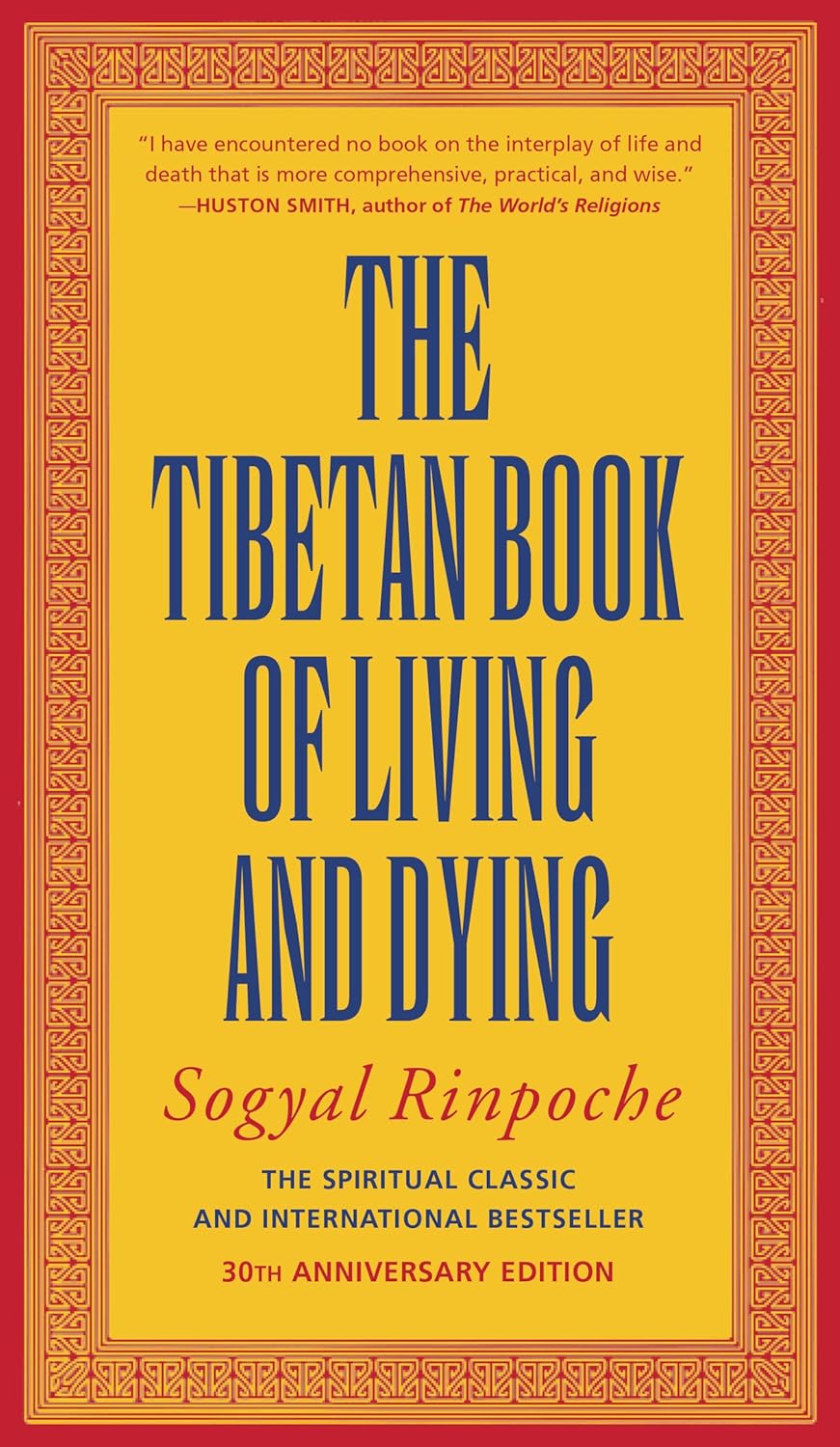
Book overview
This introduction establishes why understanding death is vital to living a meaningful life and presents dying as a teacher rather than a failure. It frames death awareness as a practical, spiritual discipline that can transform fear and attachment into clarity and compassion. It also outlines the book’s purpose: to provide guidance for dying, death, and bereavement.
This page is built to be a compact learning hub for The Tibetan Book of Living and Dying. You can move from the high-level summary into takeaways, quiz prompts, chapter review, and related books without breaking the reading flow.
Best takeaways to keep
Death is a universal and inevitable part of life that merits conscious attention.
Awareness of death can motivate ethical living and spiritual practice.
Practical guidance and contemplative methods can ease fear and isolation around dying.
Preparing for death benefits both the dying and those who love them.
Begin by reflecting briefly each day on impermanence to orient priorities and reduce habitual avoidance.
The chapter connects mortality to everyday priorities, arguing that facing death deepens meaning and improves relationships. It positions death-awareness as relevant to modern readers seeking psychological and spiritual resilience.
Retrieval practice
According to The Tibetan Book of Living and Dying, what is the central teaching about mind and death?
What practical understanding about impermanence does the book emphasize as a way to reduce suffering?
The book describes two inseparable qualities of mind that, when realized, dissolve the fear of annihilation. What are they?
What is the Tibetan concept of the bardo as explained in the book?
Quiz preview
According to The Tibetan Book of Living and Dying, what is the central teaching about mind and death?
- The physical body alone determines the outcome of dying.
- Mind and consciousness are primary and can be recognized and trained to approach death fearlessly.
- Death is purely a biological end with no continuation of awareness.
What practical understanding about impermanence does the book emphasize as a way to reduce suffering?
- Believing in a permanent, unchanging self is essential for stability.
- Recognizing the reality of change and reflecting on transience to loosen attachment.
- Avoiding any thought of death so one can focus on life.
The book describes two inseparable qualities of mind that, when realized, dissolve the fear of annihilation. What are they?
- Emptiness (lack of inherent identity) and clarity (luminosity/awareness).
- Permanence and solidity.
- Desire and aversion.
What is the Tibetan concept of the bardo as explained in the book?
- A physical illness that must be cured before death.
- A metaphor for meditation practice only, unrelated to death.
- The intermediate states between death and rebirth that offer opportunities for liberation if recognized and navigated.
Chapter map
Introduction: The Relevance of Dying
This introduction establishes why understanding death is vital to living a meaningful life and presents dying as a teacher rather than a failure. It frames death awareness as a practical, spiritual discipline that can transform fear and attachment into clarity and compassion. It also outlines the book’s purpose: to provide guidance for dying, death, and bereavement.
1. The Great Secret: An Introduction to Mind and Death
This chapter introduces the central teaching that mind and consciousness are primary in the process of dying and beyond. It presents the idea that recognizing the nature of mind is the key to a fearless approach to death and the bardo (intermediate state).
2. The Illusion of Permanence and the Reality of Change
This chapter focuses on impermanence, explaining how clinging to permanence causes suffering and how recognizing change can free us. It emphasizes practical reflections and meditations to internalize transience and to loosen attachments to identity, relationships, and possessions.
3. The True Nature of Mind: Emptiness and Clarity
This chapter describes mind’s two inseparable qualities: emptiness (lack of inherent, fixed identity) and clarity (awareness, luminosity). It explains how realizing these qualities dissolves fear of annihilation and reveals a compassionate ground for life and death.
4. Training the Mind: Meditation and Awareness in Daily Life
This chapter offers practical instruction on cultivating mindfulness and meditation as daily habits that prepare one for dying and living well. It covers formal sitting practice and informal awareness techniques for integrating presence into ordinary activities.
Next best step
Move next into the questions page if you want better retention, or into the takeaways page if you want the shortest useful review loop for this book.