Book overview
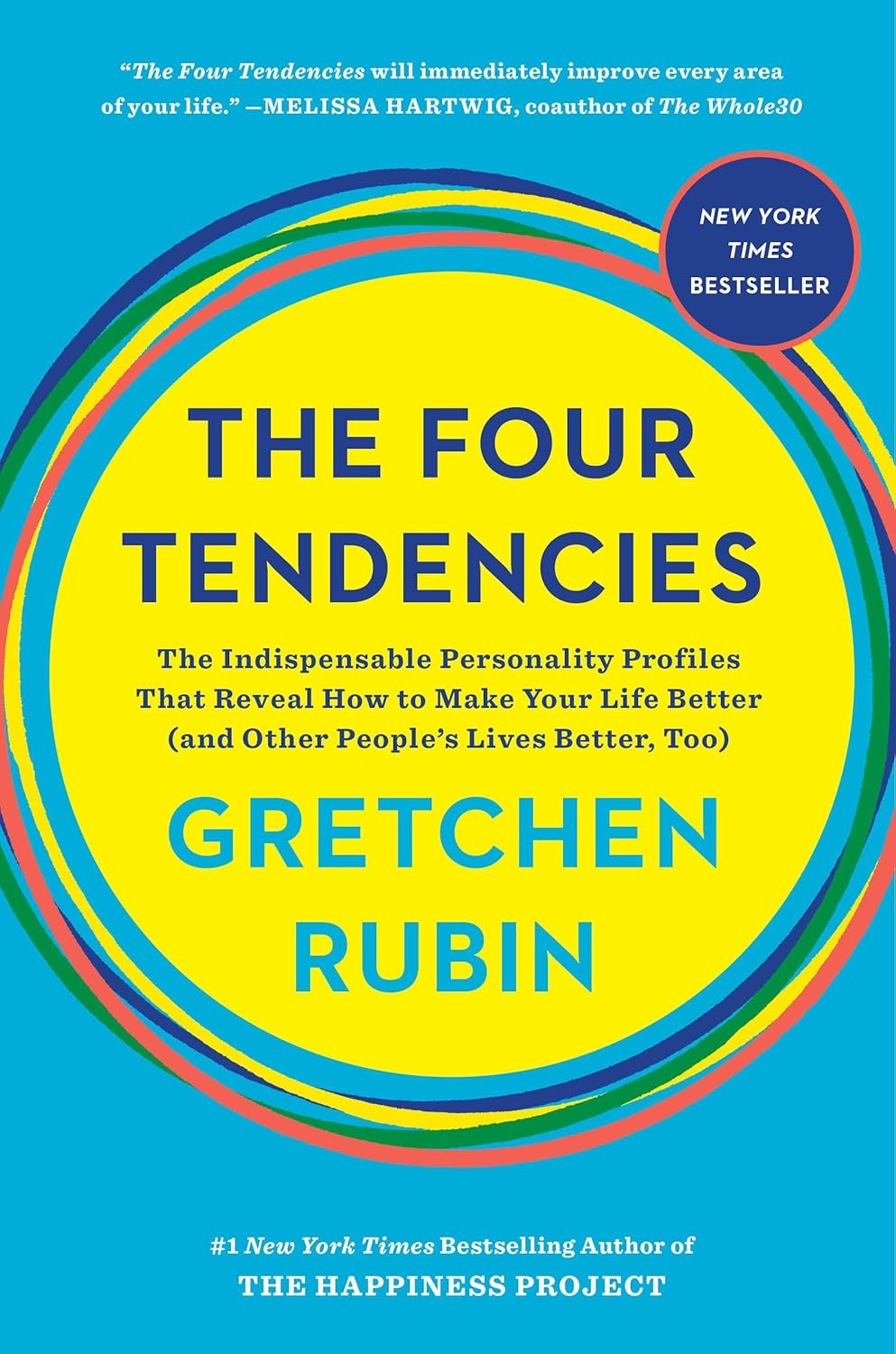
The Four Tendencies framework explains how people respond to inner and outer expectations, organizing behavior into four profiles that predict motivation and habits. Understanding these tendencies helps improve communication, productivity, relationships, and self-understanding.
This page is built to be a compact learning hub for The Four Tendencies. You can move from the high-level summary into takeaways, quiz prompts, chapter review, and related books without breaking the reading flow.
Best takeaways to keep
The framework divides people into Upholders, Questioners, Obligers, and Rebels based on responses to expectations.
Tendencies predict how people form habits and respond to rules, requests, and deadlines.
Knowing tendencies helps tailor strategies for motivation, scheduling, and accountability.
The framework is descriptive and pragmatic rather than moralizing.
Use the Four Tendencies as a simple diagnostic to tailor requests and routines to someone’s motivational profile.
Recognizing differing motivational dynamics reveals why the same approach works for some people and fails for others, making it useful in homes, workplaces, and personal planning. The concept reframes common conflicts as mismatches of expectation response rather than willful flaws.
Retrieval practice
According to The Four Tendencies, what primarily distinguishes the four profiles?
Which tendency is described as meeting both outer and inner expectations readily, valuing rules and plans?
Which tendency turns outer expectations into inner ones by requiring reasons and justifications?
Which tendency tends to meet outer expectations but struggles with meeting inner expectations, and benefits most from external accountability?
Quiz preview
According to The Four Tendencies, what primarily distinguishes the four profiles?
- How people respond to inner and outer expectations
- Their level of intelligence and skill
- Their social background and upbringing
Which tendency is described as meeting both outer and inner expectations readily, valuing rules and plans?
- Questioner
- Obliger
- Upholder
Which tendency turns outer expectations into inner ones by requiring reasons and justifications?
- Rebel
- Upholder
- Obliger
Which tendency tends to meet outer expectations but struggles with meeting inner expectations, and benefits most from external accountability?
- Obliger
- Questioner
- Upholder
Chapter map
Introduction: Why the Four Tendencies Matter
The Four Tendencies framework explains how people respond to inner and outer expectations, organizing behavior into four profiles that predict motivation and habits. Understanding these tendencies helps improve communication, productivity, relationships, and self-understanding.
How to Identify Your Tendency
This chapter presents questions and scenarios to help readers identify which of the Four Tendencies they are, emphasizing patterns in responding to outer versus inner expectations. It offers practical examples, quizzes, and reflections to distinguish similar tendencies.
The Upholder: Responding to Outer and Inner Expectations
Upholders meet both outer and inner expectations readily, valuing rules, plans, and personal standards. The chapter explores strengths (reliability, discipline) and pitfalls (rigidity, overcommitment), and suggests how upholders can balance flexibility and self-care.
The Questioner: Needing Reasons and Justifications
Questioners meet expectations only if they make sense to them; they turn outer expectations into inner ones by demanding justification. The chapter details how their need for reason leads to efficiency and skepticism, but can also cause analysis paralysis and strained relationships.
The Obliger: Meeting Outer Expectations
Obligers readily meet outer expectations but struggle to meet inner expectations, thriving with external accountability yet often neglecting their own priorities. The chapter examines how obligers can harness accountability and protect against resentment and burnout.
Next best step
Move next into the questions page if you want better retention, or into the takeaways page if you want the shortest useful review loop for this book.