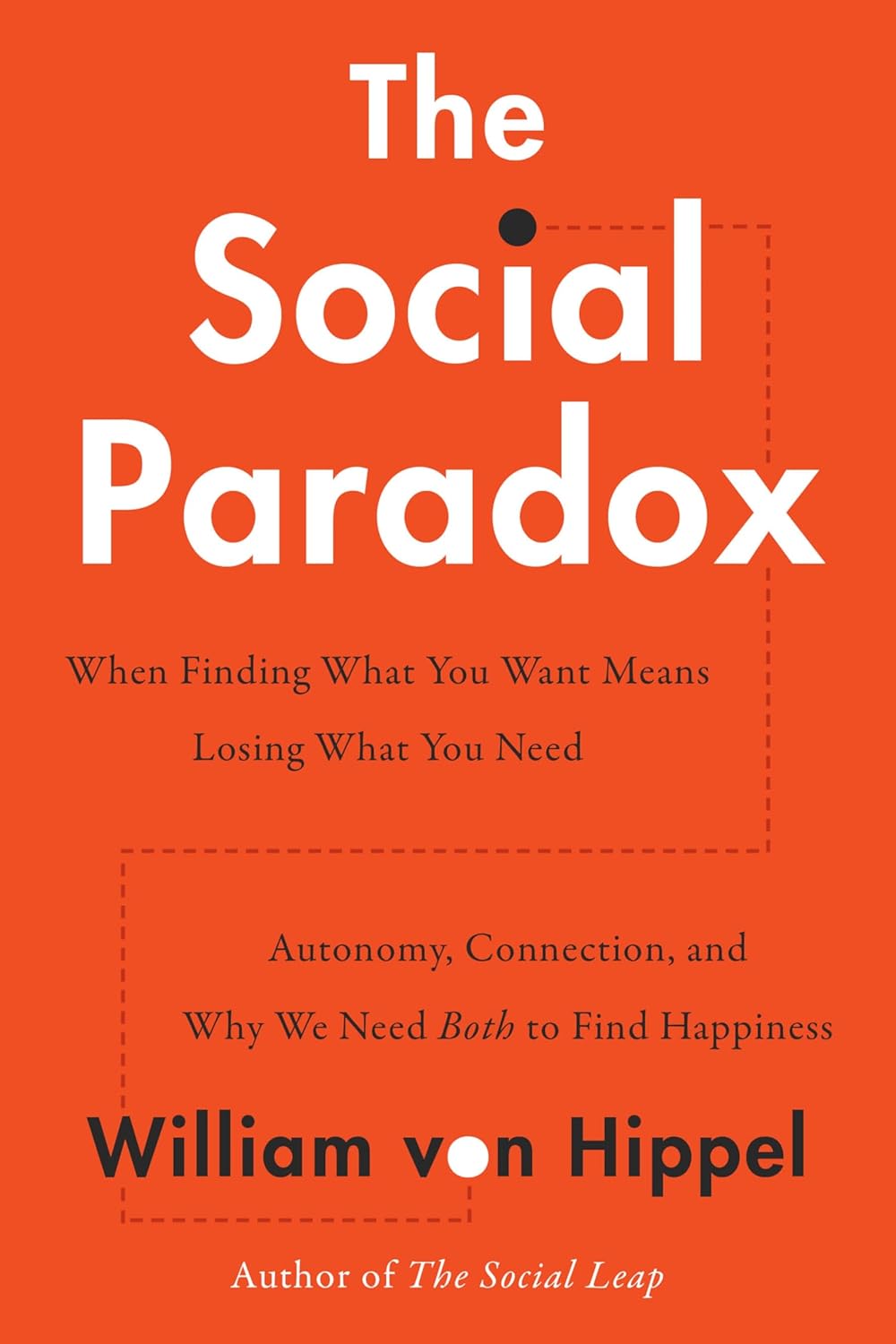
ReadSprintBooksThe Social ParadoxThe Social Paradox Key Concepts and Core Ideas
The Social Paradox
The Social Paradox Key Concepts and Core Ideas

The Social Paradox Key Concepts and Core Ideas

by William von Hippel

Understand the core concepts in The Social Paradox by William von Hippel, with explanations, recall prompts, related books, and connected learning paths.

This page isolates the core concepts carrying The Social Paradox. Use it when you want to understand the book’s mental models, not just skim the chapter sequence.

Built for retention

ReadSprint combines concise summaries, quizzes, active recall, and related reading paths so the useful part of the book is easier to keep.

Open full summary

10

Chapter summaries

5

Quiz questions

12

Key takeaways

6

Related books

Concept map

These are the ideas doing most of the work inside The Social Paradox. Study them as reusable mental models, then jump back into chapters or questions when you want more context.

Concept 1

Introduction to the Paradox

The introduction sets the stage for understanding the social paradox, where the pursuit of personal desires often conflicts with the need for social connection. It explores the balance between autonomy and community.

Why it matters: The chapter introduces the central theme of balancing personal desires with social needs, setting the foundation for the book's exploration of happiness.

Supporting points

  • Definition of the social paradox
  • Importance of autonomy and connection
  • Historical context of social needs
Active recall prompt

How does introduction to the paradox change the way you would explain or apply The Social Paradox?

Related chapter

Introduction to the Paradox

Concept 2

The Evolution of Social Needs

This chapter delves into the evolutionary background of human social needs, explaining how our ancestors' survival depended on both autonomy and cooperation. It highlights the biological and psychological aspects of social behavior.

Why it matters: Understanding the evolutionary roots of social needs helps contextualize modern social behaviors and the paradox of autonomy versus connection.

Supporting points

  • Evolutionary perspective on social behavior
  • Biological basis of social needs
  • Psychological implications of social connections
Active recall prompt

How does the evolution of social needs change the way you would explain or apply The Social Paradox?

Related chapter

The Evolution of Social Needs

Concept 3

Autonomy: The Desire for Independence

This chapter explores the human desire for autonomy, examining how independence contributes to personal growth and fulfillment. It discusses the benefits and challenges of pursuing autonomy in a connected world.

Why it matters: The chapter emphasizes the importance of autonomy in personal development while acknowledging the challenges it poses to social harmony.

Supporting points

  • Definition and importance of autonomy
  • Benefits of independence
  • Challenges of balancing autonomy with social needs
Active recall prompt

How does autonomy: the desire for independence change the way you would explain or apply The Social Paradox?

Related chapter

Autonomy: The Desire for Independence

Concept 4

Connection: The Need for Belonging

Focusing on the need for social connection, this chapter examines how belonging and community contribute to happiness and well-being. It discusses the psychological and emotional benefits of strong social ties.

Why it matters: The chapter highlights the essential role of social connections in achieving happiness, contrasting with the desire for autonomy.

Supporting points

  • Importance of social connections
  • Psychological benefits of belonging
  • Emotional impact of community
Active recall prompt

How does connection: the need for belonging change the way you would explain or apply The Social Paradox?

Related chapter

Connection: The Need for Belonging

Concept 5

The Paradox in Modern Society

This chapter analyzes how modern society exacerbates the social paradox, with technology and cultural shifts influencing our autonomy and connection. It explores the impact of social media and urbanization.

Why it matters: The chapter examines how contemporary factors intensify the struggle between autonomy and connection, offering insights into modern social dynamics.

Supporting points

  • Influence of technology on social behavior
  • Cultural shifts affecting autonomy and connection
  • Impact of social media and urbanization
Active recall prompt

How does the paradox in modern society change the way you would explain or apply The Social Paradox?

Related chapter

The Paradox in Modern Society

Concept 6

Balancing Autonomy and Connection

This chapter provides strategies for balancing autonomy and connection, offering practical advice for achieving harmony between personal desires and social needs. It includes case studies and real-life examples.

Why it matters: The chapter offers actionable insights into achieving a balanced life, addressing the core paradox of the book.

Supporting points

  • Strategies for balancing autonomy and connection
  • Case studies and examples
  • Practical advice for harmony
Active recall prompt

How does balancing autonomy and connection change the way you would explain or apply The Social Paradox?

Related chapter

Balancing Autonomy and Connection

Concept 7

The Role of Empathy

Empathy is explored as a crucial element in resolving the social paradox. The chapter discusses how understanding others' perspectives can enhance both autonomy and connection.

Why it matters: Empathy is presented as a tool for bridging the gap between autonomy and connection, fostering better social relationships.

Supporting points

  • Definition and importance of empathy
  • Empathy's role in social interactions
  • Enhancing autonomy and connection through empathy
Active recall prompt

How does the role of empathy change the way you would explain or apply The Social Paradox?

Related chapter

The Role of Empathy

Concept 8

Cultural Perspectives on the Paradox

This chapter examines how different cultures approach the social paradox, comparing Western and Eastern perspectives on autonomy and connection. It highlights cultural influences on social behavior.

Why it matters: Understanding cultural differences enriches the discussion of the social paradox, offering a broader view of autonomy and connection.

Supporting points

  • Comparison of Western and Eastern perspectives
  • Cultural influences on autonomy and connection
  • Global variations in social behavior
Active recall prompt

How does cultural perspectives on the paradox change the way you would explain or apply The Social Paradox?

Related chapter

Cultural Perspectives on the Paradox

Quiz checkpoints

Question 1

What is the central theme of 'The Social Paradox'?

Question 2

Which chapter discusses the evolutionary background of social needs?

Question 3

What is a key strategy for balancing autonomy and connection?

Practice retrieval

Key concepts

Introduction to the Paradox

The chapter introduces the central theme of balancing personal desires with social needs, setting the foundation for the book's exploration of happiness.

The Evolution of Social Needs

Understanding the evolutionary roots of social needs helps contextualize modern social behaviors and the paradox of autonomy versus connection.

Autonomy: The Desire for Independence

The chapter emphasizes the importance of autonomy in personal development while acknowledging the challenges it poses to social harmony.

Open concept map
Turn Reading Into Recall

Keep The Social Paradox review-ready instead of letting it fade.

This page is strongest when it becomes part of a review habit: save the summary, revisit the key takeaways, and use recall prompts before the next meeting, study block, or decision.

Save one strong takeaway instead of over-highlighting.
Use the questions page to test what actually stuck.
Return when the book becomes relevant again, not just when motivation is high.
See pricing
Get Book Review Notes

Get practical notes on remembering and reusing ideas from nonfiction books without building an overly heavy note system.

Retention workflow

Turn this page into a repeatable study loop

Move from summary to takeaways, test yourself with questions, revisit the concept map, and then continue into related books. That keeps The Social Paradoxconnected instead of turning into a one-time skim.

Frequently asked questions

What are the key concepts in The Social Paradox?

The key concepts here are distilled from the chapter summaries, major themes, and action-oriented takeaways so you can quickly see the ideas carrying the whole book.

How should I study these The Social Paradox concepts?

Start by explaining each concept from memory, connect it to a chapter or example, and then test yourself with one active recall prompt before moving on.

How are the concepts connected to other books?

Use the related books and topic links on this page to find books that reinforce, challenge, or extend the same ideas from a different angle.