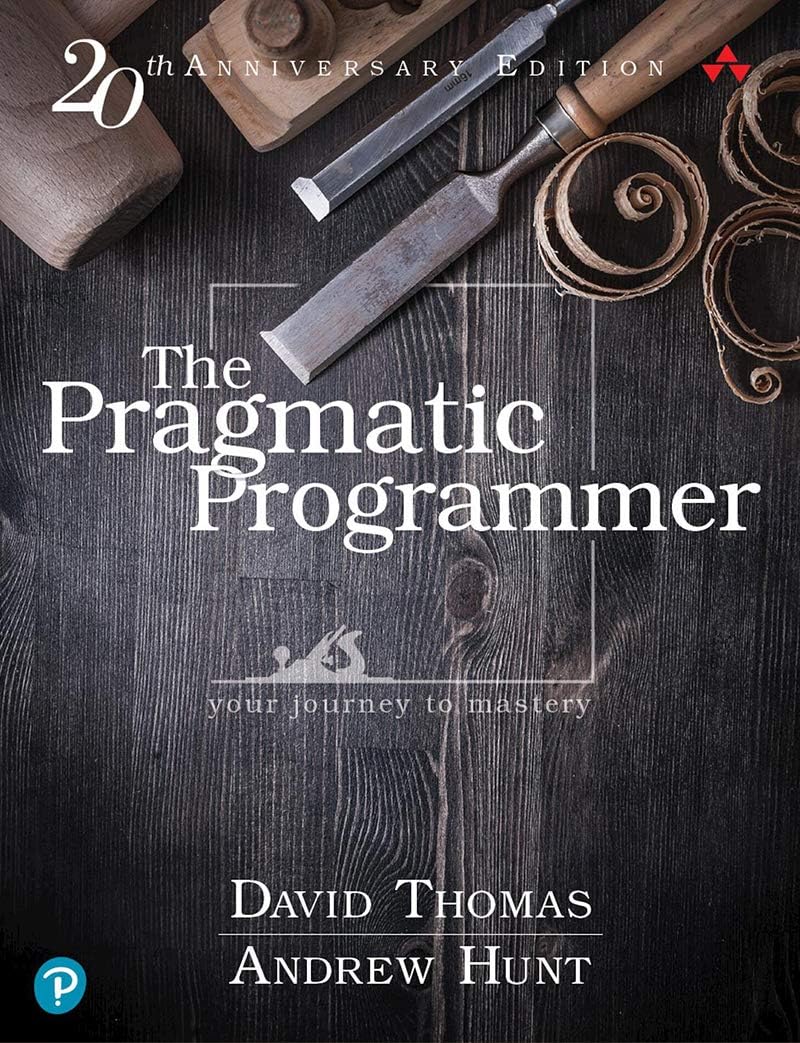
The Pragmatic Programmer: ReadSprint summary highlights
ReadSprint paraphrases for review. These highlights are not verbatim quotations from the book or its author. Check the original edition for exact wording and context.
The Pragmatic Programmer
by David Thomas and Andrew Hunt
This chapter introduces the core philosophy of being a pragmatic programmer, emphasizing adaptability and continuous learning.
ReadSprint paraphrase · Not a quotation from the author.
This chapter introduces the core philosophy of being a pragmatic programmer, emphasizing adaptability and continuous learning.
Embrace change and adapt to new situations
Share with the ReadSprint source so others can read the context.
The Pragmatic Programmer
by David Thomas and Andrew Hunt
This chapter discusses practical techniques for effective software development, including problem-solving and decision making strategies.
ReadSprint paraphrase · Not a quotation from the author.
This chapter discusses practical techniques for effective software development, including problem-solving and decision making strategies.
Continuously learn and improve your skills
Share with the ReadSprint source so others can read the context.
The Pragmatic Programmer
by David Thomas and Andrew Hunt
This chapter covers essential tools and techniques that every programmer should master, such as version control and debugging.
ReadSprint paraphrase · Not a quotation from the author.
This chapter covers essential tools and techniques that every programmer should master, such as version control and debugging.
Take responsibility for your work
Share with the ReadSprint source so others can read the context.
The Pragmatic Programmer
by David Thomas and Andrew Hunt
This chapter explores the concept of 'pragmatic paranoia,' encouraging programmers to anticipate and mitigate potential risks.
ReadSprint paraphrase · Not a quotation from the author.
This chapter explores the concept of 'pragmatic paranoia,' encouraging programmers to anticipate and mitigate potential risks.
Think critically and question assumptions
Share with the ReadSprint source so others can read the context.
The Pragmatic Programmer
by David Thomas and Andrew Hunt
This chapter discusses the importance of flexibility in software design, encouraging programmers to create adaptable and resilient systems.
ReadSprint paraphrase · Not a quotation from the author.
This chapter discusses the importance of flexibility in software design, encouraging programmers to create adaptable and resilient systems.
Adopt a mindset of continuous improvement and adaptability in your programming career.
Share with the ReadSprint source so others can read the context.
The Pragmatic Programmer
by David Thomas and Andrew Hunt
This chapter provides insights into best practices while coding, including writing clean code and maintaining focus.
ReadSprint paraphrase · Not a quotation from the author.
This chapter provides insights into best practices while coding, including writing clean code and maintaining focus.
The chapter sets the stage for the entire book, highlighting the importance of a flexible mindset in software development.
Share with the ReadSprint source so others can read the context.
Use these highlights to review the book
Which highlight from The Pragmatic Programmer changes how you would explain the book to someone else?
Which lesson here is worth testing in a real decision this week?
Which highlight feels memorable but less actionable once you slow down and examine it?