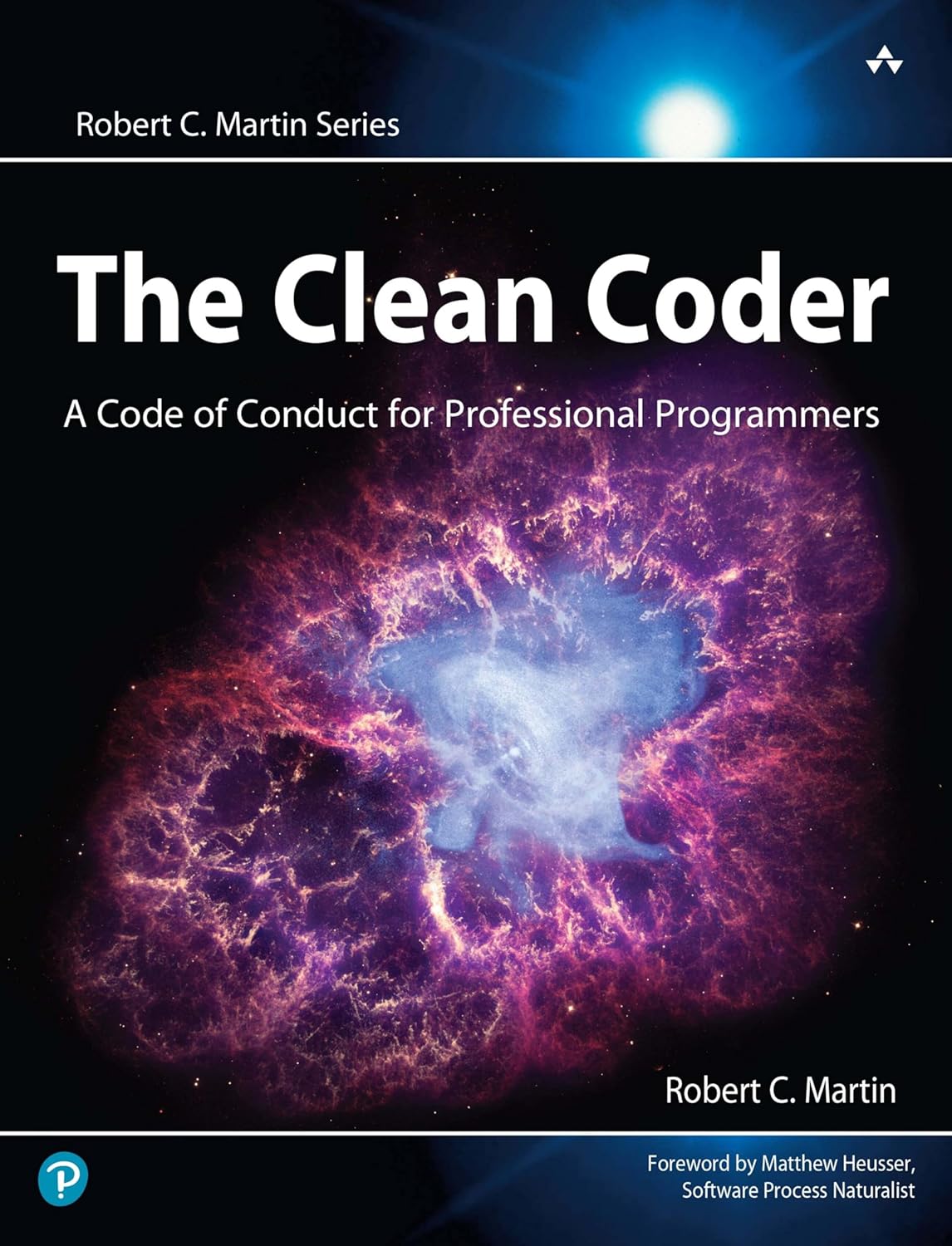
Book overview
This chapter introduces the concept of professionalism in software development, emphasizing the importance of taking responsibility for one's work and actions.
This page is built to be a compact learning hub for The Clean Coder: A Code of Conduct for Professional Programmers. You can move from the high-level summary into takeaways, quiz prompts, chapter review, and related books without breaking the reading flow.
Best takeaways to keep
Understanding the role of a professional
Importance of accountability
Balancing quality and deadlines
Always take ownership of your work and strive for excellence.
The chapter sets the stage for the book by defining what it means to be a professional in the software industry, highlighting the need for integrity and responsibility.
This chapter introduces the concept of professionalism in software development, emphasizing the importance of taking responsibility for one's work and actions.
Retrieval practice
What is the main focus of the book 'The Clean Coder'?
Why is saying 'no' important according to the book?
What is emphasized in the chapter on 'Time Management'?
What is a key takeaway from the 'Testing' chapter?
Quiz preview
What is the main focus of the book 'The Clean Coder'?
- Coding techniques
- Professionalism in software development
- Software testing
Why is saying 'no' important according to the book?
- To avoid work
- To maintain professional boundaries
- To show authority
What is emphasized in the chapter on 'Time Management'?
- Working longer hours
- Prioritizing tasks
- Avoiding meetings
What is a key takeaway from the 'Testing' chapter?
- Testing is optional
- Automated testing is crucial
- Manual testing is better
Chapter map
Professionalism
This chapter introduces the concept of professionalism in software development, emphasizing the importance of taking responsibility for one's work and actions.
Saying No
This chapter discusses the importance of knowing when and how to say no to unreasonable demands or requests in a professional setting.
Time Management
Time management is crucial for professionals, and this chapter provides strategies for effectively managing time and prioritizing tasks.
Estimation
This chapter covers the art of estimation, teaching professionals how to provide accurate and realistic estimates for their work.
Coding
The chapter delves into the core activity of coding, emphasizing the importance of writing clean, maintainable code.
Next best step
Move next into the questions page if you want better retention, or into the takeaways page if you want the shortest useful review loop for this book.