Takeaways people can pass on
These cards are tuned for social discoverability: one clean idea, one strong visual treatment, and one tap to share on mobile.
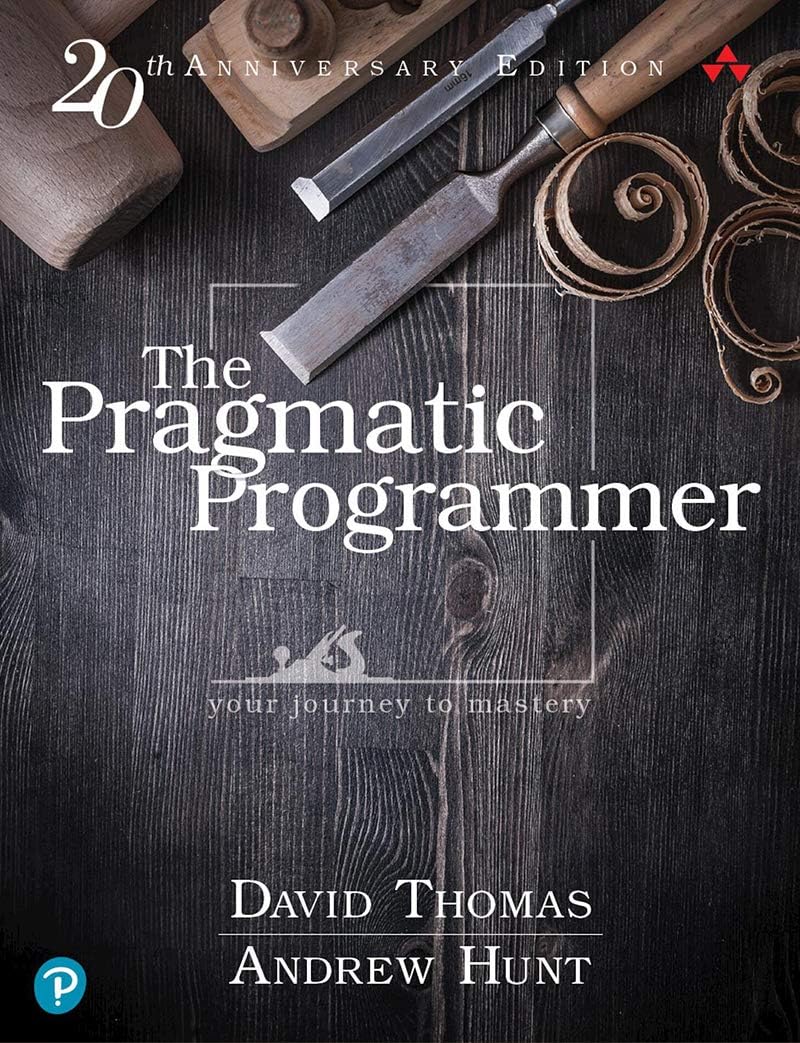
The Pragmatic Programmer
by David Thomas and Andrew Hunt
Embrace change and adapt to new situations
Turn the useful part of the book into something worth passing on.
Embrace change and adapt to new situations
Share with the ReadSprint source so others can read the context.
The Pragmatic Programmer
by David Thomas and Andrew Hunt
Continuously learn and improve your skills
Turn the useful part of the book into something worth passing on.
Continuously learn and improve your skills
Share with the ReadSprint source so others can read the context.
The Pragmatic Programmer
by David Thomas and Andrew Hunt
Take responsibility for your work
Turn the useful part of the book into something worth passing on.
Take responsibility for your work
Share with the ReadSprint source so others can read the context.
The Pragmatic Programmer
by David Thomas and Andrew Hunt
Think critically and question assumptions
Turn the useful part of the book into something worth passing on.
Think critically and question assumptions
Share with the ReadSprint source so others can read the context.
The Pragmatic Programmer
by David Thomas and Andrew Hunt
Adopt a mindset of continuous improvement and adaptability in your programming career.
Turn the useful part of the book into something worth passing on.
Adopt a mindset of continuous improvement and adaptability in your programming career.
Share with the ReadSprint source so others can read the context.
The Pragmatic Programmer
by David Thomas and Andrew Hunt
The chapter sets the stage for the entire book, highlighting the importance of a flexible mindset in software development.
Turn the useful part of the book into something worth passing on.
The chapter sets the stage for the entire book, highlighting the importance of a flexible mindset in software development.
Share with the ReadSprint source so others can read the context.
The Pragmatic Programmer
by David Thomas and Andrew Hunt
This chapter introduces the core philosophy of being a pragmatic programmer, emphasizing adaptability and continuous learning.
Turn the useful part of the book into something worth passing on.
This chapter introduces the core philosophy of being a pragmatic programmer, emphasizing adaptability and continuous learning.
Share with the ReadSprint source so others can read the context.
The Pragmatic Programmer
by David Thomas and Andrew Hunt
Break down complex problems into manageable parts
Turn the useful part of the book into something worth passing on.
Break down complex problems into manageable parts
Share with the ReadSprint source so others can read the context.
The Pragmatic Programmer
by David Thomas and Andrew Hunt
Use iterative development to refine solutions
Turn the useful part of the book into something worth passing on.
Use iterative development to refine solutions
Share with the ReadSprint source so others can read the context.
The Pragmatic Programmer
by David Thomas and Andrew Hunt
Make informed decisions based on data
Turn the useful part of the book into something worth passing on.
Make informed decisions based on data
Share with the ReadSprint source so others can read the context.
The Pragmatic Programmer
by David Thomas and Andrew Hunt
Prioritize tasks effectively
Turn the useful part of the book into something worth passing on.
Prioritize tasks effectively
Share with the ReadSprint source so others can read the context.
The Pragmatic Programmer
by David Thomas and Andrew Hunt
Apply iterative development and data-driven decision making to enhance your software projects.
Turn the useful part of the book into something worth passing on.
Apply iterative development and data-driven decision making to enhance your software projects.
Share with the ReadSprint source so others can read the context.