Takeaways people can pass on
These cards are tuned for social discoverability: one clean idea, one strong visual treatment, and one tap to share on mobile.
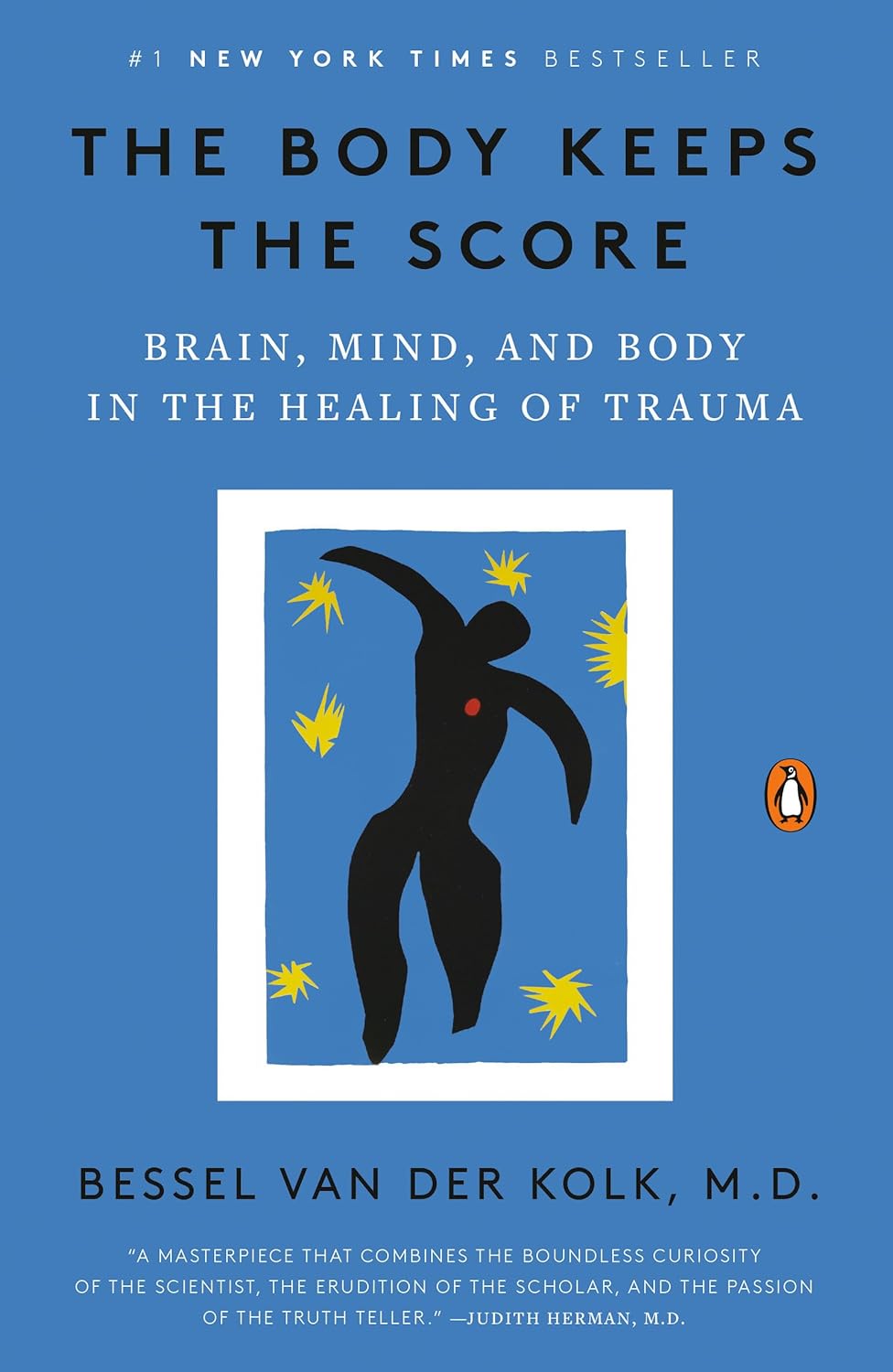
The Body Keeps the Score
by Bessel van der Kolk, M.D.
Trauma is often misunderstood and underdiagnosed.
Turn the useful part of the book into something worth passing on.
Trauma is often misunderstood and underdiagnosed.
Share with the ReadSprint source so others can read the context.
The Body Keeps the Score
by Bessel van der Kolk, M.D.
The brain's response to trauma can lead to lasting changes in behavior and emotional regulation.
Turn the useful part of the book into something worth passing on.
The brain's response to trauma can lead to lasting changes in behavior and emotional regulation.
Share with the ReadSprint source so others can read the context.
The Body Keeps the Score
by Bessel van der Kolk, M.D.
Understanding trauma is crucial for effective treatment.
Turn the useful part of the book into something worth passing on.
Understanding trauma is crucial for effective treatment.
Share with the ReadSprint source so others can read the context.
The Body Keeps the Score
by Bessel van der Kolk, M.D.
The chapter highlights the importance of recognizing trauma in various populations.
Turn the useful part of the book into something worth passing on.
The chapter highlights the importance of recognizing trauma in various populations.
Share with the ReadSprint source so others can read the context.
The Body Keeps the Score
by Bessel van der Kolk, M.D.
Recognize the signs of trauma in yourself and others to foster a supportive environment.
Turn the useful part of the book into something worth passing on.
Recognize the signs of trauma in yourself and others to foster a supportive environment.
Share with the ReadSprint source so others can read the context.
The Body Keeps the Score
by Bessel van der Kolk, M.D.
The chapter sets the stage for understanding trauma's impact on individuals and emphasizes the need for a comprehensive approach to healing.
Turn the useful part of the book into something worth passing on.
The chapter sets the stage for understanding trauma's impact on individuals and emphasizes the need for a comprehensive approach to healing.
Share with the ReadSprint source so others can read the context.
The Body Keeps the Score
by Bessel van der Kolk, M.D.
This chapter introduces the concept of trauma and its profound effects on the mind and body. It discusses how trauma can alter brain function and lead to various psychological issues.
Turn the useful part of the book into something worth passing on.
This chapter introduces the concept of trauma and its profound effects on the mind and body. It discusses how trauma can alter brain function and lead to various psychological issues.
Share with the ReadSprint source so others can read the context.
The Body Keeps the Score
by Bessel van der Kolk, M.D.
Trauma can lead to hyperarousal and emotional dysregulation.
Turn the useful part of the book into something worth passing on.
Trauma can lead to hyperarousal and emotional dysregulation.
Share with the ReadSprint source so others can read the context.
The Body Keeps the Score
by Bessel van der Kolk, M.D.
The amygdala plays a key role in fear responses.
Turn the useful part of the book into something worth passing on.
The amygdala plays a key role in fear responses.
Share with the ReadSprint source so others can read the context.
The Body Keeps the Score
by Bessel van der Kolk, M.D.
The hippocampus is crucial for memory formation and can be impaired by trauma.
Turn the useful part of the book into something worth passing on.
The hippocampus is crucial for memory formation and can be impaired by trauma.
Share with the ReadSprint source so others can read the context.
The Body Keeps the Score
by Bessel van der Kolk, M.D.
Understanding these brain changes is essential for effective treatment.
Turn the useful part of the book into something worth passing on.
Understanding these brain changes is essential for effective treatment.
Share with the ReadSprint source so others can read the context.
The Body Keeps the Score
by Bessel van der Kolk, M.D.
Educate yourself about the brain's response to trauma to better understand your reactions and those of others.
Turn the useful part of the book into something worth passing on.
Educate yourself about the brain's response to trauma to better understand your reactions and those of others.
Share with the ReadSprint source so others can read the context.