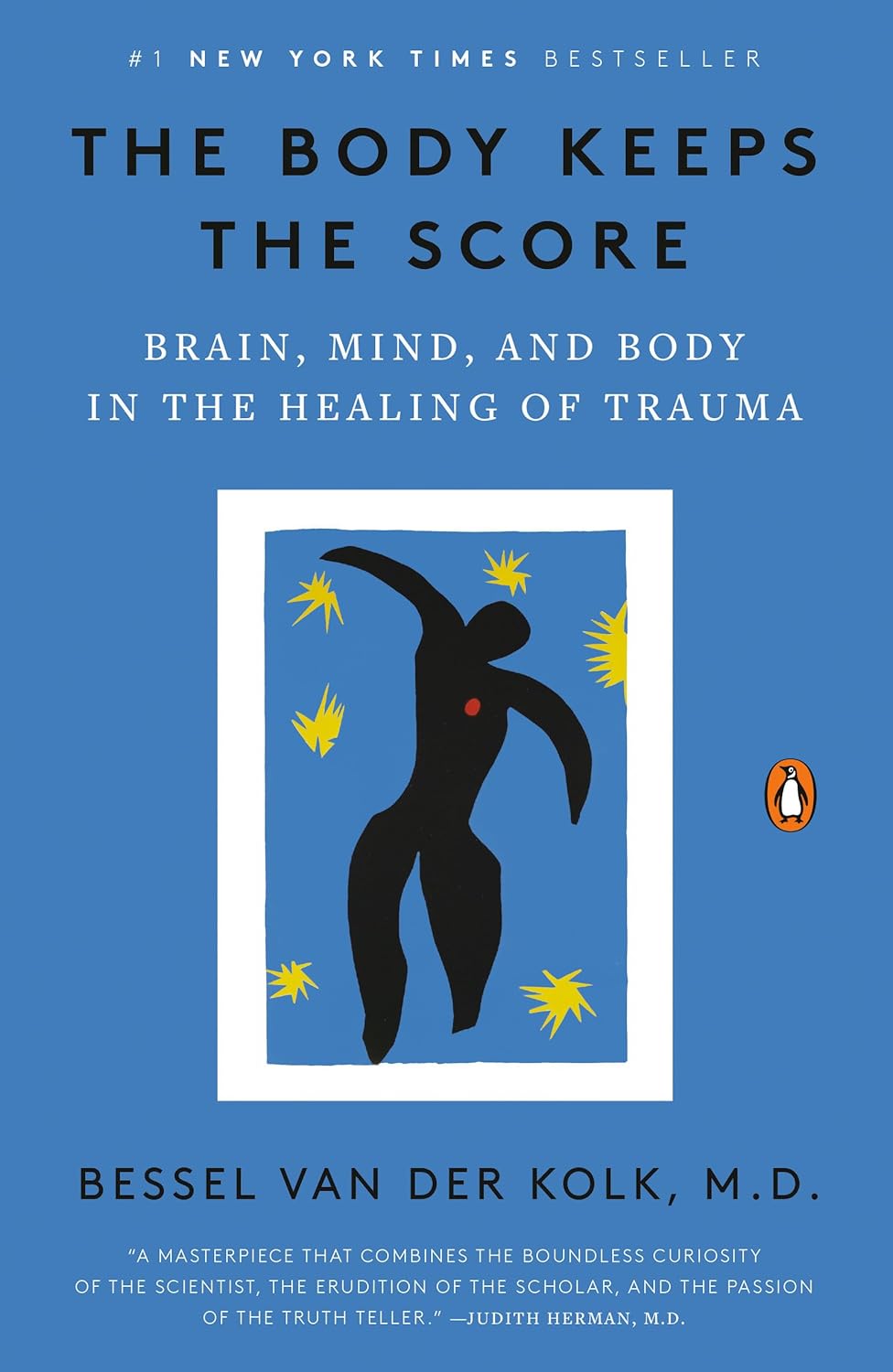
ReadSprintBooksThe Body Keeps the ScoreThe Body Keeps the Score Key Concepts and Core Ideas
The Body Keeps the Score
The Body Keeps the Score Key Concepts and Core Ideas

The Body Keeps the Score Key Concepts and Core Ideas

by Bessel van der Kolk, M.D.

Understand the core concepts in The Body Keeps the Score by Bessel van der Kolk, M.D., with explanations, recall prompts, related books, and connected learning paths.

This page isolates the core concepts carrying The Body Keeps the Score. Use it when you want to understand the book’s mental models, not just skim the chapter sequence.

Built for retention

ReadSprint combines concise summaries, quizzes, active recall, and related reading paths so the useful part of the book is easier to keep.

Open full summary

12

Chapter summaries

5

Quiz questions

12

Key takeaways

6

Related books

Concept map

These are the ideas doing most of the work inside The Body Keeps the Score. Study them as reusable mental models, then jump back into chapters or questions when you want more context.

Concept 1

The Rediscovery of Trauma

This chapter introduces the concept of trauma and its profound effects on the mind and body. It discusses how trauma can alter brain function and lead to various psychological issues.

Why it matters: The chapter sets the stage for understanding trauma's impact on individuals and emphasizes the need for a comprehensive approach to healing.

Supporting points

  • Trauma is often misunderstood and underdiagnosed.
  • The brain's response to trauma can lead to lasting changes in behavior and emotional regulation.
  • Understanding trauma is crucial for effective treatment.
Active recall prompt

How does the rediscovery of trauma change the way you would explain or apply The Body Keeps the Score?

Related chapter

Chapter 1: The Rediscovery of Trauma

Concept 2

This is Your Brain on Trauma

This chapter delves into the neuroscience of trauma, explaining how traumatic experiences affect brain structure and function. It highlights the role of the amygdala and hippocampus in processing traumatic memories.

Why it matters: The chapter connects the physiological changes in the brain to the emotional and behavioral symptoms of trauma, reinforcing the need for trauma-informed care.

Supporting points

  • Trauma can lead to hyperarousal and emotional dysregulation.
  • The amygdala plays a key role in fear responses.
  • The hippocampus is crucial for memory formation and can be impaired by trauma.
Active recall prompt

How does this is your brain on trauma change the way you would explain or apply The Body Keeps the Score?

Related chapter

Chapter 2: This is Your Brain on Trauma

Concept 3

The Body Keeps the Score

This chapter emphasizes the connection between the body and mind in the context of trauma. It discusses how trauma manifests physically and the importance of somatic therapies.

Why it matters: The chapter highlights the necessity of addressing both mental and physical aspects of trauma for holistic healing.

Supporting points

  • Trauma can lead to physical symptoms and chronic pain.
  • Somatic therapies can help release stored trauma in the body.
  • The mind
Active recall prompt

How does the body keeps the score change the way you would explain or apply The Body Keeps the Score?

Related chapter

Chapter 3: The Body Keeps the Score

Concept 4

The Nature of Trauma

This chapter explores different types of trauma, including acute, chronic, and complex trauma. It discusses the varying impacts these traumas can have on individuals.

Why it matters: The chapter provides a framework for understanding the diverse experiences of trauma, which is essential for effective intervention.

Supporting points

  • Acute trauma results from a single event, while chronic trauma stems from repeated exposure.
  • Complex trauma involves multiple traumatic experiences, often in childhood.
  • Each type of trauma requires different therapeutic approaches.
Active recall prompt

How does the nature of trauma change the way you would explain or apply The Body Keeps the Score?

Related chapter

Chapter 4: The Nature of Trauma

Concept 5

The Impact of Trauma on Relationships

This chapter examines how trauma affects interpersonal relationships. It discusses issues such as trust, intimacy, and communication that can arise in trauma survivors.

Why it matters: The chapter underscores the importance of social support and healthy relationships in the healing process for trauma survivors.

Supporting points

  • Trauma can lead to difficulties in forming and maintaining relationships.
  • Survivors may struggle with trust and vulnerability.
  • Communication patterns can be disrupted by trauma responses.
Active recall prompt

How does the impact of trauma on relationships change the way you would explain or apply The Body Keeps the Score?

Related chapter

Chapter 5: The Impact of Trauma on Relationships

Concept 6

The Role of Therapy in Healing

This chapter discusses various therapeutic approaches to trauma, including cognitive-behavioral therapy, EMDR, and somatic experiencing. It emphasizes the importance of finding the right fit for each individual.

Why it matters: The chapter highlights the diversity of therapeutic options available, reinforcing the idea that healing is not one-size fits-all.

Supporting points

  • Different therapies address trauma in unique ways.
  • EMDR is effective for processing traumatic memories.
  • Somatic experiencing focuses on bodily sensations.
Active recall prompt

How does the role of therapy in healing change the way you would explain or apply The Body Keeps the Score?

Related chapter

Chapter 6: The Role of Therapy in Healing

Concept 7

The Importance of Community

This chapter emphasizes the role of community and social support in healing from trauma. It discusses how shared experiences can foster resilience and recovery.

Why it matters: The chapter illustrates the power of community in the healing journey, highlighting that individuals do not have to face trauma alone.

Supporting points

  • Community support can mitigate the effects of trauma.
  • Shared experiences create a sense of belonging.
  • Group therapy can be beneficial for trauma survivors.
Active recall prompt

How does the importance of community change the way you would explain or apply The Body Keeps the Score?

Related chapter

Chapter 7: The Importance of Community

Concept 8

The Healing Power of Creativity

This chapter explores how creative expression can aid in trauma recovery. It discusses various forms of art therapy and their therapeutic benefits.

Why it matters: The chapter highlights the therapeutic potential of creativity, emphasizing its role in healing and self-exploration.

Supporting points

  • Creative outlets can facilitate emotional expression.
  • Art therapy helps process trauma non
  • verbally.
Active recall prompt

How does the healing power of creativity change the way you would explain or apply The Body Keeps the Score?

Related chapter

Chapter 8: The Healing Power of Creativity

Quiz checkpoints

Question 1

What is the primary focus of 'The Body Keeps the Score'?

Question 2

Which therapeutic approach is highlighted for processing traumatic memories?

Question 3

What role does community play in trauma recovery according to the book?

Practice retrieval

Key concepts

The Rediscovery of Trauma

The chapter sets the stage for understanding trauma's impact on individuals and emphasizes the need for a comprehensive approach to healing.

This is Your Brain on Trauma

The chapter connects the physiological changes in the brain to the emotional and behavioral symptoms of trauma, reinforcing the need for trauma-informed care.

The Body Keeps the Score

The chapter highlights the necessity of addressing both mental and physical aspects of trauma for holistic healing.

Open concept map
Turn Reading Into Recall

Keep The Body Keeps the Score review-ready instead of letting it fade.

This page is strongest when it becomes part of a review habit: save the summary, revisit the key takeaways, and use recall prompts before the next meeting, study block, or decision.

Save one strong takeaway instead of over-highlighting.
Use the questions page to test what actually stuck.
Return when the book becomes relevant again, not just when motivation is high.
See pricing
Get Book Review Notes

Get practical notes on remembering and reusing ideas from nonfiction books without building an overly heavy note system.

Retention workflow

Turn this page into a repeatable study loop

Move from summary to takeaways, test yourself with questions, revisit the concept map, and then continue into related books. That keeps The Body Keeps the Scoreconnected instead of turning into a one-time skim.

Frequently asked questions

What are the key concepts in The Body Keeps the Score?

The key concepts here are distilled from the chapter summaries, major themes, and action-oriented takeaways so you can quickly see the ideas carrying the whole book.

How should I study these The Body Keeps the Score concepts?

Start by explaining each concept from memory, connect it to a chapter or example, and then test yourself with one active recall prompt before moving on.

How are the concepts connected to other books?

Use the related books and topic links on this page to find books that reinforce, challenge, or extend the same ideas from a different angle.