Takeaways people can pass on
These cards are tuned for social discoverability: one clean idea, one strong visual treatment, and one tap to share on mobile.
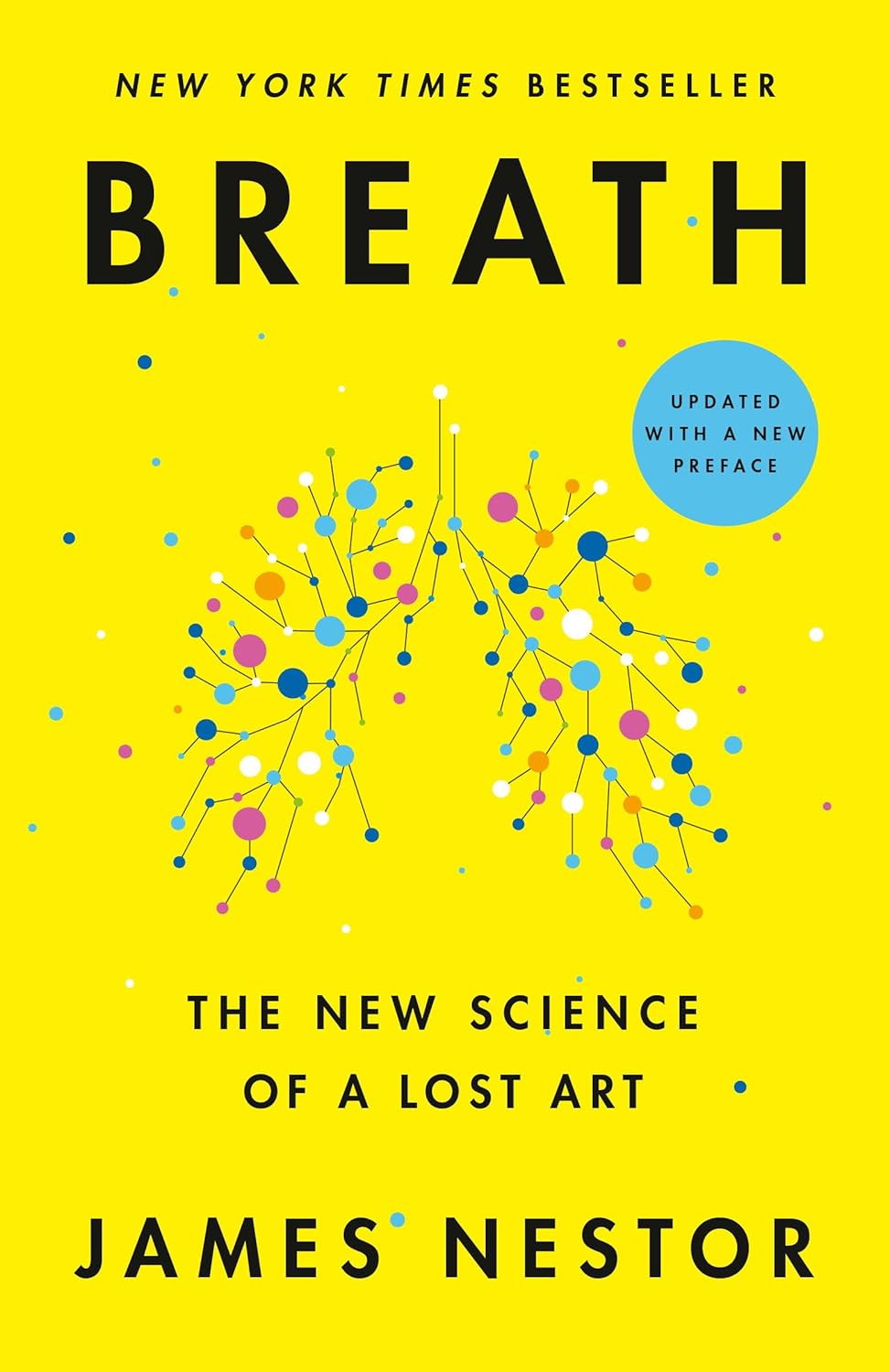
Breath: The New Science of a Lost Art
by James Nestor
Modern habits (mouth
Turn the useful part of the book into something worth passing on.
Modern habits (mouth
Share with the ReadSprint source so others can read the context.
Breath: The New Science of a Lost Art
by James Nestor
breathing, shallow rapid breaths) contrast with how humans evolved to breathe.
Turn the useful part of the book into something worth passing on.
breathing, shallow rapid breaths) contrast with how humans evolved to breathe.
Share with the ReadSprint source so others can read the context.
Breath: The New Science of a Lost Art
by James Nestor
Poor breathing contributes to problems like sleep disturbances, reduced athletic performance, and chronic respiratory issues.
Turn the useful part of the book into something worth passing on.
Poor breathing contributes to problems like sleep disturbances, reduced athletic performance, and chronic respiratory issues.
Share with the ReadSprint source so others can read the context.
Breath: The New Science of a Lost Art
by James Nestor
The book sets up an exploration combining history, science, and hands
Turn the useful part of the book into something worth passing on.
The book sets up an exploration combining history, science, and hands
Share with the ReadSprint source so others can read the context.
Breath: The New Science of a Lost Art
by James Nestor
on testing of varied breathing methods.
Turn the useful part of the book into something worth passing on.
on testing of varied breathing methods.
Share with the ReadSprint source so others can read the context.
Breath: The New Science of a Lost Art
by James Nestor
Begin paying conscious attention to your breath and whether you breathe through your nose or mouth.
Turn the useful part of the book into something worth passing on.
Begin paying conscious attention to your breath and whether you breathe through your nose or mouth.
Share with the ReadSprint source so others can read the context.
Breath: The New Science of a Lost Art
by James Nestor
Breathing is presented as a foundational, often overlooked determinant of health; reconnecting with proper breathing has broad relevance to modern lifestyle illnesses. This chapter frames the rest of the book by arguing that simple changes…
Turn the useful part of the book into something worth passing on.
Breathing is presented as a foundational, often overlooked determinant of health; reconnecting with proper breathing has broad relevance to modern lifestyle illnesses. This chapter frames the rest of the book by arguing that simple changes to breath can yield measurable benefits.
Share with the ReadSprint source so others can read the context.
Breath: The New Science of a Lost Art
by James Nestor
James Nestor introduces the idea that modern humans have largely forgotten how to breathe correctly, linking poor breathing habits to a wide range of chronic health problems. He describes his personal experiments and journeys to meet resea…
Turn the useful part of the book into something worth passing on.
James Nestor introduces the idea that modern humans have largely forgotten how to breathe correctly, linking poor breathing habits to a wide range of chronic health problems. He describes his personal experiments and journeys to meet researchers and practitioners who reclaim and study traditional breathing techniques.
Share with the ReadSprint source so others can read the context.
Breath: The New Science of a Lost Art
by James Nestor
The nose filters particulates and humidifies/warms air, protecting lungs and sinus health.
Turn the useful part of the book into something worth passing on.
The nose filters particulates and humidifies/warms air, protecting lungs and sinus health.
Share with the ReadSprint source so others can read the context.
Breath: The New Science of a Lost Art
by James Nestor
Nasal breathing generates nitric oxide, which helps dilate blood vessels and improves oxygen transfer in the lungs.
Turn the useful part of the book into something worth passing on.
Nasal breathing generates nitric oxide, which helps dilate blood vessels and improves oxygen transfer in the lungs.
Share with the ReadSprint source so others can read the context.
Breath: The New Science of a Lost Art
by James Nestor
Nasal resistance helps maintain optimal lung volumes and a calmer autonomic state.
Turn the useful part of the book into something worth passing on.
Nasal resistance helps maintain optimal lung volumes and a calmer autonomic state.
Share with the ReadSprint source so others can read the context.
Breath: The New Science of a Lost Art
by James Nestor
Switching from mouth to nose breathing often reduces snoring and improves sleep quality.
Turn the useful part of the book into something worth passing on.
Switching from mouth to nose breathing often reduces snoring and improves sleep quality.
Share with the ReadSprint source so others can read the context.