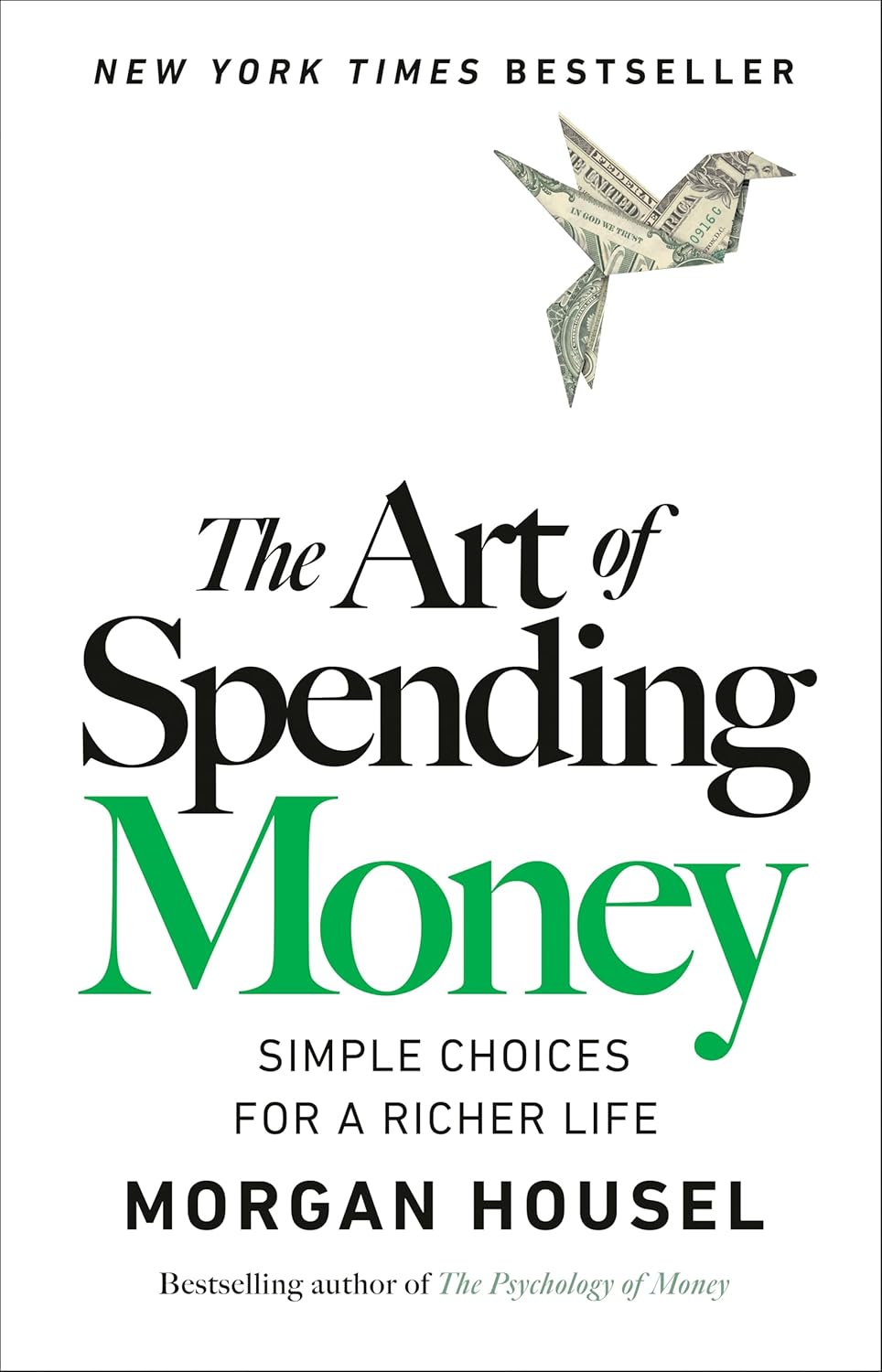
The Art of Spending Money quotes and summary highlights
This page gathers memorable summary highlights from The Art of Spending Money. These are review-friendly idea captures based on the summary content, not verified verbatim lines from the printed edition.
The Art of Spending Money
by Morgan Housel
“This chapter explores the psychological factors that influence spending habits, emphasizing the emotional and cognitive biases that lead to irrational financial decisions.”
Memorable ideas travel further when they come with context.
This chapter explores the psychological factors that influence spending habits, emphasizing the emotional and cognitive biases that lead to irrational financial decisions.
Emotional triggers in spending
Native share opens first on mobile, with copy-link fallback when it is unavailable.
The Art of Spending Money
by Morgan Housel
“This chapter delves into the concept of value, discussing how personal values and societal norms shape perceptions of money and influence spending behavior.”
Memorable ideas travel further when they come with context.
This chapter delves into the concept of value, discussing how personal values and societal norms shape perceptions of money and influence spending behavior.
Cognitive biases affecting financial choices
Native share opens first on mobile, with copy-link fallback when it is unavailable.
The Art of Spending Money
by Morgan Housel
“This chapter introduces the concept of budgeting not just for financial stability but for personal happiness, focusing on how to allocate resources to enhance well-being.”
Memorable ideas travel further when they come with context.
This chapter introduces the concept of budgeting not just for financial stability but for personal happiness, focusing on how to allocate resources to enhance well-being.
The impact of social influence on spending
Native share opens first on mobile, with copy-link fallback when it is unavailable.
The Art of Spending Money
by Morgan Housel
“This chapter discusses the importance of saving, offering strategies to cultivate a saving habit and highlighting the long-term benefits of financial security.”
Memorable ideas travel further when they come with context.
This chapter discusses the importance of saving, offering strategies to cultivate a saving habit and highlighting the long-term benefits of financial security.
Strategies to recognize and mitigate biases
Native share opens first on mobile, with copy-link fallback when it is unavailable.
The Art of Spending Money
by Morgan Housel
“This chapter provides an overview of investment principles, focusing on risk management, diversification, and the importance of informed decision-making.”
Memorable ideas travel further when they come with context.
This chapter provides an overview of investment principles, focusing on risk management, diversification, and the importance of informed decision-making.
Identify and challenge your spending triggers to make more rational financial decisions.
Native share opens first on mobile, with copy-link fallback when it is unavailable.
The Art of Spending Money
by Morgan Housel
“This chapter examines the role of debt in personal finance, discussing when it can be beneficial and how to manage it effectively to avoid financial pitfalls.”
Memorable ideas travel further when they come with context.
This chapter examines the role of debt in personal finance, discussing when it can be beneficial and how to manage it effectively to avoid financial pitfalls.
Understanding the psychological underpinnings of spending is crucial for making informed financial decisions. This chapter sets the stage for exploring how emotions and biases can be managed.
Native share opens first on mobile, with copy-link fallback when it is unavailable.
Use these quotes to review the book
Which quote from The Art of Spending Money changes how you would explain the book to someone else?
Which lesson here is worth testing in a real decision this week?
Which highlight feels memorable but less actionable once you slow down and examine it?