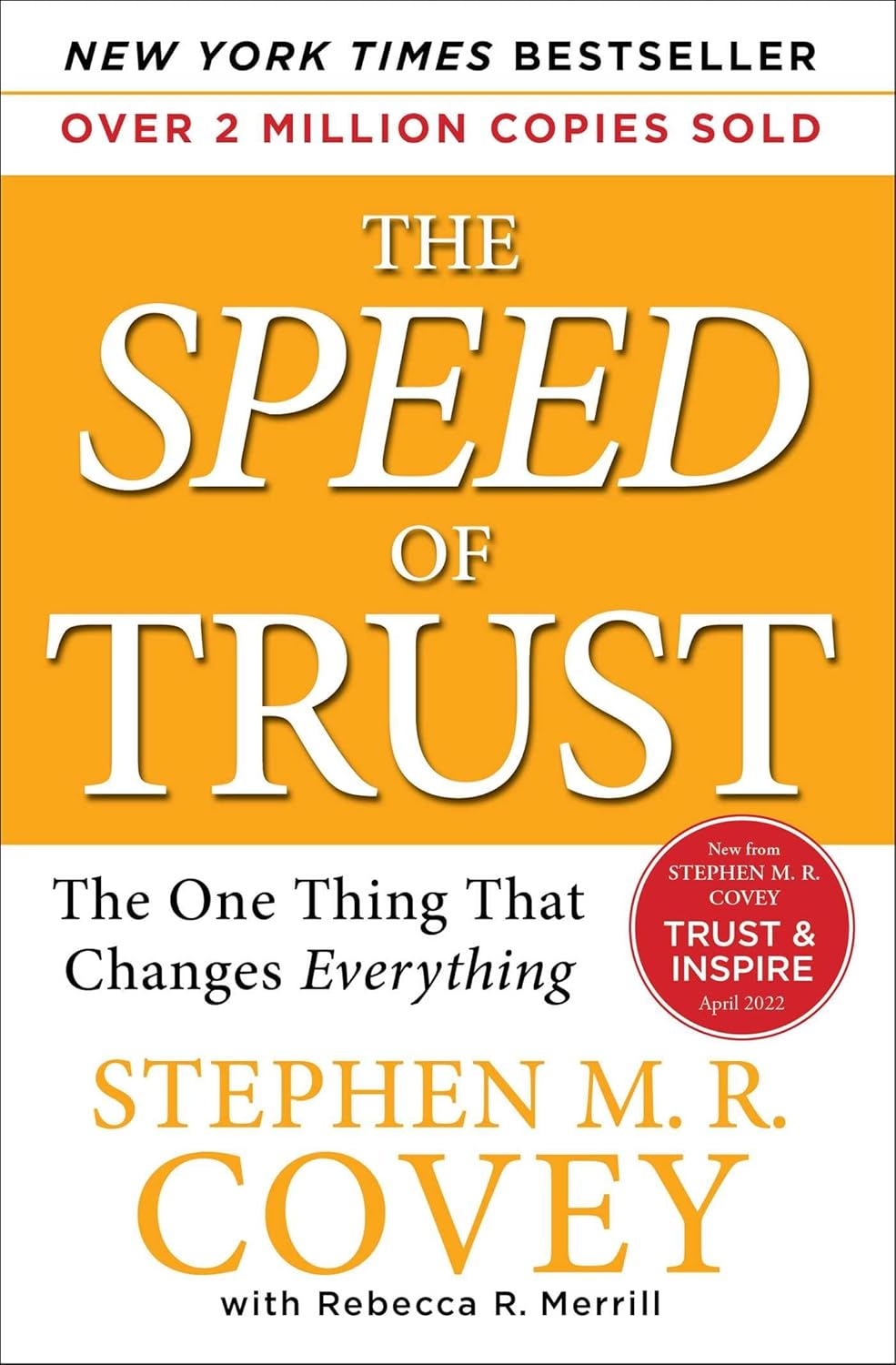
Book overview
This chapter introduces the concept of trust as a critical component in personal and professional relationships. It argues that trust is the foundation for success and efficiency in any organization.
This page is built to be a compact learning hub for The Speed of Trust. You can move from the high-level summary into takeaways, quiz prompts, chapter review, and related books without breaking the reading flow.
Best takeaways to keep
Trust is a key driver of success
Lack of trust leads to inefficiency
Trust can be built and rebuilt
Focus on building trust to improve relationships and efficiency.
Trust is presented as the single most important factor that can change the dynamics of any relationship or organization. It sets the stage for the rest of the book by emphasizing its foundational role.
This chapter introduces the concept of trust as a critical component in personal and professional relationships. It argues that trust is the foundation for success and efficiency in any organization.
Retrieval practice
What is the main focus of the book 'The Speed of Trust'?
Which wave of trust focuses on brand reputation and customer loyalty?
What is the 'trust tax'?
Which principle emphasizes the importance of delivering on promises?
Quiz preview
What is the main focus of the book 'The Speed of Trust'?
- Building personal wealth
- Improving communication skills
- Establishing trust in relationships
Which wave of trust focuses on brand reputation and customer loyalty?
- Self Trust
- Relationship Trust
- Market Trust
What is the 'trust tax'?
- A financial penalty for lack of trust
- An increase in costs due to lack of trust
- A government-imposed tax on trust-based transactions
Which principle emphasizes the importance of delivering on promises?
- The Principle of Behavior
- The Principle of Results
- The Principle of Listening
Chapter map
The One Thing That Changes Everything
This chapter introduces the concept of trust as a critical component in personal and professional relationships. It argues that trust is the foundation for success and efficiency in any organization.
The First Wave: Self Trust
Self Trust is about developing confidence in oneself and one's ability to achieve goals. It emphasizes the importance of integrity and intent in building self-trust.
The Second Wave: Relationship Trust
Relationship Trust focuses on the importance of consistent behavior and communication in building trust with others. It introduces the concept of the "13 Behaviors" that enhance trust.
The Third Wave: Organizational Trust
Organizational Trust explores how trust can be institutionalized within organizations. It discusses the importance of alignment, transparency, and accountability.
The Fourth Wave: Market Trust
Market Trust examines how trust affects brand reputation and customer loyalty. It highlights the importance of delivering on promises and maintaining a positive brand image.
Next best step
Move next into the questions page if you want better retention, or into the takeaways page if you want the shortest useful review loop for this book.