ReadSprintBooksAtomic HabitsAtomic Habits Key Concepts and Core Ideas
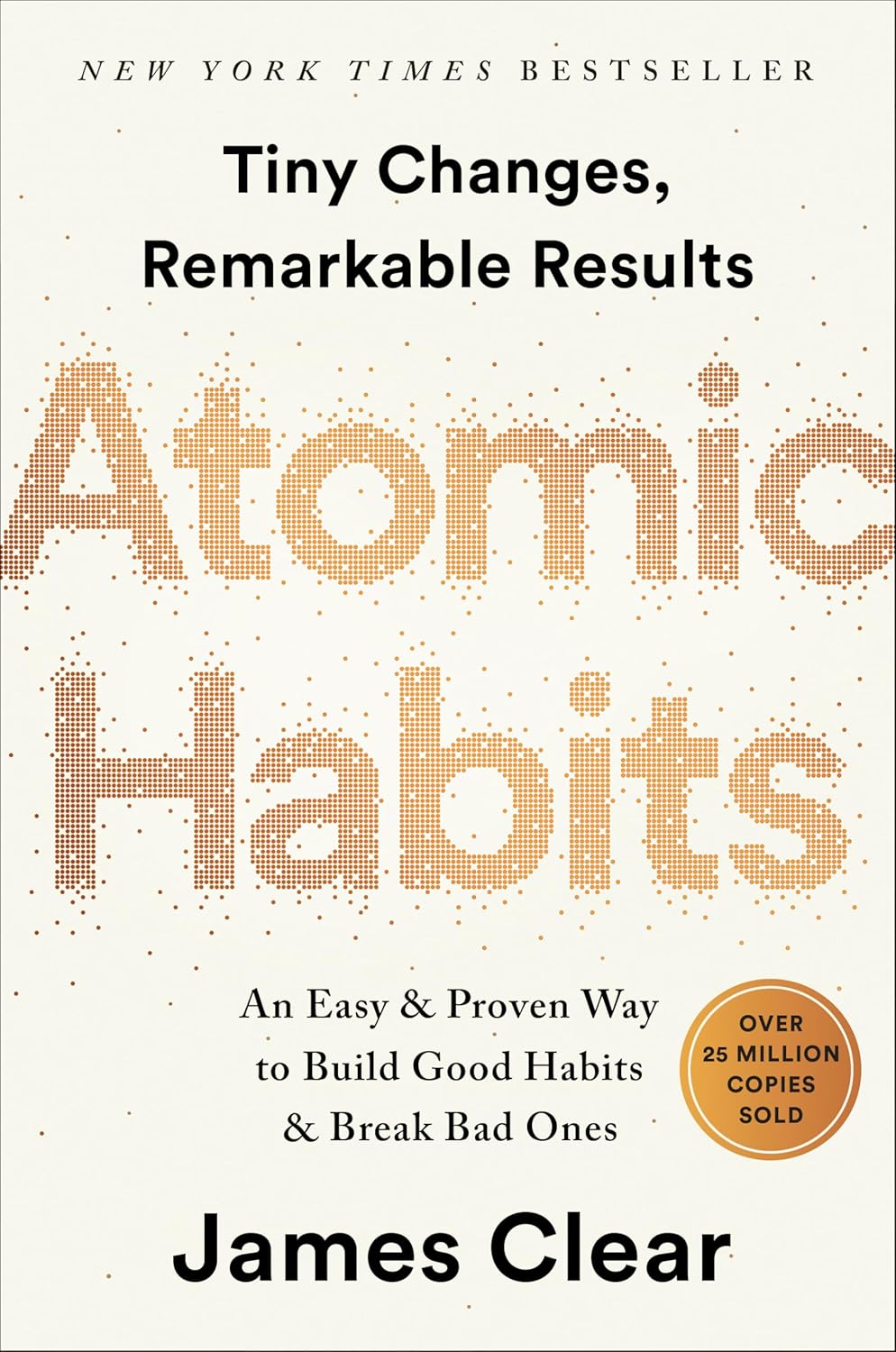
Atomic Habits
Atomic Habits Key Concepts and Core Ideas

Atomic Habits Key Concepts and Core Ideas

by James Clear

Understand the core concepts in Atomic Habits by James Clear, with explanations, recall prompts, related books, and connected learning paths.

This page isolates the core concepts carrying Atomic Habits. Use it when you want to understand the book’s mental models, not just skim the chapter sequence.

Built for retention

ReadSprint combines concise summaries, quizzes, active recall, and related reading paths so the useful part of the book is easier to keep.

Open full summary

20

Chapter summaries

5

Quiz questions

12

Key takeaways

6

Related books

Concept map

These are the ideas doing most of the work inside Atomic Habits. Study them as reusable mental models, then jump back into chapters or questions when you want more context.

Concept 1

The Surprising Power of Atomic Habits

This chapter introduces the concept of atomic habits, emphasizing how small changes can lead to remarkable results. The author explains the compounding effect of habits and how they shape our identity over time.

Why it matters: The chapter sets the stage for understanding the power of incremental change and how focusing on systems rather than goals can lead to success.

Supporting points

  • Small habits compound over time
  • Habits shape identity
  • Focus on systems, not goals
Active recall prompt

How does the surprising power of atomic habits change the way you would explain or apply Atomic Habits?

Related chapter

The Surprising Power of Atomic Habits

Concept 2

How Your Habits Shape Your Identity (and Vice Versa)

This chapter explores the relationship between habits and identity, illustrating how our actions define who we are. The author discusses the importance of aligning habits with the person you want to become.

Why it matters: Understanding the connection between habits and identity helps readers see the importance of aligning daily actions with long-term goals.

Supporting points

  • Identity
  • based habits
  • Align actions with desired identity
Active recall prompt

How does how your habits shape your identity (and vice versa) change the way you would explain or apply Atomic Habits?

Related chapter

How Your Habits Shape Your Identity (and Vice Versa)

Concept 3

The 1st Law: Make It Obvious

The first law of behavior change is to make habits obvious. This chapter discusses the importance of cues in habit formation and how to design your environment to make good habits more visible.

Why it matters: By making habits obvious, readers can create an environment that naturally encourages positive behavior.

Supporting points

  • Importance of cues
  • Environment design
  • Habit stacking
Active recall prompt

How does the 1st law: make it obvious change the way you would explain or apply Atomic Habits?

Related chapter

The 1st Law: Make It Obvious

Concept 4

The 2nd Law: Make It Attractive

This chapter focuses on the second law of behavior change: making habits attractive. The author explains how to use temptation bundling and the role of dopamine in habit formation.

Why it matters: Understanding how to make habits attractive helps in creating a positive feedback loop that encourages repetition.

Supporting points

  • Temptation bundling
  • Role of dopamine
  • Making habits appealing
Active recall prompt

How does the 2nd law: make it attractive change the way you would explain or apply Atomic Habits?

Related chapter

The 2nd Law: Make It Attractive

Concept 5

The 3rd Law: Make It Easy

The third law of behavior change is to make habits easy. This chapter discusses reducing friction, the two-minute rule, and the importance of starting small.

Why it matters: By simplifying habits, readers can lower the barrier to entry and increase the likelihood of consistency.

Supporting points

  • Reduce friction
  • Two
  • minute rule
Active recall prompt

How does the 3rd law: make it easy change the way you would explain or apply Atomic Habits?

Related chapter

The 3rd Law: Make It Easy

Concept 6

The 4th Law: Make It Satisfying

The fourth law of behavior change is to make habits satisfying. The author discusses the importance of immediate rewards and how to create a sense of satisfaction to reinforce habits.

Why it matters: Creating satisfying experiences around habits ensures they are more likely to stick.

Supporting points

  • Immediate rewards
  • Reinforcement
  • Habit tracking
Active recall prompt

How does the 4th law: make it satisfying change the way you would explain or apply Atomic Habits?

Related chapter

The 4th Law: Make It Satisfying

Concept 7

The Secret to Self-Control

This chapter delves into the concept of self-control, arguing that it is more about removing temptations than sheer willpower. The author provides strategies for designing environments that minimize distractions.

Why it matters: By understanding self-control as a design problem, readers can create environments that naturally support their goals.

Supporting points

  • Remove temptations
  • Environment design
  • Focus on systems
Active recall prompt

How does the secret to self-control change the way you would explain or apply Atomic Habits?

Related chapter

The Secret to Self-Control

Concept 8

How to Make a Habit Stick

This chapter provides strategies for making habits stick, including the importance of repetition and the role of accountability. The author emphasizes the need for patience and persistence.

Why it matters: The chapter reinforces the idea that consistency and support are key to long-term habit formation.

Supporting points

  • Repetition
  • Accountability
  • Patience and persistence
Active recall prompt

How does how to make a habit stick change the way you would explain or apply Atomic Habits?

Related chapter

How to Make a Habit Stick

Quiz checkpoints

Question 1

What is the main focus of the book 'Atomic Habits'?

Question 2

Which law of behavior change emphasizes making habits obvious?

Question 3

What is the Goldilocks Rule about?

Practice retrieval

Key concepts

The Surprising Power of Atomic Habits

The chapter sets the stage for understanding the power of incremental change and how focusing on systems rather than goals can lead to success.

How Your Habits Shape Your Identity (and Vice Versa)

Understanding the connection between habits and identity helps readers see the importance of aligning daily actions with long-term goals.

The 1st Law: Make It Obvious

By making habits obvious, readers can create an environment that naturally encourages positive behavior.

Open concept map

Books readers also liked

Modeled from shared topics, category overlap, and nearby reading paths to surface the closest adjacent titles.

Turn Reading Into Recall

Keep Atomic Habits review-ready instead of letting it fade.

This page is strongest when it becomes part of a review habit: save the summary, revisit the key takeaways, and use recall prompts before the next meeting, study block, or decision.

Save one strong takeaway instead of over-highlighting.
Use the questions page to test what actually stuck.
Return when the book becomes relevant again, not just when motivation is high.
See pricing
Get Book Review Notes

Get practical notes on remembering and reusing ideas from nonfiction books without building an overly heavy note system.

Retention workflow

Turn this page into a repeatable study loop

Move from summary to takeaways, test yourself with questions, revisit the concept map, and then continue into related books. That keeps Atomic Habitsconnected instead of turning into a one-time skim.

Frequently asked questions

What are the key concepts in Atomic Habits?

The key concepts here are distilled from the chapter summaries, major themes, and action-oriented takeaways so you can quickly see the ideas carrying the whole book.

How should I study these Atomic Habits concepts?

Start by explaining each concept from memory, connect it to a chapter or example, and then test yourself with one active recall prompt before moving on.

How are the concepts connected to other books?

Use the related books and topic links on this page to find books that reinforce, challenge, or extend the same ideas from a different angle.