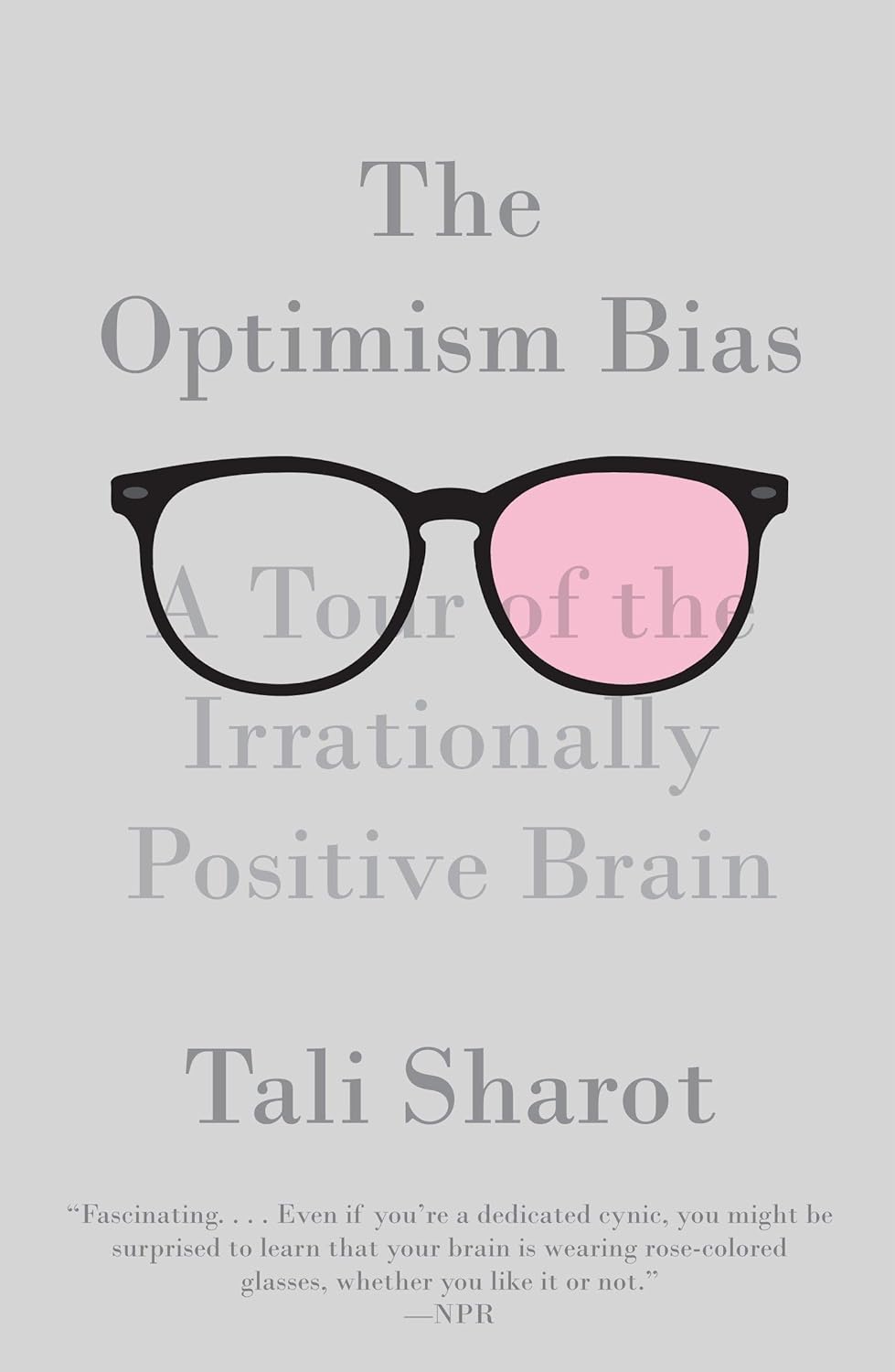
ReadSprintBooksThe Optimism BiasThe Optimism Bias Key Concepts and Core Ideas
The Optimism Bias
The Optimism Bias Key Concepts and Core Ideas

The Optimism Bias Key Concepts and Core Ideas

by Tali Sharot

Understand the core concepts in The Optimism Bias by Tali Sharot, with explanations, recall prompts, related books, and connected learning paths.

This page isolates the core concepts carrying The Optimism Bias. Use it when you want to understand the book’s mental models, not just skim the chapter sequence.

Built for retention

ReadSprint combines concise summaries, quizzes, active recall, and related reading paths so the useful part of the book is easier to keep.

Open full summary

10

Chapter summaries

5

Quiz questions

12

Key takeaways

6

Related books

Concept map

These are the ideas doing most of the work inside The Optimism Bias. Study them as reusable mental models, then jump back into chapters or questions when you want more context.

Concept 1

Introduction to Optimism Bias

The introduction sets the stage for understanding optimism bias, a cognitive phenomenon where individuals believe they are less likely to experience negative events compared to others. It highlights the prevalence and impact of this bias in everyday life.

Why it matters: The chapter introduces the central theme of the book: understanding how optimism bias shapes human behavior and decision-making.

Supporting points

  • Definition of optimism bias
  • Examples of optimism bias in daily scenarios
  • Importance of studying optimism bias
Active recall prompt

How does introduction to optimism bias change the way you would explain or apply The Optimism Bias?

Related chapter

Introduction to Optimism Bias

Concept 2

The Science Behind Optimism

This chapter delves into the neurological and psychological foundations of optimism bias. It explores how the brain processes optimistic thoughts and the evolutionary advantages of maintaining a positive outlook.

Why it matters: Understanding the scientific basis of optimism bias helps readers appreciate its role in human evolution and survival.

Supporting points

  • Brain regions involved in optimism
  • Evolutionary benefits of optimism
  • Psychological mechanisms supporting optimism
Active recall prompt

How does the science behind optimism change the way you would explain or apply The Optimism Bias?

Related chapter

The Science Behind Optimism

Concept 3

Optimism in Health and Well-being

The chapter examines the relationship between optimism and health, illustrating how a positive outlook can lead to better physical and mental health outcomes. It discusses studies linking optimism to longevity and recovery from illness.

Why it matters: The chapter emphasizes the practical benefits of optimism in enhancing health and well-being, reinforcing the book's positive message.

Supporting points

  • Impact of optimism on physical health
  • Optimism and mental well
  • being
Active recall prompt

How does optimism in health and well-being change the way you would explain or apply The Optimism Bias?

Related chapter

Optimism in Health and Well-being

Concept 4

The Dark Side of Optimism

This chapter explores the potential downsides of excessive optimism, such as underestimating risks and making poor decisions. It provides examples of how unchecked optimism can lead to negative consequences.

Why it matters: Highlighting the negative aspects of optimism encourages readers to seek a balanced perspective.

Supporting points

  • Risks of excessive optimism
  • Case studies of optimism leading to failure
  • Balancing optimism with realism
Active recall prompt

How does the dark side of optimism change the way you would explain or apply The Optimism Bias?

Related chapter

The Dark Side of Optimism

Concept 5

Optimism in Relationships

The chapter discusses how optimism influences personal and professional relationships. It highlights the role of positive expectations in fostering trust and cooperation among individuals.

Why it matters: Optimism is shown to be a key factor in building and maintaining healthy relationships, aligning with the book's focus on positive psychology.

Supporting points

  • Optimism's effect on personal relationships
  • Professional benefits of optimism
  • Building trust through positive expectations
Active recall prompt

How does optimism in relationships change the way you would explain or apply The Optimism Bias?

Related chapter

Optimism in Relationships

Concept 6

Cultural Perspectives on Optimism

This chapter explores how optimism is perceived and valued across different cultures. It examines cultural variations in optimism and how societal norms influence optimistic thinking.

Why it matters: Understanding cultural perspectives enriches the reader's appreciation of optimism as a universal yet diverse phenomenon.

Supporting points

  • Cultural differences in optimism
  • Influence of societal norms on optimism
  • Global perspectives on optimism
Active recall prompt

How does cultural perspectives on optimism change the way you would explain or apply The Optimism Bias?

Related chapter

Cultural Perspectives on Optimism

Concept 7

Optimism in the Workplace

The chapter focuses on the role of optimism in the workplace, discussing how positive thinking can enhance productivity, creativity, and job satisfaction. It provides strategies for fostering an optimistic work environment.

Why it matters: Optimism is presented as a valuable asset in professional settings, contributing to both individual and organizational success.

Supporting points

  • Benefits of optimism at work
  • Strategies for promoting workplace optimism
  • Case studies of successful optimistic organizations
Active recall prompt

How does optimism in the workplace change the way you would explain or apply The Optimism Bias?

Related chapter

Optimism in the Workplace

Concept 8

Teaching Optimism

This chapter outlines methods for teaching and nurturing optimism in children and adults. It emphasizes the importance of early intervention and education in developing a positive outlook.

Why it matters: The chapter underscores the potential for optimism to be cultivated and taught, aligning with the book's educational focus.

Supporting points

  • Techniques for teaching optimism
  • Importance of early education
  • Long
Active recall prompt

How does teaching optimism change the way you would explain or apply The Optimism Bias?

Related chapter

Teaching Optimism

Quiz checkpoints

Question 1

What is optimism bias?

Question 2

Which brain regions are involved in optimism?

Question 3

How does optimism affect health?

Practice retrieval

Key concepts

Introduction to Optimism Bias

The chapter introduces the central theme of the book: understanding how optimism bias shapes human behavior and decision-making.

The Science Behind Optimism

Understanding the scientific basis of optimism bias helps readers appreciate its role in human evolution and survival.

Optimism in Health and Well-being

The chapter emphasizes the practical benefits of optimism in enhancing health and well-being, reinforcing the book's positive message.

Open concept map
Turn Reading Into Recall

Keep The Optimism Bias review-ready instead of letting it fade.

This page is strongest when it becomes part of a review habit: save the summary, revisit the key takeaways, and use recall prompts before the next meeting, study block, or decision.

Save one strong takeaway instead of over-highlighting.
Use the questions page to test what actually stuck.
Return when the book becomes relevant again, not just when motivation is high.
See pricing
Get Book Review Notes

Get practical notes on remembering and reusing ideas from nonfiction books without building an overly heavy note system.

Retention workflow

Turn this page into a repeatable study loop

Move from summary to takeaways, test yourself with questions, revisit the concept map, and then continue into related books. That keeps The Optimism Biasconnected instead of turning into a one-time skim.

Frequently asked questions

What are the key concepts in The Optimism Bias?

The key concepts here are distilled from the chapter summaries, major themes, and action-oriented takeaways so you can quickly see the ideas carrying the whole book.

How should I study these The Optimism Bias concepts?

Start by explaining each concept from memory, connect it to a chapter or example, and then test yourself with one active recall prompt before moving on.

How are the concepts connected to other books?

Use the related books and topic links on this page to find books that reinforce, challenge, or extend the same ideas from a different angle.