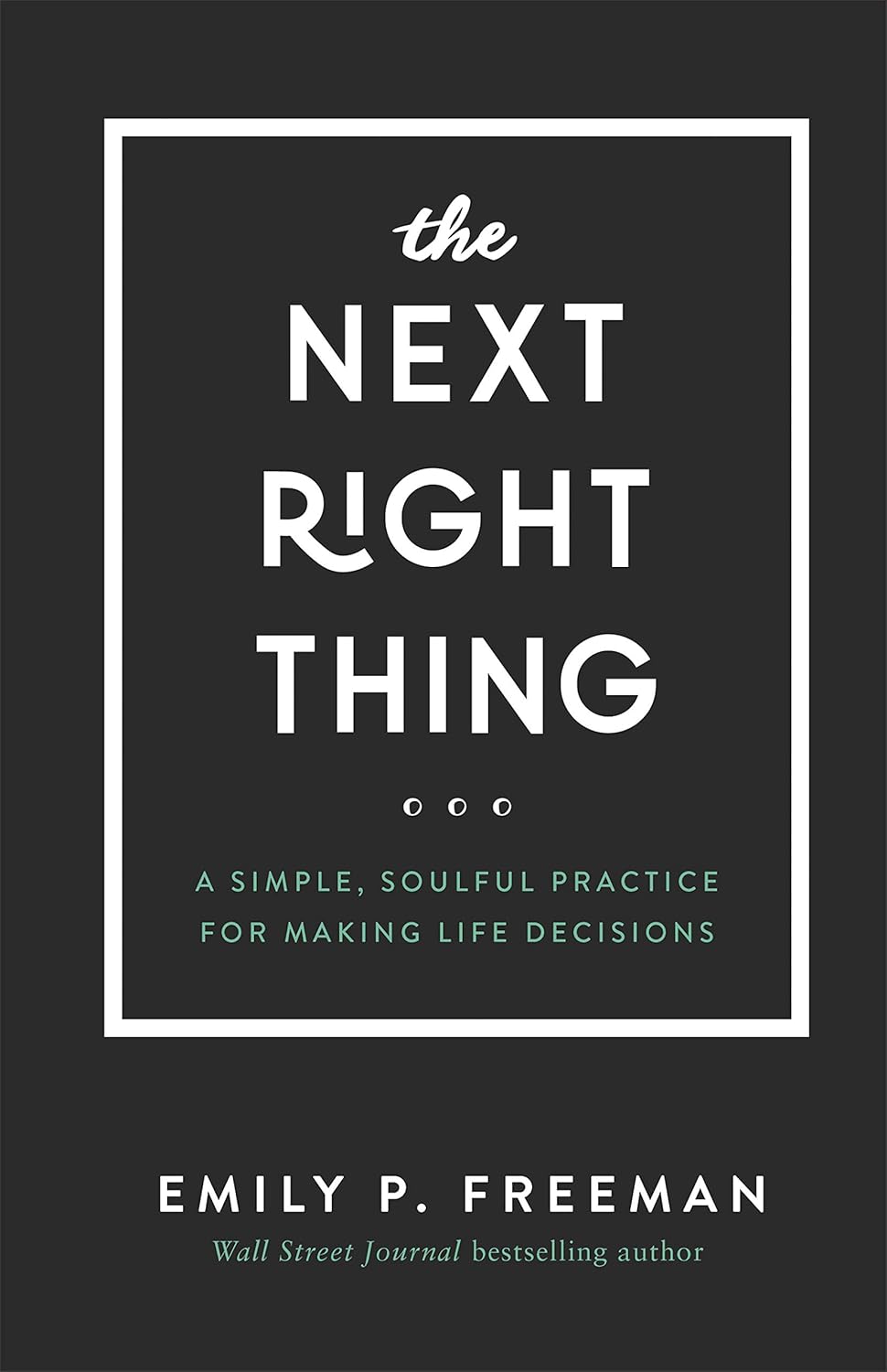
Introduction
Summary:
The introduction frames decision-making as a spiritual, emotional, and practical practice rather than a one
- time achievement. It invites readers into a gentle process for moving forward when choices feel overwhelming or paralyzing.
Key points:
- Decision
- making is often tethered to fear, fatigue, or grief and needs a compassionate approach.
- Small, next steps are emphasized over solving everything at once.
- The book offers a repeatable practice to reduce anxiety and cultivate clarity.
Themes & relevance:
The introduction establishes themes of presence, simplicity, and trust that make the practice relevant for anyone facing daily or life-altering choices. It situates decision
- making as a habit that can be learned and practiced.
Takeaway / How to use:
Begin by giving yourself permission to take one small, next step rather than forcing a big decision.
Key points
- Decision
- making is often tethered to fear, fatigue, or grief and needs a compassionate approach.
- Small, next steps are emphasized over solving everything at once.
- The book offers a repeatable practice to reduce anxiety and cultivate clarity.
Chapter 1: The Next Right Thing
Summary:
This chapter introduces the core idea of choosing the next right thing—an intentionally small, manageable action that moves you forward. It reframes decisions as a series of immediate, compassionate choices rather than a single monumental verdict.
Key points:
- Break large decisions into the smallest next step you can take.
- Focus on presence: what is the next right thing in this moment?
- Small choices accumulate and free you from paralysis.
- The practice reduces perfectionism by valuing motion over certainty.
Themes & relevance:
The chapter underscores agency and gentleness, making the method applicable whether facing everyday choices or seasons of upheaval. It connects spiritual and practical wisdom to help readers act without needing full certainty.
Takeaway / How to use:
When stuck, identify and do one tiny next action that honors your values and circumstances.
Key points
- Break large decisions into the smallest next step you can take.
- Focus on presence: what is the next right thing in this moment?
- Small choices accumulate and free you from paralysis.
- The practice reduces perfectionism by valuing motion over certainty.
Chapter 2: The Gift of Decision
Summary:
This chapter reframes decision-making as a gift rather than a burden, highlighting how choosing can be an act of freedom and responsibility. It explores how embracing the ability to decide restores dignity and direction.
Key points:
- Decision is an opportunity to shape your life rather than a threat to comfort.
- Choosing clarifies priorities and helps discard options that drain energy.
- Practicing small decisions builds confidence for larger ones.
- Accepting imperfect outcomes is part of a healthy decision posture.
Themes & relevance:
The chapter invites readers to reclaim decision-making as empowering, relevant for those who avoid choices out of fear or indecision. It situates choice as integral to growth and freedom.
Takeaway / How to use:
Treat each decision as a chance to practice freedom by intentionally selecting what matters most.
Key points
- Decision is an opportunity to shape your life rather than a threat to comfort.
- Choosing clarifies priorities and helps discard options that drain energy.
- Practicing small decisions builds confidence for larger ones.
- Accepting imperfect outcomes is part of a healthy decision posture.
Chapter 3: The Power of Choice
Summary:
Chapter 3 examines how choices shape identity and trajectory, showing that even modest decisions have cumulative power. It encourages awareness of how daily habits and selections influence long-term outcomes.
Key points:
- Choices define routines and, over time, character and destiny.
- Small, consistent decisions compound into meaningful change.
- Awareness of options helps avoid reactive or emotionally driven choices.
- Holding responsibility for choices increases personal agency.
Themes & relevance:
The focus on cumulative impact makes the chapter relevant for readers wanting long-term transformation through consistent practices. It links moral, spiritual, and practical dimensions of choosing.
Takeaway / How to use:
Notice one recurring small choice you can adjust today to align with where you want to go.
Key points
- Choices define routines and, over time, character and destiny.
- Small, consistent decisions compound into meaningful change.
- Awareness of options helps avoid reactive or emotionally driven choices.
- Holding responsibility for choices increases personal agency.
Chapter 4: The Importance of Clarity
Summary:
This chapter emphasizes clarity as a precursor to wise decisions, teaching ways to simplify options and clarify values. It offers strategies for reducing noise so the right next thing becomes visible.
Key points:
- Clarify values and priorities to make choices easier.
- Reduce options and simplify the decision environment.
- Use reflection practices (pause, list, prayer/meditation) to clear mental clutter.
- Clarity often emerges by focusing on what you can control now.
Themes & relevance:
By centering clarity, the chapter is practical for anyone overwhelmed by information or competing demands, helping make decisions with less anxiety. It emphasizes inner work as necessary for outer action.
Takeaway / How to use:
Pause and name your top priority before deciding on the next action.
Key points
- Clarify values and priorities to make choices easier.
- Reduce options and simplify the decision environment.
- Use reflection practices (pause, list, prayer/meditation) to clear mental clutter.
- Clarity often emerges by focusing on what you can control now.
Chapter 5: The Role of Community
Summary:
Chapter 5 explores how community supports discernment, offering perspective, accountability, and shared wisdom. It encourages seeking trusted voices while maintaining personal responsibility for final decisions.
Key points:
- Community provides counsel, emotional support, and corrective feedback.
- Choose trustworthy, wise people whose values align with yours for guidance.
- Beware of outsourcing decisions entirely; use community to inform, not replace, discernment.
- Shared practices (confession, celebration, listening) foster clearer choices.
Themes & relevance:
The chapter highlights interdependence as essential to healthy decision-making, particularly useful for those isolating in tough seasons. It balances the benefits of counsel with the need for personal ownership.
Takeaway / How to use:
Name one trusted person you can consult about a difficult decision and invite their perspective.
Key points
- Community provides counsel, emotional support, and corrective feedback.
- Choose trustworthy, wise people whose values align with yours for guidance.
- Beware of outsourcing decisions entirely; use community to inform, not replace, discernment.
- Shared practices (confession, celebration, listening) foster clearer choices.
Chapter 6: The Practice of Discernment
Summary:
This chapter offers concrete practices for discerning the next right thing, mixing contemplative habits with practical questions. It emphasizes steady rhythms—silence, prayer, journaling, and slow attention—to cultivate inner clarity.
Key points:
- Discernment is a practiced skill, not an instant gift.
- Regular spiritual or reflective habits sharpen judgment and reduce reactivity.
- Asking simple, clarifying questions helps reveal next steps.
- Discernment includes testing choices in small ways before fully committing.
Themes & relevance:
The chapter makes discernment accessible by offering repeatable practices that work in everyday life and major transitions, relevant for readers seeking grounded decision methods. It connects inner formation with outward choices.
Takeaway / How to use:
Establish one daily pause (meditation, prayer, or journaling) to practice discernment.
Key points
- Discernment is a practiced skill, not an instant gift.
- Regular spiritual or reflective habits sharpen judgment and reduce reactivity.
- Asking simple, clarifying questions helps reveal next steps.
- Discernment includes testing choices in small ways before fully committing.
Chapter 7: The Art of Surrender
Summary:
Chapter 7 teaches surrender as a complementary posture to decision-making—releasing outcomes while faithfully choosing the next right thing. It balances active responsibility with trust in limits and mystery.
Key points:
- Surrender means letting go of control over outcomes without abdicating responsibility for choices.
- Acceptance of limits reduces anxiety and frees you to act from peace.
- Trust and patience are cultivated through repeated small acts of surrender.
- Surrender opens space for unexpected wisdom and new opportunities.
Themes & relevance:
The chapter integrates humility and hope into the decision process, offering relief to those consumed by needing perfect results. It reframes surrender as a practice of courage rather than passivity.
Takeaway / How to use:
After making a next-right decision, intentionally release worry about the outcome and proceed with the next small step.
Key points
- Surrender means letting go of control over outcomes without abdicating responsibility for choices.
- Acceptance of limits reduces anxiety and frees you to act from peace.
- Trust and patience are cultivated through repeated small acts of surrender.
- Surrender opens space for unexpected wisdom and new opportunities.
Chapter 8: The Joy of Following
Summary:
The chapter explores how choosing to follow—whether a calling, intuition, or a smaller next step—brings unexpected joy and clarity. The author encourages releasing the pressure to have all answers and instead learning to delight in obedience to smaller, present invitations.
Key points:
- Following is framed as a practice that prioritizes attention to small, immediate choices over grand, long
- term certainty.
- Joy emerges when we shift focus from outcomes to faithful engagement with the present step.
- Community, mentors, or trusted rhythms can help cultivate the courage to follow rather than overplan.
- The act of following simplifies decision
- making by narrowing options to what is most faithful and present.
Themes & relevance:
This chapter connects the spiritual discipline of obedience with psychological relief from choice overload, making it relevant for anyone stuck in indecision or perfectionism.
Takeaway / How to use:
Practice choosing the smallest faithful next step today and notice how joy arises from simply following.
Key points
- Following is framed as a practice that prioritizes attention to small, immediate choices over grand, long
- term certainty.
- Joy emerges when we shift focus from outcomes to faithful engagement with the present step.
- Community, mentors, or trusted rhythms can help cultivate the courage to follow rather than overplan.
- The act of following simplifies decision
- making by narrowing options to what is most faithful and present.
Chapter 9: The Freedom of Letting Go
Summary:
This chapter examines how letting go of control, expectations, and outcomes creates freedom to move forward with clearer, lighter intention. The author invites readers to recognize what must be released so the next right thing can be seen and acted on.
Key points:
- Letting go is presented as an active, courageous decision rather than passive resignation.
- Releasing attachment to specific outcomes reduces paralysis and opens space for creative, present
- centered choices.
- Grief, regret, and fear are named as common reasons we hold on; honoring them is part of healthy letting go.
- Boundaries and simplified commitments help protect the freedom gained by releasing unnecessary burdens.
Themes & relevance:
The theme emphasizes surrender as a practical tool for decision-making and emotional health, relevant to anyone overwhelmed by expectations or stuck in past narratives.
Takeaway / How to use:
Identify one thing you can intentionally release this week to create space for the next right thing.
Key points
- Letting go is presented as an active, courageous decision rather than passive resignation.
- Releasing attachment to specific outcomes reduces paralysis and opens space for creative, present
- centered choices.
- Grief, regret, and fear are named as common reasons we hold on; honoring them is part of healthy letting go.
- Boundaries and simplified commitments help protect the freedom gained by releasing unnecessary burdens.