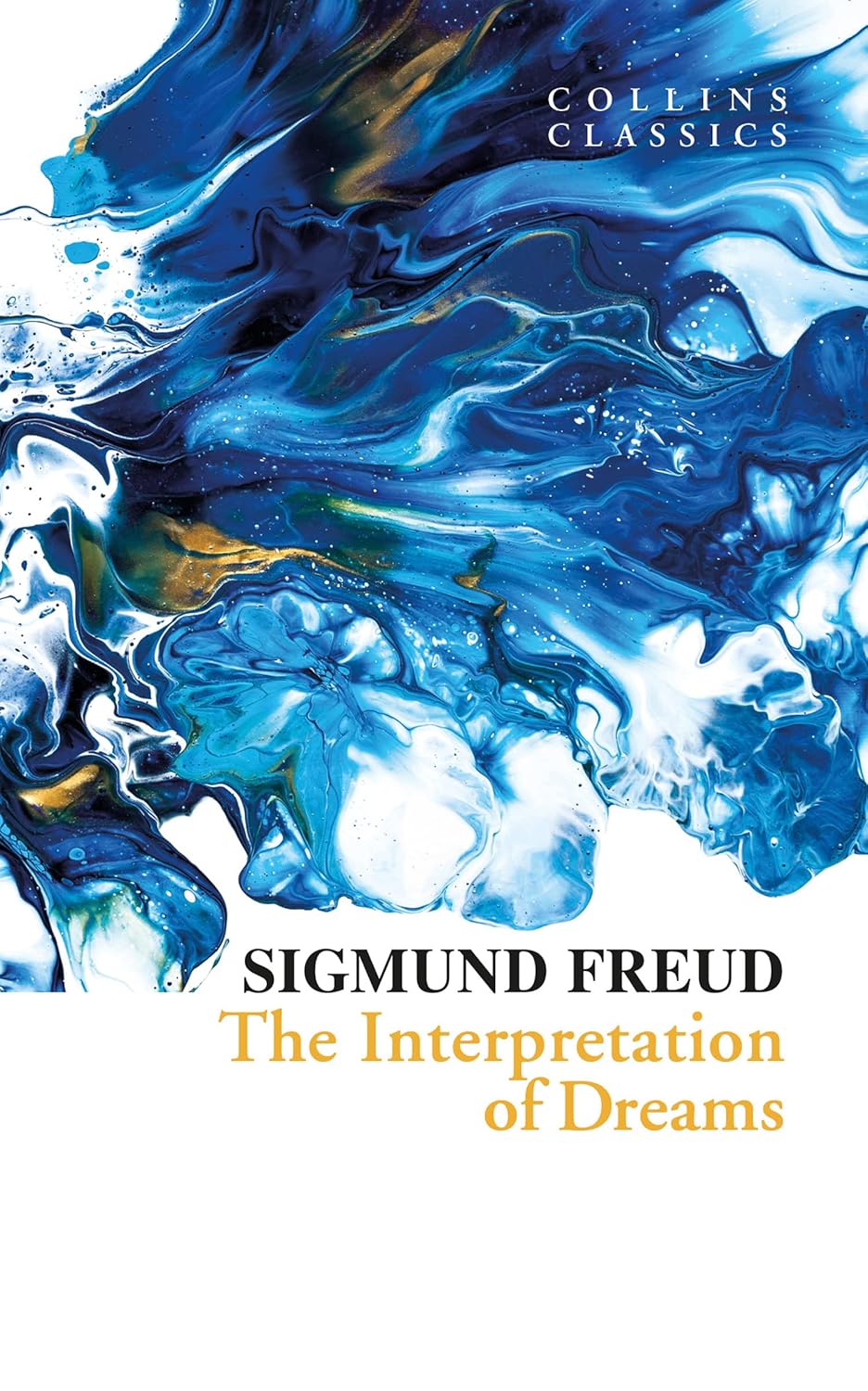
ReadSprintBooksThe Interpretation of DreamsThe Interpretation of Dreams Questions, Quiz, and Active Recall Prompts
The Interpretation of Dreams
The Interpretation of Dreams Questions, Quiz, and Active Recall Prompts

The Interpretation of Dreams Questions, Quiz, and Active Recall Prompts

by Sigmund Freud

Test your understanding of The Interpretation of Dreams by Sigmund Freud with quiz questions, active recall prompts, and related learning resources.

Reading without retrieval fades fast. Use these The Interpretation of Dreams questions and active recall prompts to pressure-test what you understood and keep the book usable later.

Built for retention

ReadSprint combines concise summaries, quizzes, active recall, and related reading paths so the useful part of the book is easier to keep.

Open full summary

7

Chapter summaries

5

Quiz questions

12

Key takeaways

6

Related books

Quiz questions

Question 1

According to Freud in The Interpretation of Dreams, what is the primary function of most dreams?

  • To fulfil an unconscious wish (wish-fulfilment)
  • To consolidate long-term memories
  • To simulate threats and prepare behavior
  • To replay recent sensory impressions exactly as experienced
Question 2

Which method did Freud recommend for uncovering the latent content of a dream?

  • Free association to elements of the dream
  • Literal interpretation of dream symbols
  • Hypnotic regression to the moment of dreaming
  • Physiological measurement of brain activity during sleep
Question 3

Which of the following is NOT one of the main operations of the 'dream-work' as Freud described it?

  • Condensation
  • Displacement
  • Representation
  • Projection
Question 4

From what sources did Freud say dreams commonly draw their material?

  • Recent impressions (day-residues) and deeper unconscious memories (including infantile experiences)
  • Only future anxieties and predictions
  • Only universal archetypal symbols independent of personal history
  • Only current sensory stimuli occurring during sleep
Question 5

What is 'secondary revision' in Freud's theory of dreams?

  • The final editing of the manifest dream to make it more coherent and story-like
  • The initial censorship that prevents unacceptable wishes appearing
  • A conscious effort after waking to change the remembered dream
  • A waking defense mechanism unrelated to dream formation

Active recall prompts

According to Freud in The Interpretation of Dreams, what is the primary function of most dreams?

Which method did Freud recommend for uncovering the latent content of a dream?

Which of the following is NOT one of the main operations of the 'dream-work' as Freud described it?

From what sources did Freud say dreams commonly draw their material?

What is the main idea of "Chapter I: The Scientific Literature on the Problems of the Dream", and how would you explain it without looking back?

What is the main idea of "Chapter II: The Method of Interpreting Dreams (Examples of Dreams)", and how would you explain it without looking back?

What is the main idea of "Chapter III: The Dream as the Fulfilment of a Wish", and how would you explain it without looking back?

What is the main idea of "Chapter IV: Distortion in Dreams — The Dream-Work", and how would you explain it without looking back?

Quiz checkpoints

Question 1

According to Freud in The Interpretation of Dreams, what is the primary function of most dreams?

Question 2

Which method did Freud recommend for uncovering the latent content of a dream?

Question 3

Which of the following is NOT one of the main operations of the 'dream-work' as Freud described it?

Practice retrieval

Key concepts

Chapter I: The Scientific Literature on the Problems of the Dream

Freud establishes the groundwork for a psychoanalytic method by critiquing earlier work and proposing psychology as central to dream interpretation; this frames contemporary debates about mind and meaning.

Chapter II: The Method of Interpreting Dreams (Examples of Dreams)

The chapter demonstrates a reproducible clinical technique for unlocking unconscious material, highlighting introspective and associative methods foundational to psychoanalysis.

Chapter III: The Dream as the Fulfilment of a Wish

This argument links dreams directly to unconscious motivation and repression, central to understanding human psychology and behavior.

Open concept map

Similar themes and topic pages

Use topic hubs and category pages to keep reading depth aligned with what this book is actually about.

Turn Reading Into Recall

Keep The Interpretation of Dreams review-ready instead of letting it fade.

This page is strongest when it becomes part of a review habit: save the summary, revisit the key takeaways, and use recall prompts before the next meeting, study block, or decision.

Save one strong takeaway instead of over-highlighting.
Use the questions page to test what actually stuck.
Return when the book becomes relevant again, not just when motivation is high.
See pricing
Get Book Review Notes

Get practical notes on remembering and reusing ideas from nonfiction books without building an overly heavy note system.

Retention workflow

Turn this page into a repeatable study loop

Move from summary to takeaways, test yourself with questions, revisit the concept map, and then continue into related books. That keeps The Interpretation of Dreamsconnected instead of turning into a one-time skim.

Frequently asked questions

Why use quiz questions for The Interpretation of Dreams?

Quiz-style recall is more durable than passive rereading because it forces you to retrieve the idea instead of merely recognizing it.

How should I answer active recall prompts?

Answer from memory first, then review the relevant chapter summary only after you have tried to explain the idea on your own.

What if I miss several questions about The Interpretation of Dreams?

That usually means the book needs a shorter review loop. Revisit the chapter summaries, keep only a few high-value takeaways, and test yourself again later.