ReadSprintBooksLimitlessLimitless Key Concepts and Core Ideas
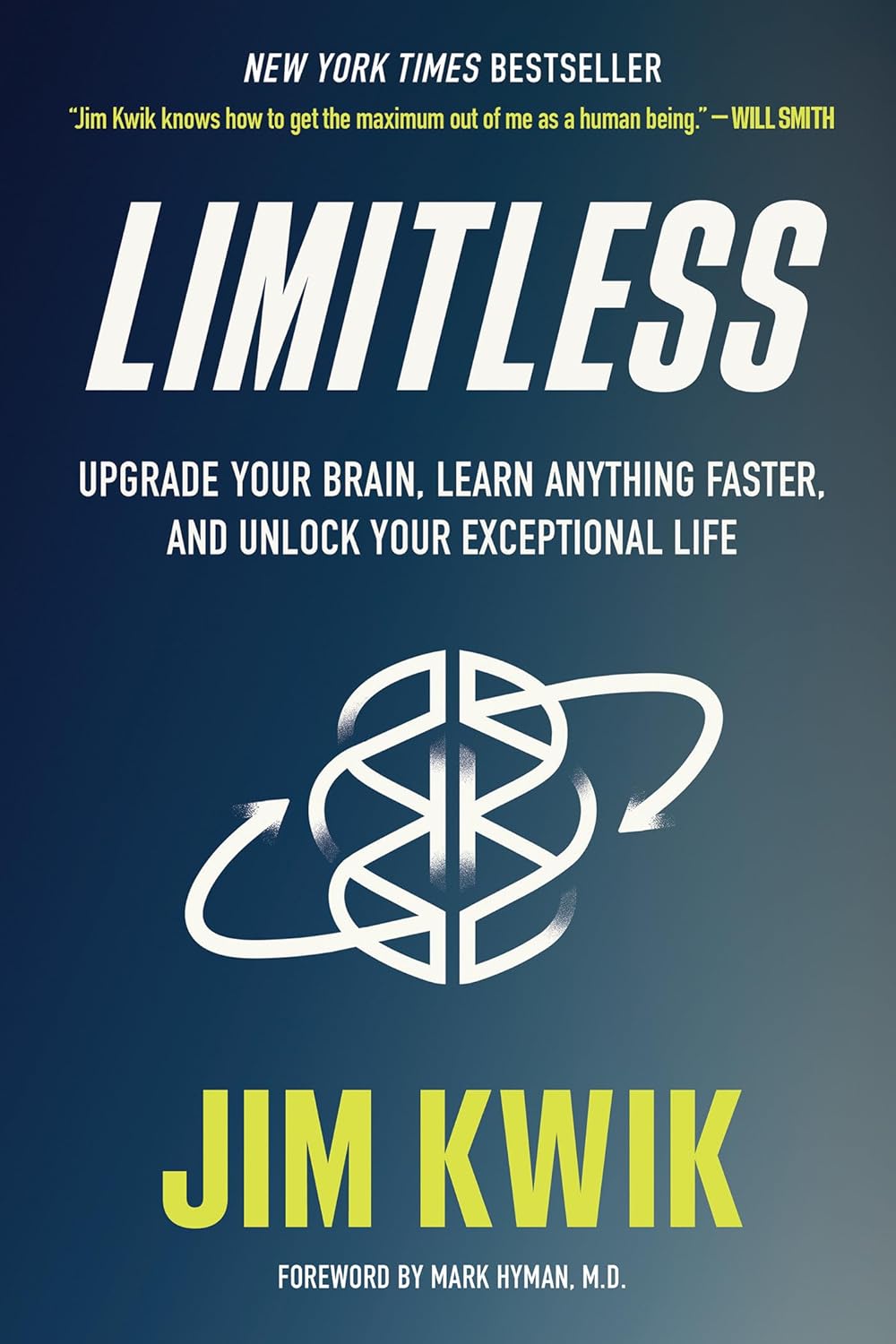
Limitless
Limitless Key Concepts and Core Ideas

Limitless Key Concepts and Core Ideas

by Jim Kwik

Understand the core concepts in Limitless by Jim Kwik, with explanations, recall prompts, related books, and connected learning paths.

This page isolates the core concepts carrying Limitless. Use it when you want to understand the book’s mental models, not just skim the chapter sequence.

Built for retention

ReadSprint combines concise summaries, quizzes, active recall, and related reading paths so the useful part of the book is easier to keep.

Open full summary

15

Chapter summaries

5

Quiz questions

12

Key takeaways

6

Related books

Concept map

These are the ideas doing most of the work inside Limitless. Study them as reusable mental models, then jump back into chapters or questions when you want more context.

Concept 1

Becoming Limitless

This chapter introduces the concept of being limitless, emphasizing the potential of the human brain to learn and grow beyond perceived limitations. Jim Kwik shares his personal story of overcoming a brain injury and how it led him to explore the capabilities of the mind.

Why it matters: The chapter sets the stage for the book by highlighting the theme of limitless potential and the importance of mindset in personal development.

Supporting points

  • The brain's potential is often underestimated.
  • Personal stories can inspire transformation.
  • Overcoming mental barriers is key to growth.
Active recall prompt

How does becoming limitless change the way you would explain or apply Limitless?

Related chapter

Chapter 1: Becoming Limitless

Concept 2

The Power of Belief

This chapter explores how beliefs shape our reality and influence our ability to learn and grow. Jim Kwik discusses the science behind belief systems and how they can be reprogrammed to support personal development.

Why it matters: Belief systems are central to the book's message, emphasizing the need to challenge and change limiting beliefs to achieve limitless growth.

Supporting points

  • Beliefs can limit or expand potential.
  • The brain is adaptable and can change.
  • Reprogramming beliefs is possible.
Active recall prompt

How does the power of belief change the way you would explain or apply Limitless?

Related chapter

Chapter 2: The Power of Belief

Concept 3

The Limitless Model

Jim Kwik introduces the Limitless Model, a framework for unlocking the brain's potential. The model consists of three key elements: Mindset, Motivation, and Methods, which work together to enhance learning and performance.

Why it matters: The chapter provides a practical framework for readers to apply the book's concepts, reinforcing the idea that limitless potential is achievable through structured approaches.

Supporting points

  • The Limitless Model consists of Mindset, Motivation, and Methods.
  • Each element is crucial for unlocking potential.
  • The synergy between the elements enhances learning.
Active recall prompt

How does the limitless model change the way you would explain or apply Limitless?

Related chapter

Chapter 3: The Limitless Model

Concept 4

Mindset: The Key to Limitless

This chapter delves into the first element of the Limitless Model: Mindset. Jim Kwik explains how a growth mindset can transform learning experiences and lead to greater achievements.

Why it matters: Mindset is a foundational theme in the book, emphasizing its role in achieving limitless potential and personal growth.

Supporting points

  • A growth mindset fosters learning and resilience.
  • Fixed mindsets hinder progress.
  • Strategies to cultivate a growth mindset.
Active recall prompt

How does mindset: the key to limitless change the way you would explain or apply Limitless?

Related chapter

Chapter 4: Mindset: The Key to Limitless

Concept 5

Motivation: The Drive to Learn

Jim Kwik explores the second element of the Limitless Model: Motivation. He discusses the importance of finding personal motivation and how it fuels the desire to learn and grow.

Why it matters: Motivation is a key driver in the pursuit of limitless potential, highlighting the need to understand and harness personal motivations.

Supporting points

  • Motivation is essential for sustained learning.
  • Personal motivation varies for each individual.
  • Techniques to discover and harness motivation.
Active recall prompt

How does motivation: the drive to learn change the way you would explain or apply Limitless?

Related chapter

Chapter 5: Motivation: The Drive to Learn

Concept 6

Methods: The Tools for Learning

This chapter focuses on the third element of the Limitless Model: Methods. Jim Kwik introduces various techniques and strategies to enhance learning and memory retention.

Why it matters: Methods are crucial for implementing the book's concepts, providing readers with practical tools to achieve limitless learning.

Supporting points

  • Effective methods enhance learning efficiency.
  • Techniques for memory improvement.
  • The role of practice and repetition.
Active recall prompt

How does methods: the tools for learning change the way you would explain or apply Limitless?

Related chapter

Chapter 6: Methods: The Tools for Learning

Concept 7

Focus: The Art of Concentration

Jim Kwik discusses the importance of focus and concentration in learning. He provides strategies to improve focus and explains how distractions can be managed to enhance productivity.

Why it matters: Focus is a recurring theme in the book, emphasizing its role in achieving limitless potential by enhancing learning and productivity.

Supporting points

  • Focus is essential for effective learning.
  • Strategies to improve concentration.
  • Managing distractions in a digital age.
Active recall prompt

How does focus: the art of concentration change the way you would explain or apply Limitless?

Related chapter

Chapter 7: Focus: The Art of Concentration

Concept 8

Study: The Science of Learning

This chapter explores the science behind effective studying techniques. Jim Kwik shares insights into how the brain learns and retains information, offering practical study strategies.

Why it matters: The chapter reinforces the book's focus on practical learning strategies, providing readers with tools to enhance their study habits.

Supporting points

  • Understanding how the brain learns.
  • Effective study techniques.
  • The role of repetition and review.
Active recall prompt

How does study: the science of learning change the way you would explain or apply Limitless?

Related chapter

Chapter 8: Study: The Science of Learning

Quiz checkpoints

Question 1

What is the main focus of Chapter 1?

Question 2

Which element is NOT part of the Limitless Model?

Question 3

What is emphasized as crucial for cognitive function in Chapter 13?

Practice retrieval

Key concepts

Becoming Limitless

The chapter sets the stage for the book by highlighting the theme of limitless potential and the importance of mindset in personal development.

The Power of Belief

Belief systems are central to the book's message, emphasizing the need to challenge and change limiting beliefs to achieve limitless growth.

The Limitless Model

The chapter provides a practical framework for readers to apply the book's concepts, reinforcing the idea that limitless potential is achievable through structured approaches.

Open concept map
Turn Reading Into Recall

Keep Limitless review-ready instead of letting it fade.

This page is strongest when it becomes part of a review habit: save the summary, revisit the key takeaways, and use recall prompts before the next meeting, study block, or decision.

Save one strong takeaway instead of over-highlighting.
Use the questions page to test what actually stuck.
Return when the book becomes relevant again, not just when motivation is high.
See pricing
Get Book Review Notes

Get practical notes on remembering and reusing ideas from nonfiction books without building an overly heavy note system.

Retention workflow

Turn this page into a repeatable study loop

Move from summary to takeaways, test yourself with questions, revisit the concept map, and then continue into related books. That keeps Limitlessconnected instead of turning into a one-time skim.

Frequently asked questions

What are the key concepts in Limitless?

The key concepts here are distilled from the chapter summaries, major themes, and action-oriented takeaways so you can quickly see the ideas carrying the whole book.

How should I study these Limitless concepts?

Start by explaining each concept from memory, connect it to a chapter or example, and then test yourself with one active recall prompt before moving on.

How are the concepts connected to other books?

Use the related books and topic links on this page to find books that reinforce, challenge, or extend the same ideas from a different angle.