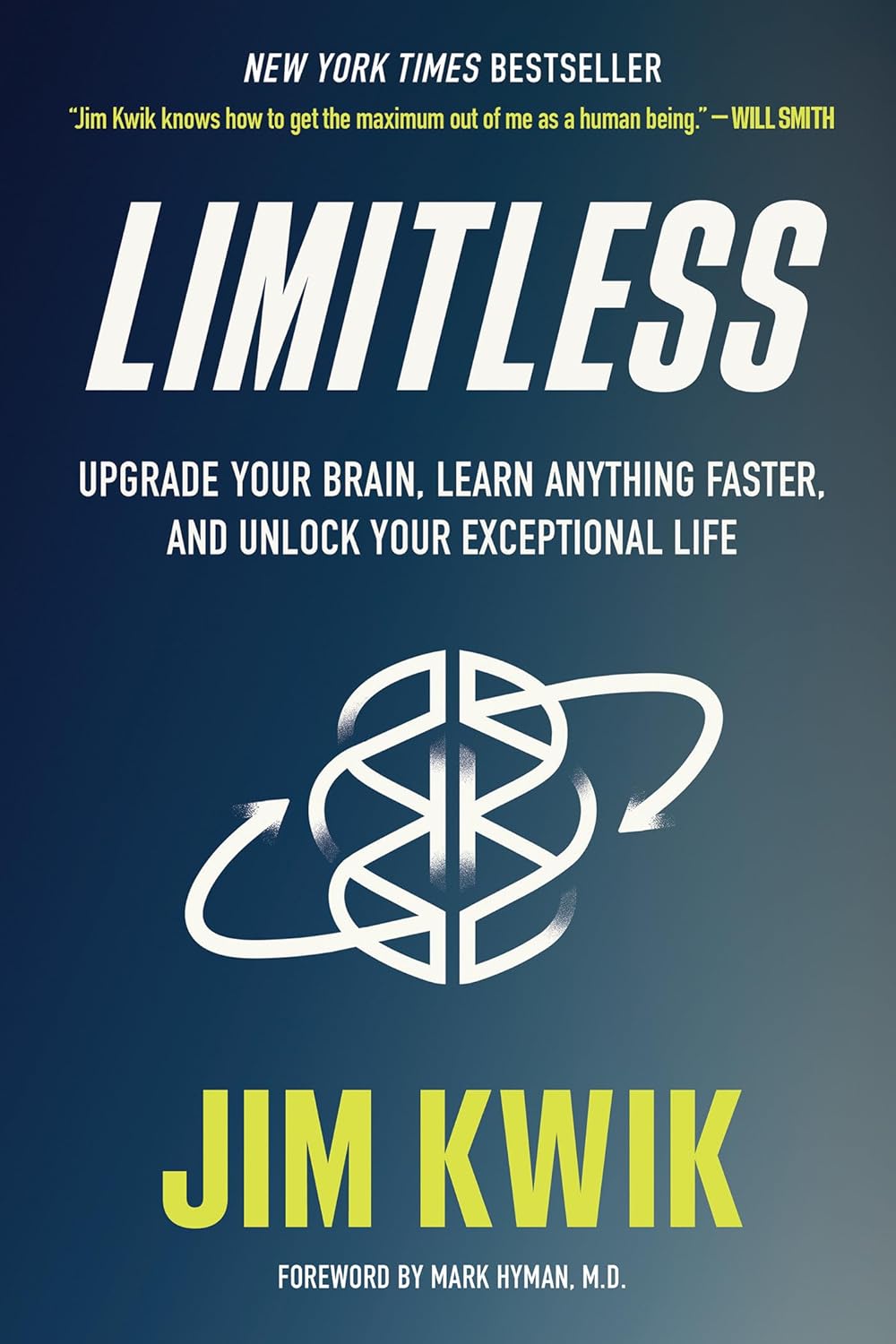
Chapter 1: Becoming Limitless
Summary:
This chapter introduces the concept of being limitless, emphasizing the potential of the human brain to learn and grow beyond perceived limitations. Jim Kwik shares his personal story of overcoming a brain injury and how it led him to explore the capabilities of the mind.
Key points:
- The brain's potential is often underestimated.
- Personal stories can inspire transformation.
- Overcoming mental barriers is key to growth.
- The importance of mindset in achieving goals.
Themes & relevance:
The chapter sets the stage for the book by highlighting the theme of limitless potential and the importance of mindset in personal development.
Takeaway / How to use:
Adopt a growth mindset to unlock your brain's full potential.
Key points
- The brain's potential is often underestimated.
- Personal stories can inspire transformation.
- Overcoming mental barriers is key to growth.
- The importance of mindset in achieving goals.
Chapter 2: The Power of Belief
Summary:
This chapter explores how beliefs shape our reality and influence our ability to learn and grow. Jim Kwik discusses the science behind belief systems and how they can be reprogrammed to support personal development.
Key points:
- Beliefs can limit or expand potential.
- The brain is adaptable and can change.
- Reprogramming beliefs is possible.
- The role of neuroplasticity in learning.
Themes & relevance:
Belief systems are central to the book's message, emphasizing the need to challenge and change limiting beliefs to achieve limitless growth.
Takeaway / How to use:
Challenge your limiting beliefs to foster personal growth.
Key points
- Beliefs can limit or expand potential.
- The brain is adaptable and can change.
- Reprogramming beliefs is possible.
- The role of neuroplasticity in learning.
Chapter 3: The Limitless Model
Summary:
Jim Kwik introduces the Limitless Model, a framework for unlocking the brain's potential. The model consists of three key elements: Mindset, Motivation, and Methods, which work together to enhance learning and performance.
Key points:
- The Limitless Model consists of Mindset, Motivation, and Methods.
- Each element is crucial for unlocking potential.
- The synergy between the elements enhances learning.
- Practical applications of the model.
Themes & relevance:
The chapter provides a practical framework for readers to apply the book's concepts, reinforcing the idea that limitless potential is achievable through structured approaches.
Takeaway / How to use:
Apply the Limitless Model to enhance your learning and performance.
Key points
- The Limitless Model consists of Mindset, Motivation, and Methods.
- Each element is crucial for unlocking potential.
- The synergy between the elements enhances learning.
- Practical applications of the model.
Chapter 4: Mindset: The Key to Limitless
Summary:
This chapter delves into the first element of the Limitless Model: Mindset. Jim Kwik explains how a growth mindset can transform learning experiences and lead to greater achievements.
Key points:
- A growth mindset fosters learning and resilience.
- Fixed mindsets hinder progress.
- Strategies to cultivate a growth mindset.
- The impact of mindset on success.
Themes & relevance:
Mindset is a foundational theme in the book, emphasizing its role in achieving limitless potential and personal growth.
Takeaway / How to use:
Cultivate a growth mindset to enhance your learning capabilities.
Key points
- A growth mindset fosters learning and resilience.
- Fixed mindsets hinder progress.
- Strategies to cultivate a growth mindset.
- The impact of mindset on success.
Chapter 5: Motivation: The Drive to Learn
Summary:
Jim Kwik explores the second element of the Limitless Model: Motivation. He discusses the importance of finding personal motivation and how it fuels the desire to learn and grow.
Key points:
- Motivation is essential for sustained learning.
- Personal motivation varies for each individual.
- Techniques to discover and harness motivation.
- The link between motivation and achievement.
Themes & relevance:
Motivation is a key driver in the pursuit of limitless potential, highlighting the need to understand and harness personal motivations.
Takeaway / How to use:
Identify and harness your personal motivation to drive learning.
Key points
- Motivation is essential for sustained learning.
- Personal motivation varies for each individual.
- Techniques to discover and harness motivation.
- The link between motivation and achievement.
Chapter 6: Methods: The Tools for Learning
Summary:
This chapter focuses on the third element of the Limitless Model: Methods. Jim Kwik introduces various techniques and strategies to enhance learning and memory retention.
Key points:
- Effective methods enhance learning efficiency.
- Techniques for memory improvement.
- The role of practice and repetition.
- Adapting methods to individual needs.
Themes & relevance:
Methods are crucial for implementing the book's concepts, providing readers with practical tools to achieve limitless learning.
Takeaway / How to use:
Utilize effective learning methods to improve memory and retention.
Key points
- Effective methods enhance learning efficiency.
- Techniques for memory improvement.
- The role of practice and repetition.
- Adapting methods to individual needs.
Chapter 7: Focus: The Art of Concentration
Summary:
Jim Kwik discusses the importance of focus and concentration in learning. He provides strategies to improve focus and explains how distractions can be managed to enhance productivity.
Key points:
- Focus is essential for effective learning.
- Strategies to improve concentration.
- Managing distractions in a digital age.
- The impact of focus on productivity.
Themes & relevance:
Focus is a recurring theme in the book, emphasizing its role in achieving limitless potential by enhancing learning and productivity.
Takeaway / How to use:
Improve your focus to enhance learning and productivity.
Key points
- Focus is essential for effective learning.
- Strategies to improve concentration.
- Managing distractions in a digital age.
- The impact of focus on productivity.
Chapter 8: Study: The Science of Learning
Summary:
This chapter explores the science behind effective studying techniques. Jim Kwik shares insights into how the brain learns and retains information, offering practical study strategies.
Key points:
- Understanding how the brain learns.
- Effective study techniques.
- The role of repetition and review.
- Adapting study methods to personal needs.
Themes & relevance:
The chapter reinforces the book's focus on practical learning strategies, providing readers with tools to enhance their study habits.
Takeaway / How to use:
Apply effective study techniques to improve learning outcomes.
Key points
- Understanding how the brain learns.
- Effective study techniques.
- The role of repetition and review.
- Adapting study methods to personal needs.
Chapter 9: Memory: Remembering What Matters
Summary:
Jim Kwik delves into the art of memory, explaining how to remember important information effectively. He introduces memory techniques that can be applied in various aspects of life.
Key points:
- Memory is a skill that can be developed.
- Techniques for improving memory retention.
- The importance of remembering key information.
- Practical applications of memory techniques.
Themes & relevance:
Memory is a central theme in the book, highlighting its importance in achieving limitless potential through effective information retention.
Takeaway / How to use:
Use memory techniques to retain important information effectively.
Key points
- Memory is a skill that can be developed.
- Techniques for improving memory retention.
- The importance of remembering key information.
- Practical applications of memory techniques.
Chapter 10: Speed Reading: Reading Faster, Learning More
Summary:
This chapter introduces speed reading techniques to enhance reading efficiency. Jim Kwik explains how to read faster while maintaining comprehension, allowing for more information to be absorbed in less time.
Key points:
- Speed reading increases reading efficiency.
- Techniques for improving reading speed.
- Balancing speed with comprehension.
- Practical applications of speed reading.
Themes & relevance:
Speed reading is a practical tool in the book's arsenal, enabling readers to process information quickly and efficiently.
Takeaway / How to use:
Practice speed reading to enhance reading efficiency and comprehension.
Key points
- Speed reading increases reading efficiency.
- Techniques for improving reading speed.
- Balancing speed with comprehension.
- Practical applications of speed reading.
Chapter 11: Thinking: The Art of Problem Solving
Summary:
Jim Kwik explores the art of thinking and problem-solving. He provides strategies to enhance critical thinking skills and explains how to approach problems creatively.
Key points:
- Critical thinking is essential for problem
- solving.
- Strategies to enhance thinking skills.
- The role of creativity in problem
- solving.
- Practical applications of critical thinking.
Themes & relevance:
Thinking and problem-solving are key themes, emphasizing their role in achieving limitless potential through enhanced cognitive abilities.
Takeaway / How to use:
Enhance your critical thinking skills to solve problems effectively.
Key points
- Critical thinking is essential for problem
- solving.
- Strategies to enhance thinking skills.
- The role of creativity in problem
- solving.
- Practical applications of critical thinking.
Chapter 12: Brain Food: Nutrition for the Mind
Summary:
This chapter discusses the importance of nutrition for brain health. Jim Kwik explains how certain foods can enhance cognitive function and support overall brain health.
Key points:
- Nutrition plays a vital role in brain health.
- Foods that enhance cognitive function.
- The impact of diet on mental performance.
- Practical dietary recommendations.
Themes & relevance:
Nutrition is a foundational theme, highlighting its importance in supporting the brain's limitless potential through proper diet.
Takeaway / How to use:
Incorporate brain-healthy foods into your diet to enhance cognitive function.
Key points
- Nutrition plays a vital role in brain health.
- Foods that enhance cognitive function.
- The impact of diet on mental performance.
- Practical dietary recommendations.
Chapter 13: Sleep: The Foundation of Learning
Summary:
Jim Kwik emphasizes the importance of sleep for learning and memory. He discusses how quality sleep enhances cognitive function and provides tips for improving sleep habits.
Key points:
- Sleep is crucial for cognitive function.
- The link between sleep and memory.
- Tips for improving sleep quality.
- The impact of sleep on learning.
Themes & relevance:
Sleep is a critical theme, underscoring its role in supporting limitless potential through enhanced cognitive abilities.
Takeaway / How to use:
Prioritize quality sleep to support learning and memory.
Key points
- Sleep is crucial for cognitive function.
- The link between sleep and memory.
- Tips for improving sleep quality.
- The impact of sleep on learning.
Chapter 14: Stress Management: Staying Calm Under Pressure
Summary:
This chapter explores stress management techniques to maintain calm and focus under pressure. Jim Kwik provides strategies to manage stress and enhance mental resilience.
Key points:
- Stress management is essential for mental resilience.
- Techniques to stay calm under pressure.
- The impact of stress on cognitive function.
- Practical stress management strategies.
Themes & relevance:
Stress management is a key theme, emphasizing its importance in maintaining mental resilience and achieving limitless potential.
Takeaway / How to use:
Practice stress management techniques to enhance mental resilience.
Key points
- Stress management is essential for mental resilience.
- Techniques to stay calm under pressure.
- The impact of stress on cognitive function.
- Practical stress management strategies.
Chapter 15: Limitless Life: Putting It All Together
Summary:
The final chapter synthesizes the book's concepts, encouraging readers to apply the Limitless Model in their daily lives. Jim Kwik provides a roadmap for living a limitless life by integrating mindset, motivation, and methods.
Key points:
- Integration of the Limitless Model.
- Practical applications in daily life.
- The journey to a limitless life.
- Encouragement to continue personal growth.
Themes & relevance:
The chapter ties together the book's themes, reinforcing the message that limitless potential is achievable through the integration of mindset, motivation, and methods.
Takeaway / How to use:
Apply the Limitless Model to live a limitless life.
Key points
- Integration of the Limitless Model.
- Practical applications in daily life.
- The journey to a limitless life.
- Encouragement to continue personal growth.