Takeaways people can pass on
These cards are tuned for social discoverability: one clean idea, one strong visual treatment, and one tap to share on mobile.
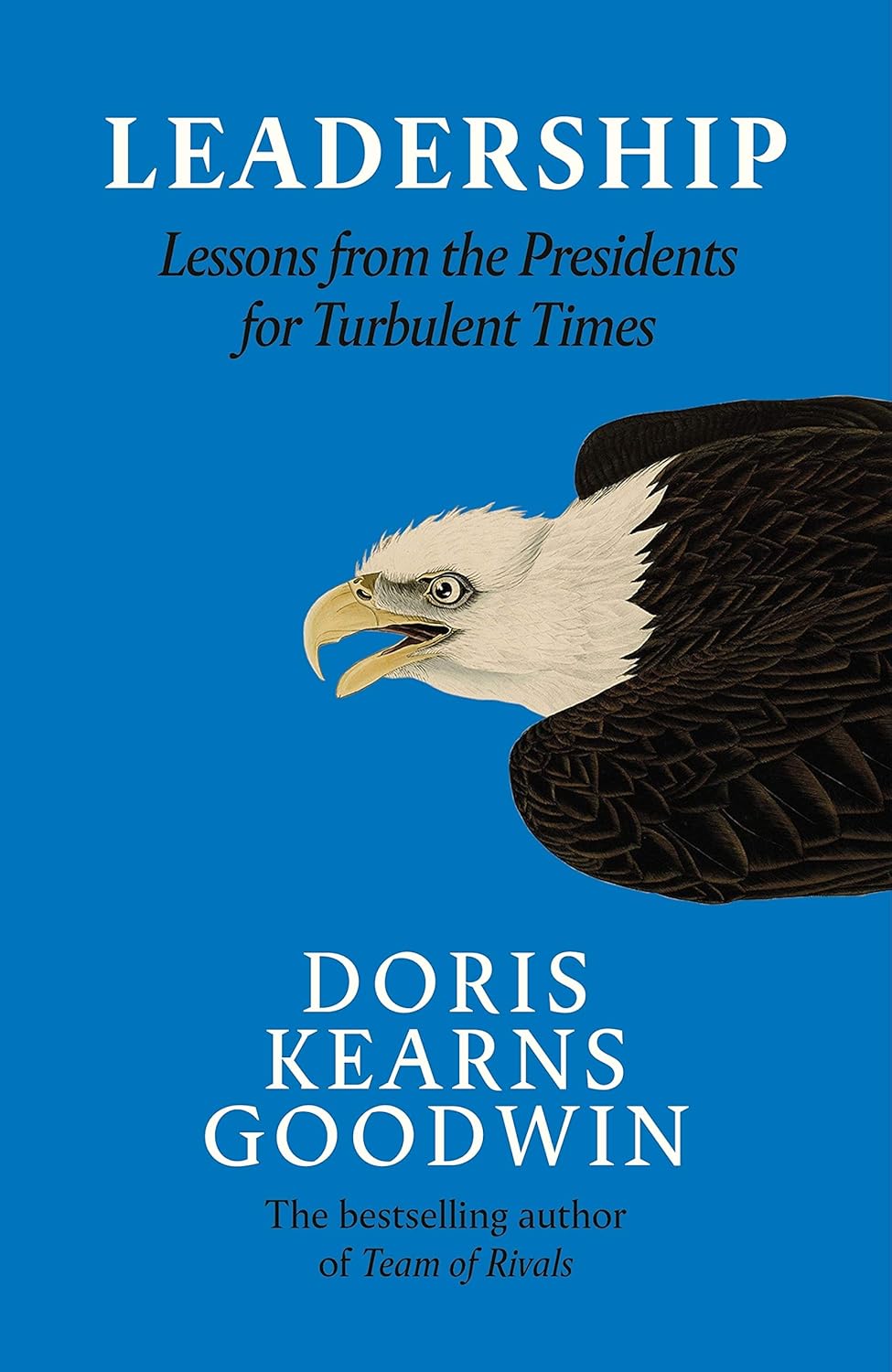
Leadership in Turbulent Times
by Doris Kearns Goodwin
Leadership is shaped over time by personal experience and crisis.
Turn the useful part of the book into something worth passing on.
Leadership is shaped over time by personal experience and crisis.
Share with the ReadSprint source so others can read the context.
Leadership in Turbulent Times
by Doris Kearns Goodwin
Effective leaders combine personal ambition with a sense of moral purpose.
Turn the useful part of the book into something worth passing on.
Effective leaders combine personal ambition with a sense of moral purpose.
Share with the ReadSprint source so others can read the context.
Leadership in Turbulent Times
by Doris Kearns Goodwin
Empathy and emotional intelligence enable leaders to connect and persuade.
Turn the useful part of the book into something worth passing on.
Empathy and emotional intelligence enable leaders to connect and persuade.
Share with the ReadSprint source so others can read the context.
Leadership in Turbulent Times
by Doris Kearns Goodwin
Building and managing a strong, diverse team is essential in crisis governance.
Turn the useful part of the book into something worth passing on.
Building and managing a strong, diverse team is essential in crisis governance.
Share with the ReadSprint source so others can read the context.
Leadership in Turbulent Times
by Doris Kearns Goodwin
Study leaders’ personal development and team choices to inform how you prepare for and respond to crises.
Turn the useful part of the book into something worth passing on.
Study leaders’ personal development and team choices to inform how you prepare for and respond to crises.
Share with the ReadSprint source so others can read the context.
Leadership in Turbulent Times
by Doris Kearns Goodwin
The introduction sets the analytic framework linking character formation to crisis performance, arguing that historical examples offer actionable lessons for contemporary leaders. These themes remain relevant for anyone facing organization…
Turn the useful part of the book into something worth passing on.
The introduction sets the analytic framework linking character formation to crisis performance, arguing that historical examples offer actionable lessons for contemporary leaders. These themes remain relevant for anyone facing organizational or national turbulence.
Share with the ReadSprint source so others can read the context.
Leadership in Turbulent Times
by Doris Kearns Goodwin
Doris Kearns Goodwin outlines her method of studying leadership by closely examining four American presidents who navigated major national crises. She introduces core leadership qualities—ambition, empathy, resilience, vision and the abili…
Turn the useful part of the book into something worth passing on.
Doris Kearns Goodwin outlines her method of studying leadership by closely examining four American presidents who navigated major national crises. She introduces core leadership qualities—ambition, empathy, resilience, vision and the ability to build effective teams—and frames the book around how those qualities were developed and exercised in turbulent times.
Share with the ReadSprint source so others can read the context.
Leadership in Turbulent Times
by Doris Kearns Goodwin
Lincoln’s formative years emphasized self
Turn the useful part of the book into something worth passing on.
Lincoln’s formative years emphasized self
Share with the ReadSprint source so others can read the context.
Leadership in Turbulent Times
by Doris Kearns Goodwin
reliance, reading, and moral reflection.
Turn the useful part of the book into something worth passing on.
reliance, reading, and moral reflection.
Share with the ReadSprint source so others can read the context.
Leadership in Turbulent Times
by Doris Kearns Goodwin
His law practice and storytelling sharpened skills in argument and persuasion.
Turn the useful part of the book into something worth passing on.
His law practice and storytelling sharpened skills in argument and persuasion.
Share with the ReadSprint source so others can read the context.
Leadership in Turbulent Times
by Doris Kearns Goodwin
The 1858 debates raised his national profile despite losing the Senate race.
Turn the useful part of the book into something worth passing on.
The 1858 debates raised his national profile despite losing the Senate race.
Share with the ReadSprint source so others can read the context.
Leadership in Turbulent Times
by Doris Kearns Goodwin
Lincoln’s ambition was coupled with a principled commitment to the Union and opposition to the expansion of slavery.
Turn the useful part of the book into something worth passing on.
Lincoln’s ambition was coupled with a principled commitment to the Union and opposition to the expansion of slavery.
Share with the ReadSprint source so others can read the context.