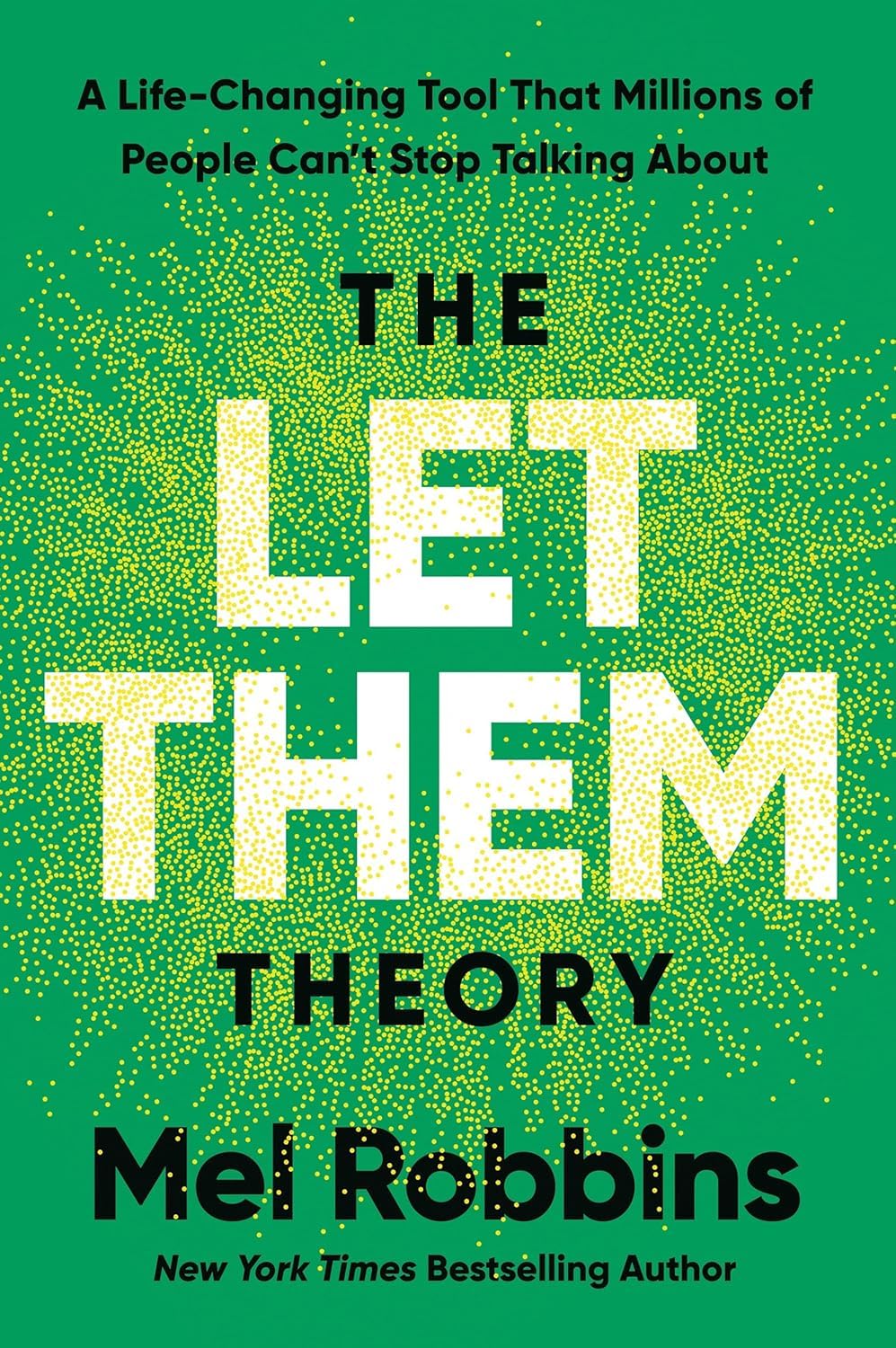
ReadSprintBooksThe Let Them TheoryThe Let Them Theory Key Concepts and Core Ideas
The Let Them Theory
The Let Them Theory Key Concepts and Core Ideas

The Let Them Theory Key Concepts and Core Ideas

by Mel Robbins and Sawyer Robbins

Understand the core concepts in The Let Them Theory by Mel Robbins and Sawyer Robbins, with explanations, recall prompts, related books, and connected learning paths.

This page isolates the core concepts carrying The Let Them Theory. Use it when you want to understand the book’s mental models, not just skim the chapter sequence.

Built for retention

ReadSprint combines concise summaries, quizzes, active recall, and related reading paths so the useful part of the book is easier to keep.

Open full summary

12

Chapter summaries

5

Quiz questions

12

Key takeaways

0

Related books

Concept map

These are the ideas doing most of the work inside The Let Them Theory. Study them as reusable mental models, then jump back into chapters or questions when you want more context.

Concept 1

Defines The Central Concept Of "let Them" As A Balance Between Nonattachment And Responsible Engagement

The Introduction presents the core premise of The Let Them Theory: that healthy relationships and personal growth stem from allowing people and circumstances to be as they are rather than forcing control. It outlines the book's structure and the practical mindset shifts readers will explore across subsequent chapters.

Why it matters: The introduction situates the theory in everyday contexts—work, family, and self-care—highlighting its relevance to modern stress and interpersonal conflicts. It prepares readers to practice letting go as a skill rather…

Supporting points

  • Defines the central concept of "let them" as a balance between nonattachment and responsible engagement.
  • Frames control, fear, and expectations as primary barriers to freedom and connection.
  • Introduces practical aims: clearer boundaries, increased trust, and adaptive acceptance.
Active recall prompt

How does defines the central concept of "let them" as a balance between nonattachment and responsible engagement change the way you would explain or apply The Let Them Theory?

Related chapter

Introduction

Concept 2

The Power of Letting Go

This chapter explores how releasing excessive control reduces anxiety and opens space for creativity and resilience. It presents psychological and practical reasons why letting go often leads to better results than micromanagement.

Why it matters: The theme centers on trade-offs between control and freedom, showing relevance for leaders, parents, and individuals seeking balance. The chapter links letting go to improved wellbeing and system adaptability.

Supporting points

  • Letting go reduces cognitive load and emotional reactivity.
  • It creates opportunities for others to contribute and learn, strengthening relationships.
  • Surrendering control can accelerate problem-solving by revealing alternative solutions.
Active recall prompt

How does the power of letting go change the way you would explain or apply The Let Them Theory?

Related chapter

Chapter 1: The Power of Letting Go

Concept 3

Understanding Your Limits

Chapter 2 examines personal limits—time, energy, competence—and how acknowledging them is a prerequisite for effective letting go. It argues that acceptance of limits enables clearer priorities and healthier boundaries.

Why it matters: The chapter emphasizes self-knowledge and realistic appraisal as foundations for sustainable relationships and work performance. Knowing limits reframes vulnerability as strategic, not weak.

Supporting points

  • Recognizing finite resources prevents burnout and resentment.
  • Clear limits help communicate realistic expectations to others.
  • Limits guide where to invest effort versus where to release control.
Active recall prompt

How does understanding your limits change the way you would explain or apply The Let Them Theory?

Related chapter

Chapter 2: Understanding Your Limits

Concept 4

The Art of Acceptance

This chapter defines acceptance as an active practice distinct from resignation, teaching how to recognize reality without surrendering agency. It offers techniques to shift from resistance to adaptive response.

Why it matters: Acceptance is presented as a pragmatic skill that improves decision-making and reduces wasted effort, relevant in conflict resolution and personal growth. The chapter links acceptance to increased mental clarity and com…

Supporting points

  • Acceptance is noticing facts without layering judgment or immediate corrective impulses.
  • Emotional regulation practices support accepting uncomfortable truths.
  • Acceptance clarifies when to act and when to conserve energy.
Active recall prompt

How does the art of acceptance change the way you would explain or apply The Let Them Theory?

Related chapter

Chapter 3: The Art of Acceptance

Concept 5

Embracing Change

Chapter 4 focuses on change as a constant and describes mindsets and rituals that help people move through transitions with less fear. It highlights how letting go is often the gateway to embracing new opportunities.

Why it matters: The theme is resilience: developing flexible systems and habits to thrive amid uncertainty, applicable to careers, relationships, and personal habits. Embracing change is linked to long-term growth and innovation.

Supporting points

  • Reframing change as information rather than threat reduces resistance.
  • Small experiments and iterative adjustments make change manageable.
  • Rituals and routines can anchor stability during periods of flux.
Active recall prompt

How does embracing change change the way you would explain or apply The Let Them Theory?

Related chapter

Chapter 4: Embracing Change

Concept 6

The Role of Trust

This chapter argues that trust—both in others and in life’s processes—is essential for effective letting go, and it explains how trust is built and eroded. It offers practical steps for cultivating trust without ignoring red flags.

Why it matters: Trust is framed as a social and internal resource that enables cooperation and reduces stress in relationships and organizations. The chapter helps readers balance openness with discernment.

Supporting points

  • Trust reduces the need for constant oversight and control.
  • Transparency, consistent behavior, and accountability are trust-builders.
  • Trust requires risk; assessing that risk thoughtfully allows prudent letting go.
Active recall prompt

How does the role of trust change the way you would explain or apply The Let Them Theory?

Related chapter

Chapter 5: The Role of Trust

Concept 7

Letting Others In

This chapter explores vulnerability and intimacy as necessary companions to letting go, showing how inviting others in creates mutual support and shared responsibility. It also addresses boundaries to prevent overdependence.

Why it matters: The chapter ties interpersonal openness to healthier teams and deeper personal relationships, emphasizing that mutual dependence can be a strength rather than a liability. It offers guidance on balancing closeness with…

Supporting points

  • Vulnerability fosters authentic connection and reciprocal problem-solving.
  • Clear boundaries ensure that letting others in does not become self-abandonment.
  • Effective communication skills enable safer sharing of needs and limits.
Active recall prompt

How does letting others in change the way you would explain or apply The Let Them Theory?

Related chapter

Chapter 6: Letting Others In

Concept 8

The Freedom of Choice

Chapter 7 reframes letting go as a series of conscious choices rather than passive surrender, highlighting agency in deciding what to hold and what to release. It encourages deliberate selection of commitments aligned with values.

Why it matters: The theme centers on empowered autonomy: true freedom comes from intentional choices about attachments and responsibilities. The chapter connects choice to long-term satisfaction and focus.

Supporting points

  • Letting go increases freedom to choose by clearing obligations that don’t serve you.
  • Values-based decision-making helps prioritize where to invest attention and care.
  • Regular reviews of commitments prevent accumulation of unnecessary burdens.
Active recall prompt

How does the freedom of choice change the way you would explain or apply The Let Them Theory?

Related chapter

Chapter 7: The Freedom of Choice

Quiz checkpoints

Question 1

What is the main concept of the Let Them Theory?

Question 2

What is a key benefit of acceptance according to the book?

Question 3

How can one identify personal triggers?

Practice retrieval

Key concepts

Defines The Central Concept Of "let Them" As A Balance Between Nonattachment And Responsible Engagement

The introduction situates the theory in everyday contexts—work, family, and self-care—highlighting its relevance to modern stress and interpersonal conflicts. It prepares readers to practice letting go as a skill rather…

The Power of Letting Go

The theme centers on trade-offs between control and freedom, showing relevance for leaders, parents, and individuals seeking balance. The chapter links letting go to improved wellbeing and system adaptability.

Understanding Your Limits

The chapter emphasizes self-knowledge and realistic appraisal as foundations for sustainable relationships and work performance. Knowing limits reframes vulnerability as strategic, not weak.

Open concept map

Author relationship system

Move from this author into connected writers, nearby themes, and any other books already in the ReadSprint library.

Similar themes and topic pages

Use topic hubs and category pages to keep reading depth aligned with what this book is actually about.

Turn Reading Into Recall

Keep The Let Them Theory review-ready instead of letting it fade.

This page is strongest when it becomes part of a review habit: save the summary, revisit the key takeaways, and use recall prompts before the next meeting, study block, or decision.

Save one strong takeaway instead of over-highlighting.
Use the questions page to test what actually stuck.
Return when the book becomes relevant again, not just when motivation is high.
See pricing
Get Book Review Notes

Get practical notes on remembering and reusing ideas from nonfiction books without building an overly heavy note system.

Retention workflow

Turn this page into a repeatable study loop

Move from summary to takeaways, test yourself with questions, revisit the concept map, and then continue into related books. That keeps The Let Them Theoryconnected instead of turning into a one-time skim.

Frequently asked questions

What are the key concepts in The Let Them Theory?

The key concepts here are distilled from the chapter summaries, major themes, and action-oriented takeaways so you can quickly see the ideas carrying the whole book.

How should I study these The Let Them Theory concepts?

Start by explaining each concept from memory, connect it to a chapter or example, and then test yourself with one active recall prompt before moving on.

How are the concepts connected to other books?

Use the related books and topic links on this page to find books that reinforce, challenge, or extend the same ideas from a different angle.