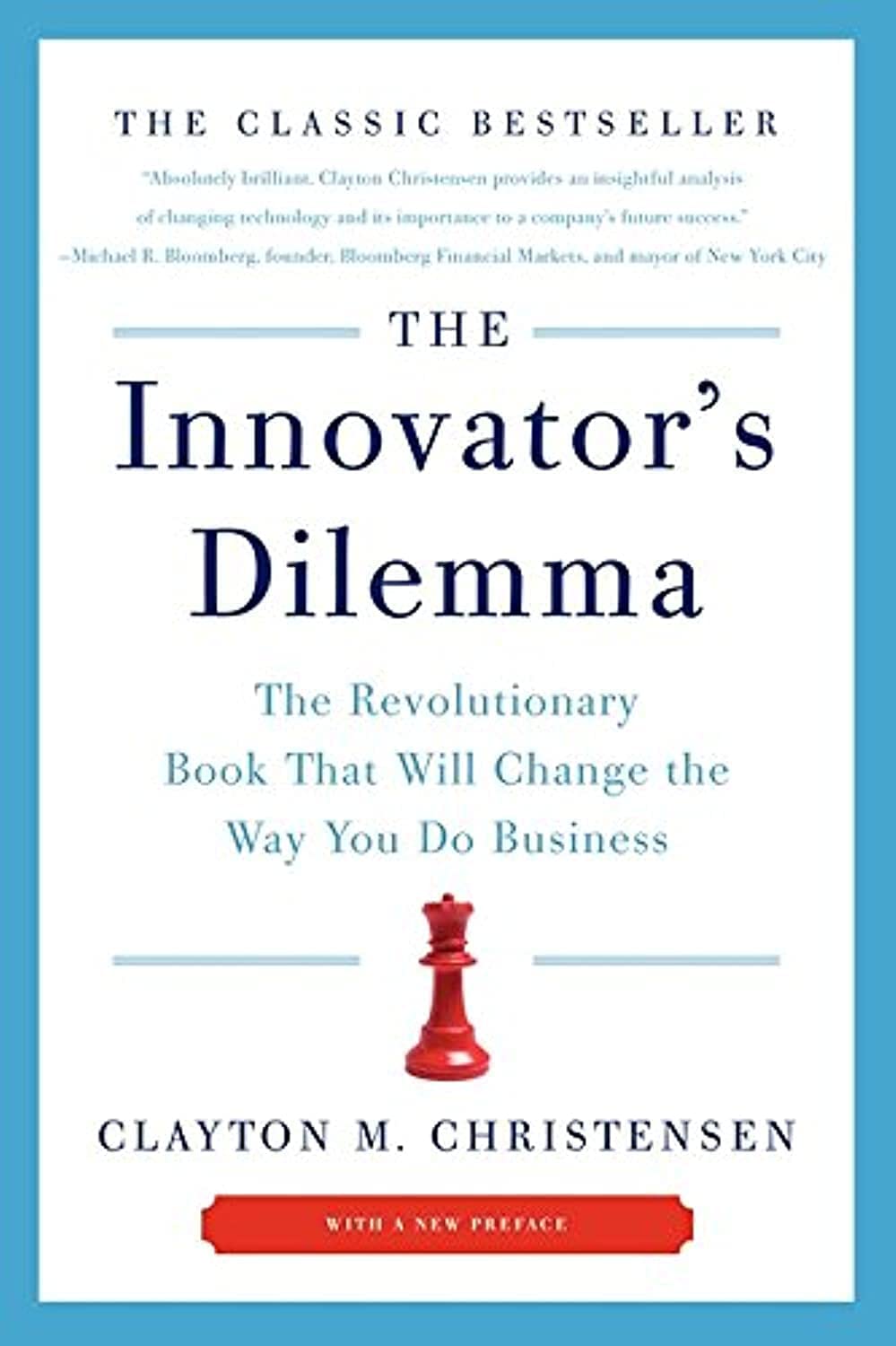
Chapter 1: How Can Great Firms Fail?
Summary:
This chapter introduces the concept of disruptive innovation and explains how established companies can fail despite doing everything right. It discusses the challenges of recognizing disruptive technologies and the reasons why successful firms often overlook them.
Key points:
- Disruptive innovations often start in niche markets.
- Established firms focus on sustaining innovations.
- Market leaders can miss emerging trends.
- Organizational structures hinder adaptability.
Themes & relevance:
The chapter sets the stage for understanding the paradox of success and failure in business. It highlights the importance of recognizing disruptive technologies to maintain competitive advantage.
Takeaway / How to use:
Stay alert to emerging technologies that may disrupt your industry.
Key points
- Disruptive innovations often start in niche markets.
- Established firms focus on sustaining innovations.
- Market leaders can miss emerging trends.
- Organizational structures hinder adaptability.
Chapter 2: Value Networks and the Role of Disruption
Summary:
This chapter delves into the concept of value networks and how they influence a company's ability to innovate. It explains how different value networks can lead to varying responses to disruptive technologies.
Key points:
- Value networks shape customer expectations.
- Disruption often comes from outside established networks.
- Companies must adapt to new value propositions.
- Understanding customer needs is crucial for innovation.
Themes & relevance:
The chapter emphasizes the significance of value networks in shaping business strategies. It illustrates how companies can leverage or be hindered by their existing networks.
Takeaway / How to use:
Analyze your value network to identify potential disruptions.
Key points
- Value networks shape customer expectations.
- Disruption often comes from outside established networks.
- Companies must adapt to new value propositions.
- Understanding customer needs is crucial for innovation.
Chapter 3: The Innovator's Solution
Summary:
This chapter presents strategies for companies to successfully navigate disruptive innovations. It introduces the concept of the "innovator's solution" and how firms can create new markets.
Key points:
- Innovators must focus on creating new markets.
- Understanding customer jobs is essential.
- Companies should experiment with new business models.
- Flexibility in strategy is key to success.
Themes & relevance:
The chapter provides actionable insights for companies facing disruption. It encourages a proactive approach to innovation rather than a reactive one.
Takeaway / How to use:
Develop a strategy that prioritizes innovation and market creation.
Key points
- Innovators must focus on creating new markets.
- Understanding customer jobs is essential.
- Companies should experiment with new business models.
- Flexibility in strategy is key to success.
Chapter 4: The Technology Adoption Life Cycle
Summary:
This chapter outlines the technology adoption life cycle and its implications for businesses. It explains how different customer segments adopt technology at varying rates and the importance of targeting the right segment.
Key points:
- Early adopters play a crucial role in technology adoption.
- Understanding customer segments helps in marketing strategies.
- Timing is critical for successful product launches.
- Companies must adapt to changing customer preferences.
Themes & relevance:
The chapter highlights the importance of timing and market segmentation in the adoption of new technologies. It underscores the need for businesses to align their strategies with customer behaviors.
Takeaway / How to use:
Identify and target early adopters to drive technology adoption.
Key points
- Early adopters play a crucial role in technology adoption.
- Understanding customer segments helps in marketing strategies.
- Timing is critical for successful product launches.
- Companies must adapt to changing customer preferences.
Chapter 5: Managing Disruptive Technologies
Summary:
This chapter discusses how companies can manage disruptive technologies within their organizations. It emphasizes the need for a dedicated approach to innovation and the establishment of separate units for disruptive projects.
Key points:
- Separate units can foster innovation.
- Leadership support is essential for disruptive projects.
- Companies must balance core and disruptive innovations.
- Metrics for success should differ for disruptive initiatives.
Themes & relevance:
The chapter focuses on organizational strategies for managing innovation. It highlights the importance of creating an environment conducive to disruptive thinking.
Takeaway / How to use:
Establish dedicated teams to explore disruptive technologies.
Key points
- Separate units can foster innovation.
- Leadership support is essential for disruptive projects.
- Companies must balance core and disruptive innovations.
- Metrics for success should differ for disruptive initiatives.
Chapter 6: The Role of Leadership in Innovation
Summary:
This chapter explores the critical role of leadership in fostering a culture of innovation. It discusses how leaders can influence organizational behavior and encourage innovative thinking.
Key points:
- Leadership sets the tone for innovation culture.
- Encouraging risk
- taking is vital for creativity.
- Leaders must communicate a clear vision.
- Recognition of innovative efforts boosts morale.
Themes & relevance:
The chapter emphasizes the influence of leadership on innovation. It illustrates how effective leaders can drive change and inspire teams to embrace new ideas.
Takeaway / How to use:
Cultivate a culture of innovation through strong leadership.
Key points
- Leadership sets the tone for innovation culture.
- Encouraging risk
- taking is vital for creativity.
- Leaders must communicate a clear vision.
- Recognition of innovative efforts boosts morale.
Chapter 7: The Importance of Experimentation
Summary:
This chapter highlights the significance of experimentation in the innovation process. It discusses how companies can use experimentation to test ideas and learn from failures.
Key points:
- Experimentation reduces the risk of failure.
- Learning from failures is crucial for innovation.
- Iterative processes lead to better outcomes.
- Companies should encourage a test
- and-learn mindset.
Themes & relevance:
The chapter underscores the value of experimentation in driving innovation. It encourages businesses to embrace a mindset of continuous learning and adaptation.
Takeaway / How to use:
Implement a culture of experimentation to foster innovation.
Key points
- Experimentation reduces the risk of failure.
- Learning from failures is crucial for innovation.
- Iterative processes lead to better outcomes.
- Companies should encourage a test
- and-learn mindset.
Chapter 8: Building a Sustainable Innovation Strategy
Summary:
This chapter discusses how companies can build a sustainable innovation strategy that aligns with their long-term goals. It emphasizes the need for a clear framework to guide innovation efforts.
Key points:
- A sustainable strategy balances short and long
- term goals.
- Innovation should align with company values.
- Continuous assessment of innovation efforts is necessary.
- Collaboration across departments enhances innovation.
Themes & relevance:
The chapter focuses on the integration of innovation into overall business strategy. It highlights the importance of sustainability in innovation efforts.
Takeaway / How to use:
Develop a clear framework for sustainable innovation.
Key points
- A sustainable strategy balances short and long
- term goals.
- Innovation should align with company values.
- Continuous assessment of innovation efforts is necessary.
- Collaboration across departments enhances innovation.
Chapter 9: Case Studies of Successful Innovations
Summary:
This chapter presents case studies of companies that successfully navigated disruptive innovations. It analyzes the strategies they employed and the lessons learned from their experiences.
Key points:
- Real
- world examples illustrate successful innovation strategies.
- Learning from others can inform your approach.
- Adaptability is key to success in innovation.
- Collaboration often leads to better outcomes.
Themes & relevance:
The chapter provides practical insights through real-world examples. It reinforces the importance of learning from both successes and failures in innovation.
Takeaway / How to use:
Study successful case studies to inform your innovation strategy.
Key points
- Real
- world examples illustrate successful innovation strategies.
- Learning from others can inform your approach.
- Adaptability is key to success in innovation.
- Collaboration often leads to better outcomes.
Chapter 10: The Future of Innovation
Summary:
This chapter looks ahead to the future of innovation and the challenges that companies may face. It discusses emerging trends and the importance of staying ahead of the curve.
Key points:
- Anticipating future trends is crucial for success.
- Companies must remain agile in their strategies.
- Innovation will continue to evolve with technology.
- Collaboration will be key in future innovations.
Themes & relevance:
The chapter emphasizes the need for foresight in innovation. It encourages businesses to remain proactive in adapting to future changes.
Takeaway / How to use:
Stay informed about emerging trends to remain competitive.
Key points
- Anticipating future trends is crucial for success.
- Companies must remain agile in their strategies.
- Innovation will continue to evolve with technology.
- Collaboration will be key in future innovations.