Takeaways people can pass on
These cards are tuned for social discoverability: one clean idea, one strong visual treatment, and one tap to share on mobile.
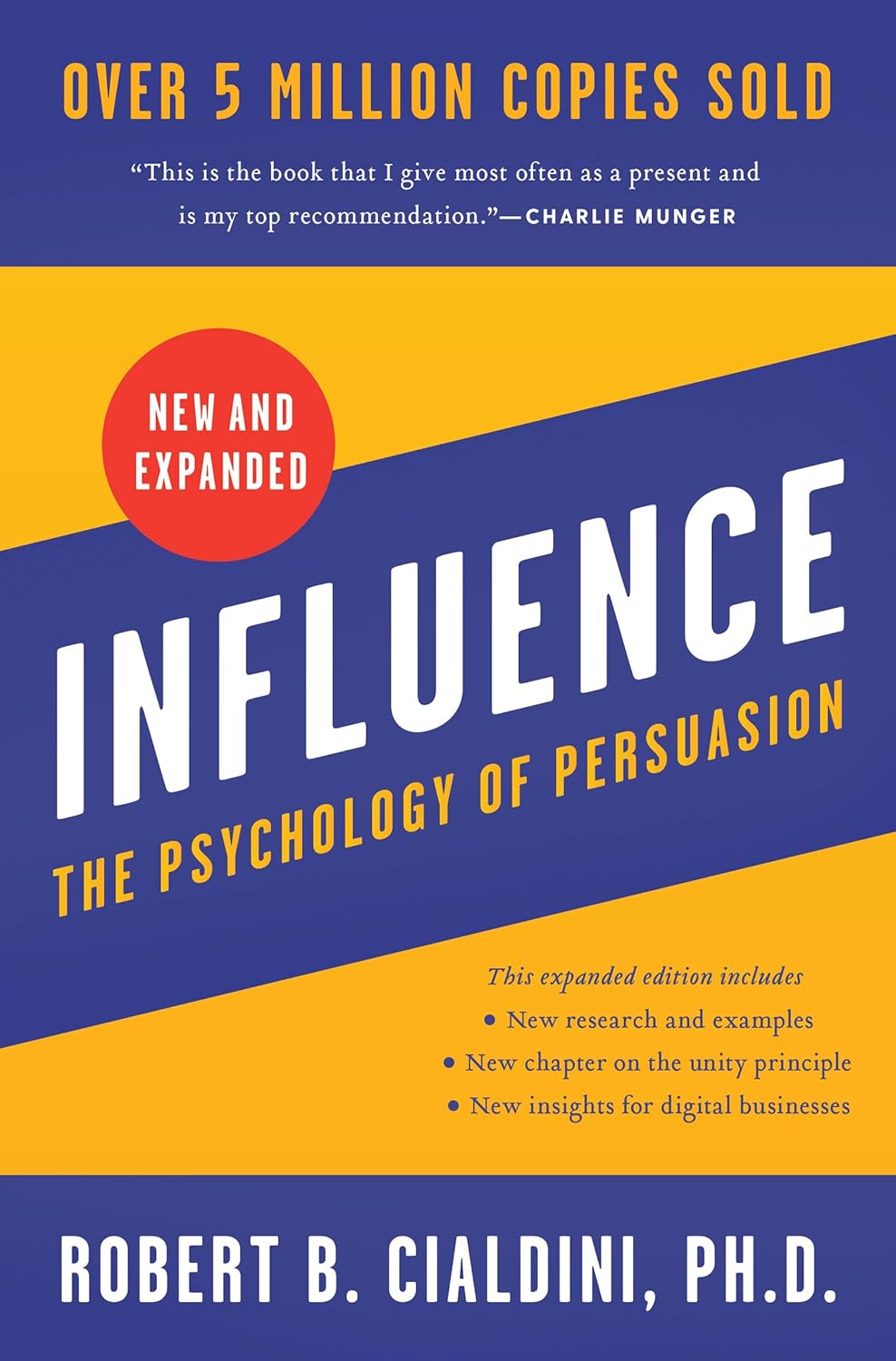
Influence: The Psychology of Persuasion
by Robert B. Cialdini, Ph.D.
People use automatic heuristics to conserve effort, responding to simple cues rather than full analysis.
Turn the useful part of the book into something worth passing on.
People use automatic heuristics to conserve effort, responding to simple cues rather than full analysis.
Share with the ReadSprint source so others can read the context.
Influence: The Psychology of Persuasion
by Robert B. Cialdini, Ph.D.
Trigger features (specific stimuli) reliably evoke preprogrammed responses (fixed
Turn the useful part of the book into something worth passing on.
Trigger features (specific stimuli) reliably evoke preprogrammed responses (fixed
Share with the ReadSprint source so others can read the context.
Influence: The Psychology of Persuasion
by Robert B. Cialdini, Ph.D.
action patterns).
Turn the useful part of the book into something worth passing on.
action patterns).
Share with the ReadSprint source so others can read the context.
Influence: The Psychology of Persuasion
by Robert B. Cialdini, Ph.D.
Compliance professionals exploit these shortcuts with predictable tactics and sequences.
Turn the useful part of the book into something worth passing on.
Compliance professionals exploit these shortcuts with predictable tactics and sequences.
Share with the ReadSprint source so others can read the context.
Influence: The Psychology of Persuasion
by Robert B. Cialdini, Ph.D.
Understanding these mechanisms helps recognize when one is being led into automatic compliance.
Turn the useful part of the book into something worth passing on.
Understanding these mechanisms helps recognize when one is being led into automatic compliance.
Share with the ReadSprint source so others can read the context.
Influence: The Psychology of Persuasion
by Robert B. Cialdini, Ph.D.
The chapter sets up the later discussion of specific principles (reciprocity, commitment, social proof, liking, authority, scarcity, unity).
Turn the useful part of the book into something worth passing on.
The chapter sets up the later discussion of specific principles (reciprocity, commitment, social proof, liking, authority, scarcity, unity).
Share with the ReadSprint source so others can read the context.
Influence: The Psychology of Persuasion
by Robert B. Cialdini, Ph.D.
Learn to spot trigger features and pause before responding to automatic cues.
Turn the useful part of the book into something worth passing on.
Learn to spot trigger features and pause before responding to automatic cues.
Share with the ReadSprint source so others can read the context.
Influence: The Psychology of Persuasion
by Robert B. Cialdini, Ph.D.
The chapter frames persuasion as largely driven by psychological shortcuts rather than rational deliberation, making the insights relevant to anyone who wants to resist manipulation or design ethical influence strategies. It emphasizes awa…
Turn the useful part of the book into something worth passing on.
The chapter frames persuasion as largely driven by psychological shortcuts rather than rational deliberation, making the insights relevant to anyone who wants to resist manipulation or design ethical influence strategies. It emphasizes awareness of context and cues that elicit automatic responses.
Share with the ReadSprint source so others can read the context.
Influence: The Psychology of Persuasion
by Robert B. Cialdini, Ph.D.
Robert Cialdini introduces the idea that humans rely on automatic mental shortcuts—fixed-action patterns or "click, whirr" responses—that simplify decision making and make people vulnerable to manipulation. He outlines how specific trigger…
Turn the useful part of the book into something worth passing on.
Robert Cialdini introduces the idea that humans rely on automatic mental shortcuts—fixed-action patterns or "click, whirr" responses—that simplify decision making and make people vulnerable to manipulation. He outlines how specific trigger features and trained responses can produce predictable compliance without thoughtful analysis.
Share with the ReadSprint source so others can read the context.
Influence: The Psychology of Persuasion
by Robert B. Cialdini, Ph.D.
Reciprocity is a powerful, nearly universal social norm that obliges repayment of favors.
Turn the useful part of the book into something worth passing on.
Reciprocity is a powerful, nearly universal social norm that obliges repayment of favors.
Share with the ReadSprint source so others can read the context.
Influence: The Psychology of Persuasion
by Robert B. Cialdini, Ph.D.
Uninvited gifts or concessions create an obligation and increase compliance with requests.
Turn the useful part of the book into something worth passing on.
Uninvited gifts or concessions create an obligation and increase compliance with requests.
Share with the ReadSprint source so others can read the context.
Influence: The Psychology of Persuasion
by Robert B. Cialdini, Ph.D.
Techniques such as the "door
Turn the useful part of the book into something worth passing on.
Techniques such as the "door
Share with the ReadSprint source so others can read the context.