Quiz questions
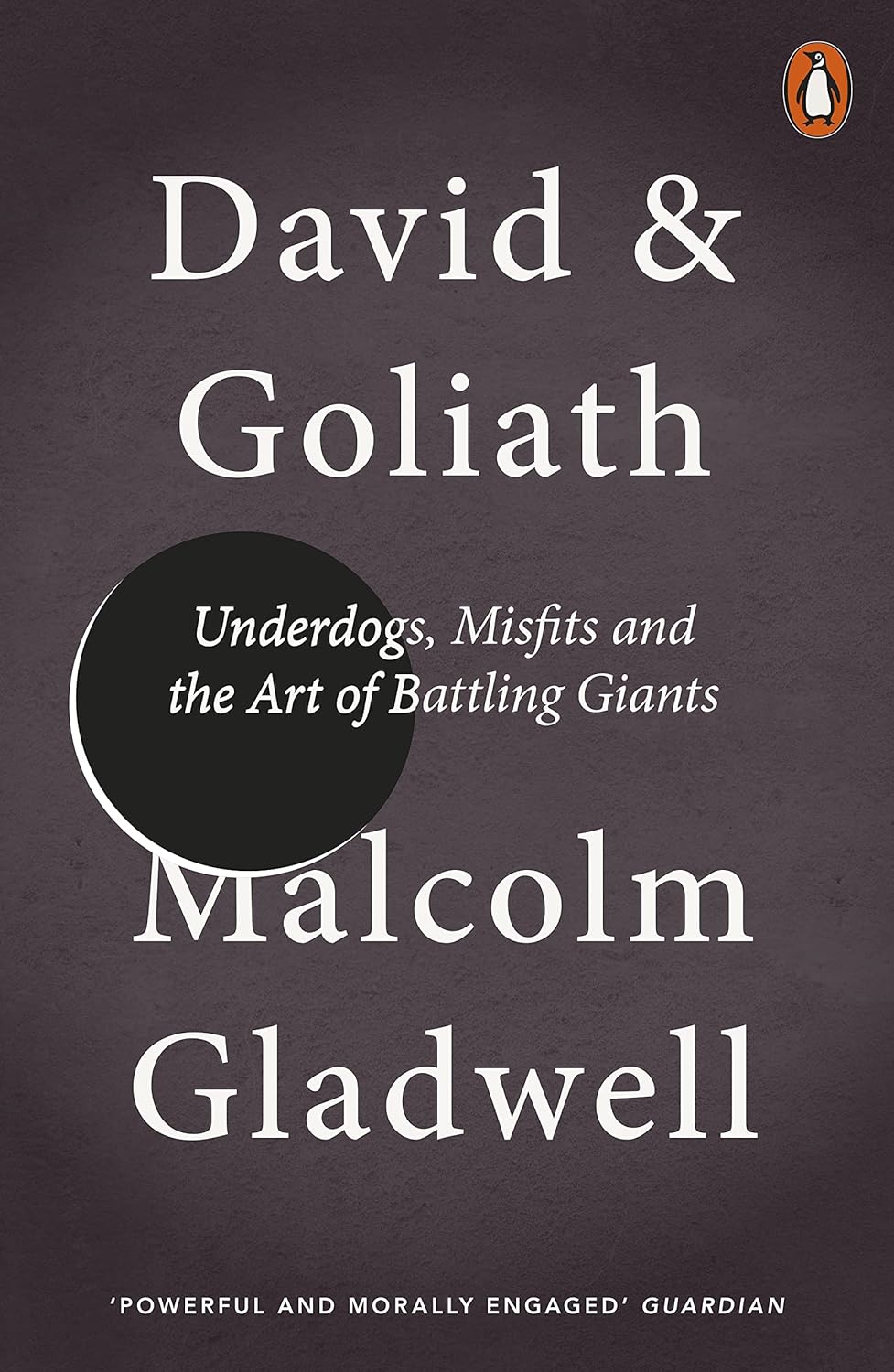
What central claim does Gladwell make using the biblical story of David and Goliath?
- Strength always guarantees victory.
- Apparent strength can hide weaknesses and apparent weakness can be an advantage.
- David won solely because of divine intervention.
- Goliath was actually weaker than described.
The "theory of desirable difficulty" in the book argues which of the following?
- Obstacles always hinder success.
- Certain hardships can produce unexpected advantages and skills that help later.
- Removing all difficulties is the best way to ensure success.
- Only innate talent, not hardship, shapes outcomes.
Which paradox about advantages and disadvantages does Gladwell highlight?
- Wealth always prevents mistakes.
- Being larger or more powerful always means greater resilience.
- Privilege or apparent advantage can create fragility, complacency, or poor decision-making.
- Disadvantages never lead to innovation.
According to Gladwell, what quality in authority figures produces the most cooperation?
- Greater use of coercive force.
- Perceived legitimacy and fair treatment.
- Strict surveillance and punishment.
- Absolute, unquestioned power.
What strategy does Gladwell recommend for underdogs facing much stronger opponents?
- Meet giants with equal brute force.
- Use unconventional tactics, change the terms of engagement, and exploit opponents' blind spots.
- Avoid confrontation entirely and wait for opponents to weaken.
- Rely only on conventional rules and hope for the best.
Active recall prompts
What central claim does Gladwell make using the biblical story of David and Goliath?
The "theory of desirable difficulty" in the book argues which of the following?
Which paradox about advantages and disadvantages does Gladwell highlight?
According to Gladwell, what quality in authority figures produces the most cooperation?
What is the main idea of "Goliath", and how would you explain it without looking back?
What is the main idea of "The Theory of Desirable Difficulty", and how would you explain it without looking back?
What is the main idea of "The Advantages of Disadvantages (and the Disadvantages of Advantages)", and how would you explain it without looking back?
What is the main idea of "Legitimacy and Authority", and how would you explain it without looking back?