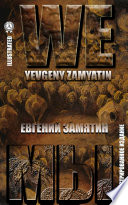
ReadSprintBooksМы (We)Мы (We) Key Concepts and Core Ideas
Мы (We)
Мы (We) Key Concepts and Core Ideas

Мы (We) Key Concepts and Core Ideas

by Евгений Замятин (Yevgeny Zamyatin)

Understand the core concepts in Мы (We) by Евгений Замятин (Yevgeny Zamyatin), with explanations, recall prompts, related books, and connected learning paths.

This page isolates the core concepts carrying Мы (We). Use it when you want to understand the book’s mental models, not just skim the chapter sequence.

Built for retention

ReadSprint combines concise summaries, quizzes, active recall, and related reading paths so the useful part of the book is easier to keep.

Open full summary

10

Chapter summaries

5

Quiz questions

12

Key takeaways

0

Related books

Concept map

These are the ideas doing most of the work inside Мы (We). Study them as reusable mental models, then jump back into chapters or questions when you want more context.

Concept 1

The Table

The protagonist, D-503, introduces the reader to the One State, a totalitarian society where every aspect of life is regulated by the Table of Hours. He begins his journal, which is intended to be part of a mission to spread the One State's ideology to other planets.

Why it matters: This chapter sets the stage for the exploration of individuality versus collectivism, a central theme in the book.

Supporting points

  • Introduction to the One State
  • The Table of Hours as a tool of control
  • D
Active recall prompt

How does the table change the way you would explain or apply Мы (We)?

Related chapter

Chapter 1: The Table

Concept 2

The Benefactor

D-503 describes the Benefactor, the leader of the One State, who is revered as a god like figure. The Benefactor's role is to maintain order and ensure the happiness of the citizens through strict control.

Why it matters: This chapter highlights the theme of power and control, questioning the cost of happiness in a controlled society.

Supporting points

  • The Benefactor's god
  • like status
  • The concept of happiness through control
Active recall prompt

How does the benefactor change the way you would explain or apply Мы (We)?

Related chapter

Chapter 2: The Benefactor

Concept 3

The Wall

D-503 reflects on the Green Wall that separates the One State from the untamed world outside. The Wall symbolizes the boundary between order and chaos, civilization and nature.

Why it matters: The Wall represents the conflict between the known and the unknown, a recurring theme in dystopian literature.

Supporting points

  • The Green Wall as a symbol
  • The separation of the One State from nature
  • D
Active recall prompt

How does the wall change the way you would explain or apply Мы (We)?

Related chapter

Chapter 3: The Wall

Concept 4

I-330

D-503 meets I 330, a woman who challenges his beliefs and introduces him to forbidden ideas. Her influence begins to awaken doubts in D-503 about the One State's ideology.

Why it matters: This chapter introduces the theme of rebellion and the power of individual influence.

Supporting points

  • Introduction of I
  • 330
  • I
Active recall prompt

How does i-330 change the way you would explain or apply Мы (We)?

Related chapter

Chapter 4: I-330

Concept 5

The Ancient House

D-503 visits the Ancient House, a relic from the past that contrasts sharply with the sterile environment of the One State. The visit stirs feelings of nostalgia and curiosity in D 503.

Why it matters: The chapter explores the theme of history and memory, emphasizing the importance of understanding the past.

Supporting points

  • The Ancient House as a symbol of the past
  • Contrast between past and present
  • D
Active recall prompt

How does the ancient house change the way you would explain or apply Мы (We)?

Related chapter

Chapter 5: The Ancient House

Concept 6

The Operation

The One State plans to perform an operation to remove the imagination from its citizens, ensuring complete control. D-503 is initially supportive but begins to question its morality.

Why it matters: This chapter delves into the theme of control versus freedom, questioning the morality of sacrificing individuality for order.

Supporting points

  • The operation to remove imagination
  • D
  • 503's internal conflict
Active recall prompt

How does the operation change the way you would explain or apply Мы (We)?

Related chapter

Chapter 6: The Operation

Concept 7

The Rebellion

D-503 becomes involved in a rebellion against the One State, led by I 330. His involvement marks a turning point in his journey from conformity to self-awareness.

Why it matters: The chapter emphasizes the theme of rebellion and the fight for individuality.

Supporting points

  • D
  • 503's involvement in the rebellion
  • I
Active recall prompt

How does the rebellion change the way you would explain or apply Мы (We)?

Related chapter

Chapter 7: The Rebellion

Concept 8

The Trial

D-503 is put on trial for his involvement in the rebellion. The trial exposes the harsh realities of the One State's justice system and the consequences of dissent.

Why it matters: This chapter explores the theme of justice and the cost of dissent in a totalitarian regime.

Supporting points

  • The trial as a tool of control
  • The consequences of rebellion
  • D
Active recall prompt

How does the trial change the way you would explain or apply Мы (We)?

Related chapter

Chapter 8: The Trial

Quiz checkpoints

Question 1

What is the primary function of the Table of Hours in the One State?

Question 2

Who is the leader of the One State?

Question 3

What does the Green Wall symbolize?

Practice retrieval

Key concepts

The Table

This chapter sets the stage for the exploration of individuality versus collectivism, a central theme in the book.

The Benefactor

This chapter highlights the theme of power and control, questioning the cost of happiness in a controlled society.

The Wall

The Wall represents the conflict between the known and the unknown, a recurring theme in dystopian literature.

Open concept map

Author relationship system

Move from this author into connected writers, nearby themes, and any other books already in the ReadSprint library.

Similar themes and topic pages

Use topic hubs and category pages to keep reading depth aligned with what this book is actually about.

Turn Reading Into Recall

Keep Мы (We) review-ready instead of letting it fade.

This page is strongest when it becomes part of a review habit: save the summary, revisit the key takeaways, and use recall prompts before the next meeting, study block, or decision.

Save one strong takeaway instead of over-highlighting.
Use the questions page to test what actually stuck.
Return when the book becomes relevant again, not just when motivation is high.
See pricing
Get Book Review Notes

Get practical notes on remembering and reusing ideas from nonfiction books without building an overly heavy note system.

Retention workflow

Turn this page into a repeatable study loop

Move from summary to takeaways, test yourself with questions, revisit the concept map, and then continue into related books. That keeps Мы (We)connected instead of turning into a one-time skim.

Frequently asked questions

What are the key concepts in Мы (We)?

The key concepts here are distilled from the chapter summaries, major themes, and action-oriented takeaways so you can quickly see the ideas carrying the whole book.

How should I study these Мы (We) concepts?

Start by explaining each concept from memory, connect it to a chapter or example, and then test yourself with one active recall prompt before moving on.

How are the concepts connected to other books?

Use the related books and topic links on this page to find books that reinforce, challenge, or extend the same ideas from a different angle.