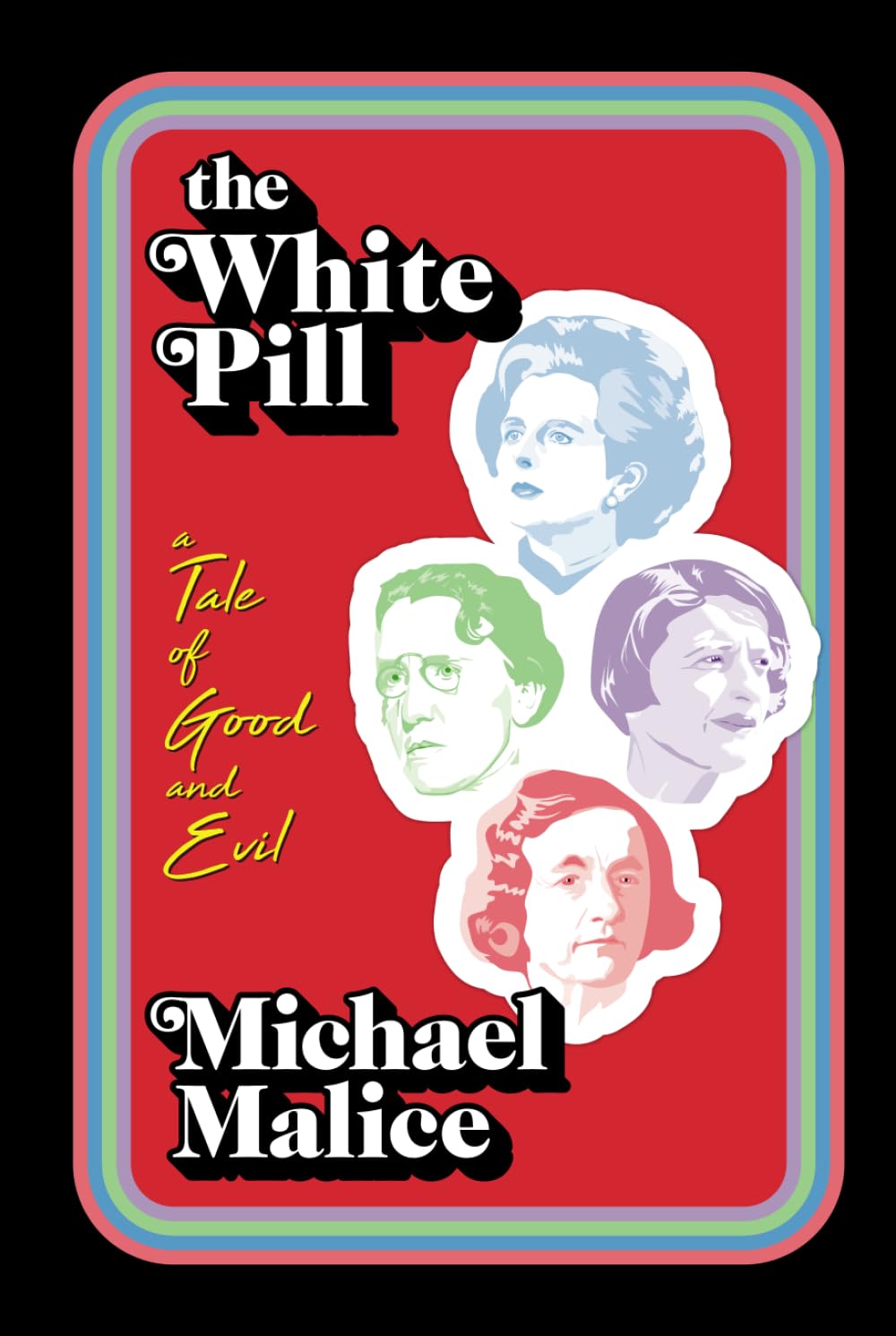
Chapter 1: The White Pill
Summary:
In the opening chapter the protagonistdiscovers a small white pill that promises an unclear power and forces an immediate moral choice. The discovery sets the story's central motif: an object that can amplify both good intentions and darker impulses.
Key points:
- The white pill is introduced as a mysterious catalyst that will drive events.
- The protagonist's immediate reaction reveals core values and fears.
- A hint of the wider conflict (social and personal) is established.
- The pill functions as both literal object and moral symbol.
Themes & relevance:
This chapter frames themes of choice, temptation, and agency, showing how a single decision can pivot a life and reflect broader ethical dilemmas.
Takeaway / How to use:
Notice how small, ambiguous choices can reveal priorities and shape future actions.
Key points
- The white pill is introduced as a mysterious catalyst that will drive events.
- The protagonist's immediate reaction reveals core values and fears.
- A hint of the wider conflict (social and personal) is established.
- The pill functions as both literal object and moral symbol.
Chapter 2: The Nature of Evil
Summary:
The narrative examines what 'evil' means through conversations, flashbacks, and examples that blur tidy moral categories. The chapter argues that evil can be systemic, personal, and sometimes seductive, preparing the reader to see characters' motives more complexly.
Key points:
- Evil is portrayed as multifaceted: intent, consequence, and structure matter.
- Personal anecdote or flashback shows how small compromises escalate.
- A secondary characteroffers a counterpoint, insisting on clear accountability.
- The white pill's role in amplifying tendencies is theorized.
Themes & relevance:
By probing definitions of wrongdoing, the chapter encourages readers to question simple binaries and to consider context and responsibility.
Takeaway / How to use:
Reflect on how systems and personal choices interact when judging actions.
Key points
- Evil is portrayed as multifaceted: intent, consequence, and structure matter.
- Personal anecdote or flashback shows how small compromises escalate.
- A secondary characteroffers a counterpoint, insisting on clear accountability.
- The white pill's role in amplifying tendencies is theorized.
Chapter 3: The Good
Summary:
This chapter spotlights characters and actions that embody compassion, courage, and repair, juxtaposing them against the lure of the pill. It shows concrete examples of positive choices and how they ripple outward in a community.
Key points:
- Several acts of altruism illustrate what ‘‘good’’ accomplishes in practice.
- The protagonist sees models of moral behavior and is tempted to emulate them.
- The social effects of goodness—trust, cooperation, healing—are highlighted.
- The white pill is tested against these values, revealing tension.
Themes & relevance:
Goodness is presented not as passive virtue but as active, sometimes costly work that counters destructive forces.
Takeaway / How to use:
Choose one small, concrete act of kindness to practice and observe its effects.
Key points
- Several acts of altruism illustrate what ‘‘good’’ accomplishes in practice.
- The protagonist sees models of moral behavior and is tempted to emulate them.
- The social effects of goodness—trust, cooperation, healing—are highlighted.
- The white pill is tested against these values, revealing tension.
Chapter 4: The Bad
Summary:
Chapter four examines characters and forces that exploit fear, selfishness, and opportunity, detailing how harm spreads through cynicism and manipulation. The white pill becomes a tool or excuse for those who already lean toward self-interest.
Key points:
- Examples of manipulation and cruelty show the mechanisms of harm.
- The chapter traces incentives that push people toward harmful choices.
- A rival or antagonist leverages the white pill for control.
- Consequences for victims and bystanders are made explicit.
Themes & relevance:
The chapter underscores that ‘‘bad’’ often emerges from incentives and rationalizations, not just overt malice, making prevention a matter of changing conditions.
Takeaway / How to use:
Identify one incentive in your environment that encourages harmful behavior and consider how to change it.
Key points
- Examples of manipulation and cruelty show the mechanisms of harm.
- The chapter traces incentives that push people toward harmful choices.
- A rival or antagonist leverages the white pill for control.
- Consequences for victims and bystanders are made explicit.
Chapter 5: The Ugly
Summary:
This section describes the messy, dehumanizing fallout when good intentions and bad actions collide, with escalation into violence, betrayal, or despair. It forces characters to confront the human cost of prior choices and the limits of simple moralizing.
Key points:
- The aftermath of earlier decisions becomes visible and painful.
- Relationships fracture, and trust erodes under pressure.
- The white pill's symbolic meaning darkens as harm accumulates.
- Some characters make irreversible choices with long-term consequences.
Themes & relevance:
The chapter warns that neglecting small harms leads to systemic ugliness, emphasizing repair and accountability over denial.
Takeaway / How to use:
Acknowledge harms early and prioritize repair to prevent escalation.
Key points
- The aftermath of earlier decisions becomes visible and painful.
- Relationships fracture, and trust erodes under pressure.
- The white pill's symbolic meaning darkens as harm accumulates.
- Some characters make irreversible choices with long-term consequences.
Chapter 6: The Struggle
Summary:
Here the central conflict intensifies as protagonists and communities wrestle with internal dilemmas and external pressures, weighing hope against resignation. The white pill continues to catalyze decisions, but collective action and personal sacrifice begin to emerge as responses.
Key points:
- Internal moral struggles are depicted alongside organized resistance.
- Characters debate strategies: confrontation, reform, or withdrawal.
- Small victories and defeats underscore the long haul of ethical action.
- The chapter emphasizes solidarity as an antidote to isolation.
Themes & relevance:
Struggle is framed as the necessary work of change, showing that resilience and cooperation matter more than instant solutions.
Takeaway / How to use:
Commit to one steady, achievable effort that supports collective wellbeing.
Key points
- Internal moral struggles are depicted alongside organized resistance.
- Characters debate strategies: confrontation, reform, or withdrawal.
- Small victories and defeats underscore the long haul of ethical action.
- The chapter emphasizes solidarity as an antidote to isolation.
Chapter 7: The Fall
Summary:
A major setback—personal, political, or moral—occurs, forcing the protagonists to reckon with failure and loss. The fall reframes prior choices and lays bare vulnerabilities, prompting a painful but clarifying reassessment.
Key points:
- A decisive failure alters the stakes and tests loyalties.
- The consequences force characters to confront past compromises.
- Some relationships break permanently while others are strained but persist.
- The white pill is implicated in both temptation and tragedy.
Themes & relevance:
This chapter illustrates that failure can expose truths and be the precondition for meaningful change if met with honesty and repair.
Takeaway / How to use:
Use setbacks as data: examine causes honestly and adjust your approach.
Key points
- A decisive failure alters the stakes and tests loyalties.
- The consequences force characters to confront past compromises.
- Some relationships break permanently while others are strained but persist.
- The white pill is implicated in both temptation and tragedy.
Chapter 8: The Rise
Summary:
The concluding chapter charts recovery and renewal as characters learn from mistakes, rebuild trust, and repurpose the symbol of the white pill into something hopeful or neutral. Redemption is earned through sustained action rather than grand gestures.
Key points:
- Reconstruction focuses on systems and relationships, not only individuals.
- Characters demonstrate growth by choosing accountability and repair.
- The white pill's final meaning becomes a question of use and context.
- The ending balances realism with a cautiously optimistic note.
Themes & relevance:
Rise and redemption are portrayed as collective, ongoing processes that require vigilance and humility.
Takeaway / How to use:
Focus on durable, collective practices that rebuild trust and prevent repetition of past harms.
Key points
- Reconstruction focuses on systems and relationships, not only individuals.
- Characters demonstrate growth by choosing accountability and repair.
- The white pill's final meaning becomes a question of use and context.
- The ending balances realism with a cautiously optimistic note.
Chapter 9: The Reckoning
Summary:
In this chapter the protagonist is forced to confront the consequences of earlier actions, and several long-avoided truths come to light. A tense confrontation reshapes alliances and sets the stage for a decisive moral turning point.
Key points:
- A confrontation exposes hidden motivations and the cost of past choices.
- Allies and enemies are re-evaluated as secrets are revealed.
- The protagonist must account for harm done to others and accept responsibility.
- The community begins to demand justice and clarity about what happened.
Themes & relevance:
Accountability and the painful clarity of truth are central, showing how reckoning is necessary before meaningful change can occur.
Takeaway / How to use:
Face uncomfortable truths early so you can make reparations and move forward.
Key points
- A confrontation exposes hidden motivations and the cost of past choices.
- Allies and enemies are re-evaluated as secrets are revealed.
- The protagonist must account for harm done to others and accept responsibility.
- The community begins to demand justice and clarity about what happened.
Chapter 10: The Choice
Summary:
The protagonist faces a stark decision that will determine personal fate and the wellbeing of others, weighing self-preservation against sacrificial action. The emotional and ethical stakes are drawn tightly, forcing a clear commitment.
Key points:
- Two divergent paths are presented, each with moral and practical consequences.
- Characters express their values, influencing the protagonist's deliberation.
- The decision tests loyalty, courage, and the capacity to prioritize the greater good.
- Small details from earlier chapters become pivotal in deciding the outcome.
Themes & relevance:
Choices define character; this chapter highlights how one decision can crystallize values and shape collective destiny.
Takeaway / How to use:
When faced with a pivotal choice, align action with long-term principles rather than short-term comfort.
Key points
- Two divergent paths are presented, each with moral and practical consequences.
- Characters express their values, influencing the protagonist's deliberation.
- The decision tests loyalty, courage, and the capacity to prioritize the greater good.
- Small details from earlier chapters become pivotal in deciding the outcome.
Chapter 11: The Redemption
Summary:
After the choice is made, the protagonist embarks on a path of atonement and repair, seeking to heal what was broken and restore trust. Redemption is portrayed as an active, ongoing process rather than a single event.
Key points:
- Concrete steps toward reparations and reconciliation are undertaken.
- Relationships are rebuilt slowly through humility, service, and honesty.
- Some characters accept forgiveness while others remain skeptical, showing realistic complexity.
- Redemption comes with sacrifice and continued vigilance against repeating mistakes.
Themes & relevance:
Redemption here emphasizes responsibility, restoration, and the idea that moral repair requires sustained effort over time.
Takeaway / How to use:
Take practical, sustained actions to repair harm rather than expecting quick absolution.
Key points
- Concrete steps toward reparations and reconciliation are undertaken.
- Relationships are rebuilt slowly through humility, service, and honesty.
- Some characters accept forgiveness while others remain skeptical, showing realistic complexity.
- Redemption comes with sacrifice and continued vigilance against repeating mistakes.
Chapter 12: The Future
Summary:
The final chapter looks forward, showing the longer-term outcomes of the reckoning, choice, and redemption, and offering a cautious but hopeful vision of what comes next. Loose ends are addressed and the narrative suggests lessons for individuals and the community.
Key points:
- The aftermath of earlier decisions is mapped out, revealing both progress and ongoing challenges.
- New structures or commitments are put in place to prevent past harms from repeating.
- Characters reflect on growth, loss, and the work still required to sustain change.
- The ending balances realism with optimism, implying continuous effort rather than utopia.
Themes & relevance:
Hope tempered by responsibility: the future depends on collective vigilance and the willingness to learn from past mistakes.
Takeaway / How to use:
Build systems and habits that reinforce learned lessons to create durable, positive change.
Key points
- The aftermath of earlier decisions is mapped out, revealing both progress and ongoing challenges.
- New structures or commitments are put in place to prevent past harms from repeating.
- Characters reflect on growth, loss, and the work still required to sustain change.
- The ending balances realism with optimism, implying continuous effort rather than utopia.