Loading summary…
AI-assisted study material. Check important details against the original book. Chapter details have not been independently verified. How this material is made
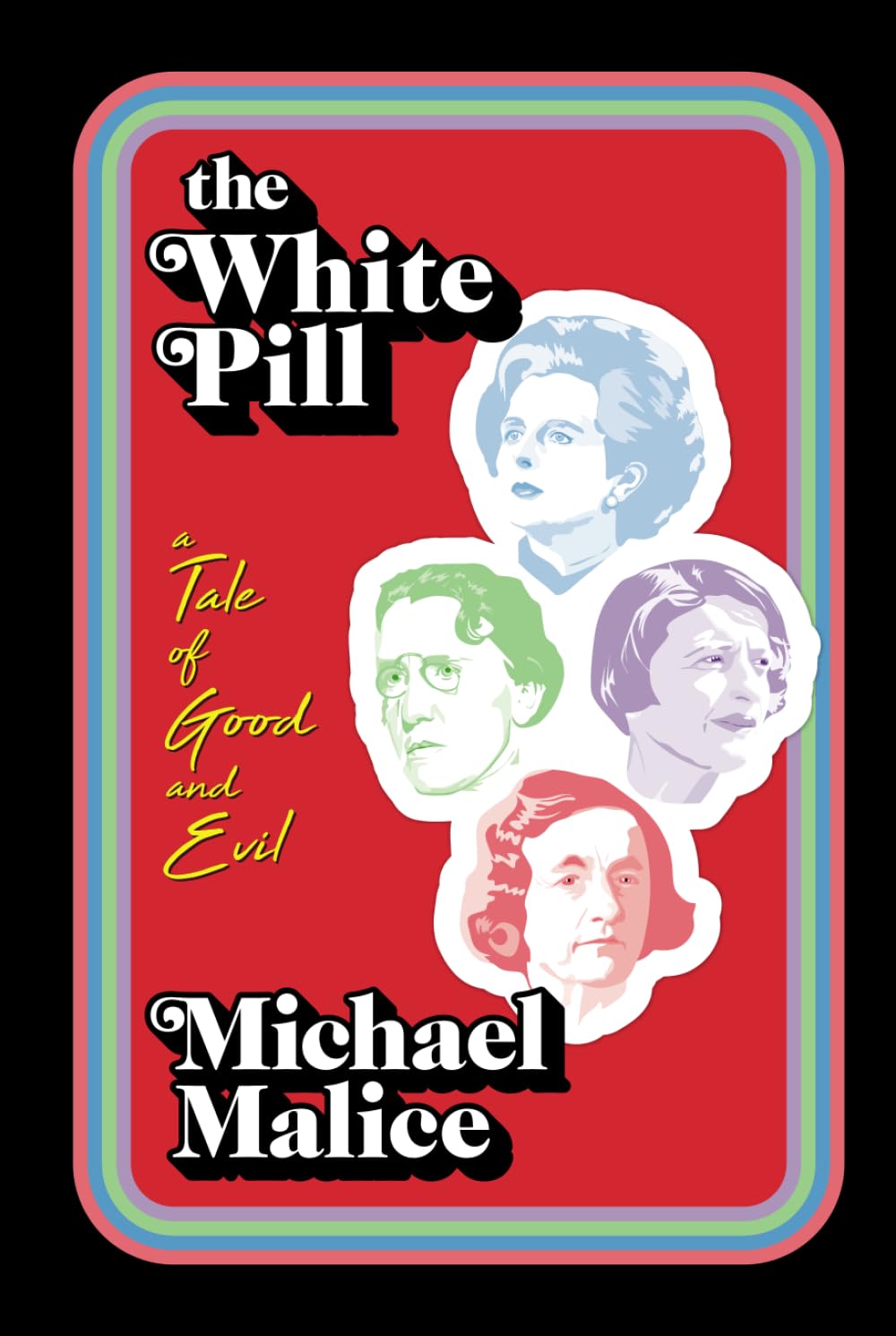
The White Pill: A Tale of Good and Evil
by Michael Malice
12 chapters•Concise summaries and key takeaways
Chapter 1 of 12
8% Complete
Chapter 1: The White Pill
Summary:
In the opening chapter the protagonistdiscovers a small white pill that promises an unclear power and forces an immediate moral choice. The discovery sets the story's central motif: an object that can amplify both good intentions and darker impulses.
Key points:
- The white pill is introduced as a mysterious catalyst that will drive events.
- The protagonist's immediate reaction reveals core values and fears.
- A hint of the wider conflict (social and personal) is established.
- The pill functions as both literal object and moral symbol.
Themes & relevance:
This chapter frames themes of choice, temptation, and agency, showing how a single decision can pivot a life and reflect broader ethical dilemmas.
Takeaway / How to use:
Notice how small, ambiguous choices can reveal priorities and shape future actions.
Try one idea, then return to it.
Choose one useful idea, save a practical action, and give yourself a reason to revisit it.
Keep this book
Save it to your library and return to this review after signing in.
Save one action
Write down an idea you want to use in your work or daily life.
Come back to review
Sync your notes and review dates, then find due books on your dashboard.
14-day trial • No credit card required • Sign in with Google
Review this book
Recall prompts, personal cards, saved actions, and downloadable study notes.
Review this book
Recall prompts, personal cards, saved actions, and downloadable study notes.
Loading your saved reviews…
Share this summary
Generate a branded share card or copy a link.
Share this summary
Generate a branded share card or copy a link.
Share this reading moment
Turn your current progress into a branded share page that points people back to the summary.
Share your progress
The White Pill: A Tale of Good and Evil
by Michael Malice
Chapter 1 of 12. 8% of the way through this summary.
Progress
1/12
Complete
8%
Visible progress makes it easier to keep the habit alive.
ReadSprint
Share with the ReadSprint source so others can read the context.
Loading your reading streak…
Related books and topics
Authors, topics, and study links connected to this book.
Related books and topics
Authors, topics, and study links connected to this book.
Topic relationship graph
This graph keeps The White Pill: A Tale of Good and Evil attached to political science.
Current book
The White Pill: A Tale of Good and Evil
topic
Political Science summaries
Browse more books in the same category and keep the reading path tight.
author
Michael Malice
Explore Michael Malice's books, related authors, and connected reading paths.
book
The Anarchist Handbook
Another Michael Malice book that extends the same reading path.
learning
Reading retention hub
Explore the systems that make book ideas stick after the first read.
learning
Learning and recall hub
Go deeper into quizzes, recall, and faster nonfiction learning workflows.
Related books
The closest book-to-book matches based on topic overlap, author proximity, and learning intent.
Author relationship system
Move from this author into connected writers, nearby themes, and any other books already in the ReadSprint library.
Similar themes and topic pages
Use topic hubs and category pages to keep reading depth aligned with what this book is actually about.
Recommended learning pages
These pages extend the educational angle with retention, recall, and adjacent reading systems.
Internal study links
Every core page for this book is one click away, which keeps the reading flow crawlable and easy to revisit.
Overview
Book overview
Use the book hub to move between summary, takeaways, quiz, and next reads.
Highlights
Summary highlights
Review memorable summary highlights that pull the argument back into focus.
Review
Takeaways
Compress the book into the practical ideas most worth keeping.
Quiz
Quiz and questions
Test yourself with retrieval prompts instead of passively rereading.
Chapters
Chapter summaries
Jump to the exact part of the book you want to revisit.
Concepts
Key concepts
Study the mental models carrying the book instead of only the chapter order.