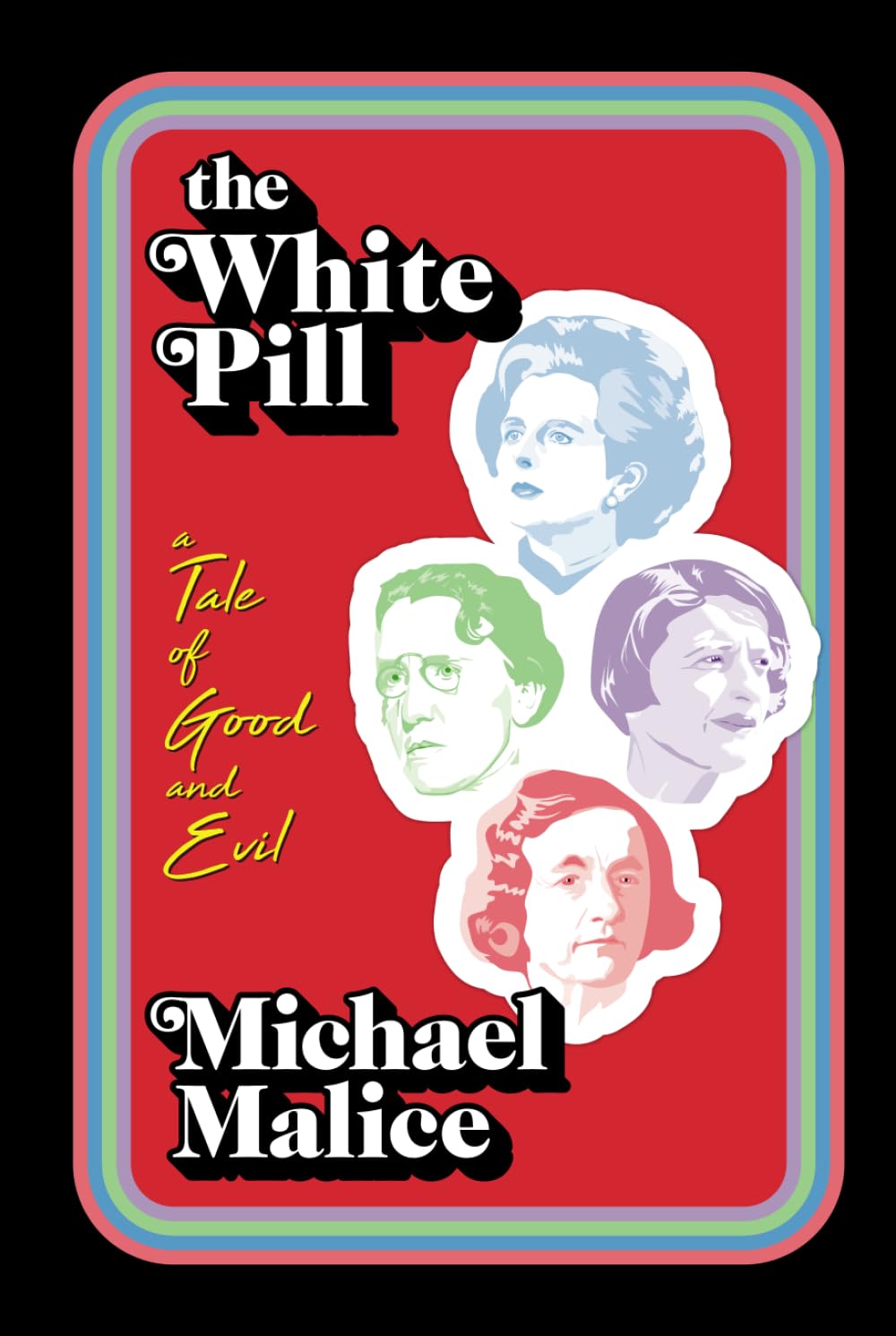
Book overview
In the opening chapter the protagonistdiscovers a small white pill that promises an unclear power and forces an immediate moral choice. The discovery sets the story's central motif: an object that can amplify both good intentions and darker impulses.
This page is built to be a compact learning hub for The White Pill: A Tale of Good and Evil. You can move from the high-level summary into takeaways, quiz prompts, chapter review, and related books without breaking the reading flow.
Best takeaways to keep
The white pill is introduced as a mysterious catalyst that will drive events.
The protagonist's immediate reaction reveals core values and fears.
A hint of the wider conflict (social and personal) is established.
The pill functions as both literal object and moral symbol.
Notice how small, ambiguous choices can reveal priorities and shape future actions.
This chapter frames themes of choice, temptation, and agency, showing how a single decision can pivot a life and reflect broader ethical dilemmas.
Retrieval practice
What is the main focus of Chapter 1?
Which chapter discusses the psychological aspects of evil?
What is emphasized in Chapter 3?
What does Chapter 6 analyze?
Quiz preview
What is the main focus of Chapter 1?
- The rise of totalitarianism
- The nature of evil
- Resistance against oppression
Which chapter discusses the psychological aspects of evil?
- Chapter 2
- Chapter 3
- Chapter 4
What is emphasized in Chapter 3?
- The power of ideology
- Resistance and resilience
- Historical case studies
What does Chapter 6 analyze?
- The human cost of totalitarianism
- Historical case studies
- The role of media
Chapter map
Chapter 1: The White Pill
In the opening chapter the protagonistdiscovers a small white pill that promises an unclear power and forces an immediate moral choice. The discovery sets the story's central motif: an object that can amplify both good intentions and darker impulses.
Chapter 2: The Nature of Evil
The narrative examines what 'evil' means through conversations, flashbacks, and examples that blur tidy moral categories. The chapter argues that evil can be systemic, personal, and sometimes seductive, preparing the reader to see characters' motives more complexly.
Chapter 3: The Good
This chapter spotlights characters and actions that embody compassion, courage, and repair, juxtaposing them against the lure of the pill. It shows concrete examples of positive choices and how they ripple outward in a community.
Chapter 4: The Bad
Chapter four examines characters and forces that exploit fear, selfishness, and opportunity, detailing how harm spreads through cynicism and manipulation. The white pill becomes a tool or excuse for those who already lean toward self-interest.
Chapter 5: The Ugly
This section describes the messy, dehumanizing fallout when good intentions and bad actions collide, with escalation into violence, betrayal, or despair. It forces characters to confront the human cost of prior choices and the limits of simple moralizing.
Next best step
Move next into the questions page if you want better retention, or into the takeaways page if you want the shortest useful review loop for this book.