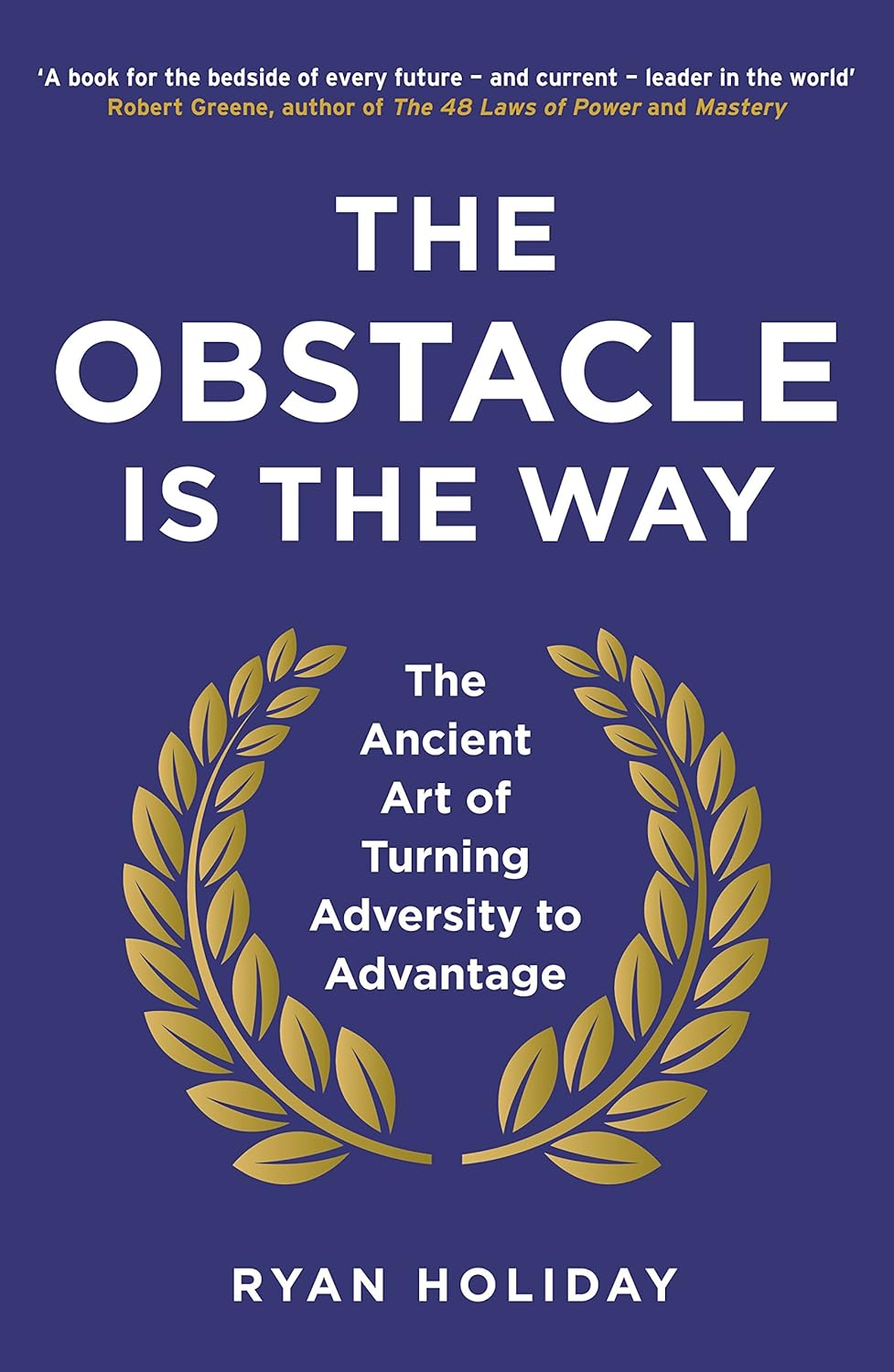
Introduction
Summary:
The introduction sets the stage for understanding how obstacles can be transformed into opportunities. It introduces the concept of Stoicism and how it can be applied to modern challenges.
Key points:
- Introduction to Stoicism
- Importance of perception
- Overcoming adversity
Themes & relevance:
The introduction establishes the book's central theme of using Stoic philosophy to turn challenges into advantages.
Takeaway / How to use:
Embrace challenges as opportunities for growth.
Key points
- Introduction to Stoicism
- Importance of perception
- Overcoming adversity
Perception
Summary:
This chapter explores how our perception shapes our reality. By changing how we view obstacles, we can alter their impact on our lives.
Key points:
- Perception as a tool
- Reframing challenges
- The power of perspective
Themes & relevance:
Understanding perception is crucial for transforming obstacles into opportunities, aligning with the book's core message.
Takeaway / How to use:
Shift your perspective to see obstacles as beneficial.
Key points
- Perception as a tool
- Reframing challenges
- The power of perspective
Action
Summary:
Action is the process of moving forward despite obstacles. This chapter emphasizes the importance of persistence and resilience.
Key points:
- Taking decisive action
- Persistence in adversity
- Building resilience
Themes & relevance:
Action is a key component in overcoming obstacles, reinforcing the book's message of proactive engagement.
Takeaway / How to use:
Act decisively and persistently in the face of challenges.
Key points
- Taking decisive action
- Persistence in adversity
- Building resilience
Will
Summary:
Will is the internal power that helps us endure and overcome. This chapter discusses the role of inner strength and determination.
Key points:
- Inner strength
- Endurance
- Determination
Themes & relevance:
Willpower is essential for overcoming obstacles, supporting the book's focus on internal resources.
Takeaway / How to use:
Cultivate inner strength to endure challenges.
Key points
- Inner strength
- Endurance
- Determination
Preparation
Summary:
Preparation involves anticipating obstacles and planning for them. This chapter highlights the importance of readiness and foresight.
Key points:
- Anticipating challenges
- Strategic planning
- Readiness
Themes & relevance:
Preparation aligns with the book's theme of proactive engagement with obstacles.
Takeaway / How to use:
Prepare strategically for potential challenges.
Key points
- Anticipating challenges
- Strategic planning
- Readiness
Failure
Summary:
Failure is an inevitable part of life, but it can be a powerful teacher. This chapter explores how to learn from failure and use it to fuel success.
Key points:
- Learning from failure
- Resilience in setbacks
- Growth through adversity
Themes & relevance:
Failure is reframed as a learning opportunity, consistent with the book's message of growth through challenges.
Takeaway / How to use:
Embrace failure as a learning tool.
Key points
- Learning from failure
- Resilience in setbacks
- Growth through adversity
Focus
Summary:
Focus is essential for overcoming obstacles. This chapter discusses the importance of concentration and eliminating distractions.
Key points:
- Concentration
- Eliminating distractions
- Maintaining focus
Themes & relevance:
Focus is crucial for navigating challenges, reinforcing the book's emphasis on mental clarity.
Takeaway / How to use:
Maintain focus to effectively tackle obstacles.
Key points
- Concentration
- Eliminating distractions
- Maintaining focus
Patience
Summary:
Patience is a virtue that aids in overcoming obstacles. This chapter highlights the importance of waiting for the right moment to act.
Key points:
- The virtue of patience
- Timing
- Delayed gratification
Themes & relevance:
Patience is vital for strategic action, aligning with the book's theme of thoughtful engagement.
Takeaway / How to use:
Practice patience to act at the right time.
Key points
- The virtue of patience
- Timing
- Delayed gratification
Pragmatism
Summary:
Pragmatism involves dealing with obstacles in a practical manner. This chapter emphasizes realistic and effective solutions.
Key points:
- Practical solutions
- Realism
- Effective problem
- solving
Themes & relevance:
Pragmatism supports the book's focus on actionable strategies for overcoming challenges.
Takeaway / How to use:
Approach obstacles with practical solutions.
Key points
- Practical solutions
- Realism
- Effective problem
- solving
Courage
Summary:
Courage is necessary to face and overcome obstacles. This chapter explores the role of bravery in tackling challenges.
Key points:
- Bravery
- Facing fears
- Courageous action
Themes & relevance:
Courage is essential for overcoming fear, supporting the book's message of bold engagement with obstacles.
Takeaway / How to use:
Act with courage to overcome fears.
Key points
- Bravery
- Facing fears
- Courageous action
Resilience
Summary:
Resilience is the ability to bounce back from setbacks. This chapter discusses how to build and maintain resilience.
Key points:
- Bouncing back
- Building resilience
- Maintaining strength
Themes & relevance:
Resilience is key to enduring challenges, aligning with the book's focus on strength and perseverance.
Takeaway / How to use:
Cultivate resilience to recover from setbacks.
Key points
- Bouncing back
- Building resilience
- Maintaining strength
Conclusion
Summary:
The conclusion ties together the book's themes, reinforcing the idea that obstacles are opportunities for growth and success.
Key points:
- Recap of key themes
- Final thoughts on adversity
- Encouragement for the future
Themes & relevance:
The conclusion reinforces the book's central message of transforming adversity into advantage.
Takeaway / How to use:
Embrace obstacles as pathways to success.
Key points
- Recap of key themes
- Final thoughts on adversity
- Encouragement for the future