ReadSprintBooksThe 4-Hour Work WeekThe 4-Hour Work Week Questions, Quiz, and Active Recall Prompts
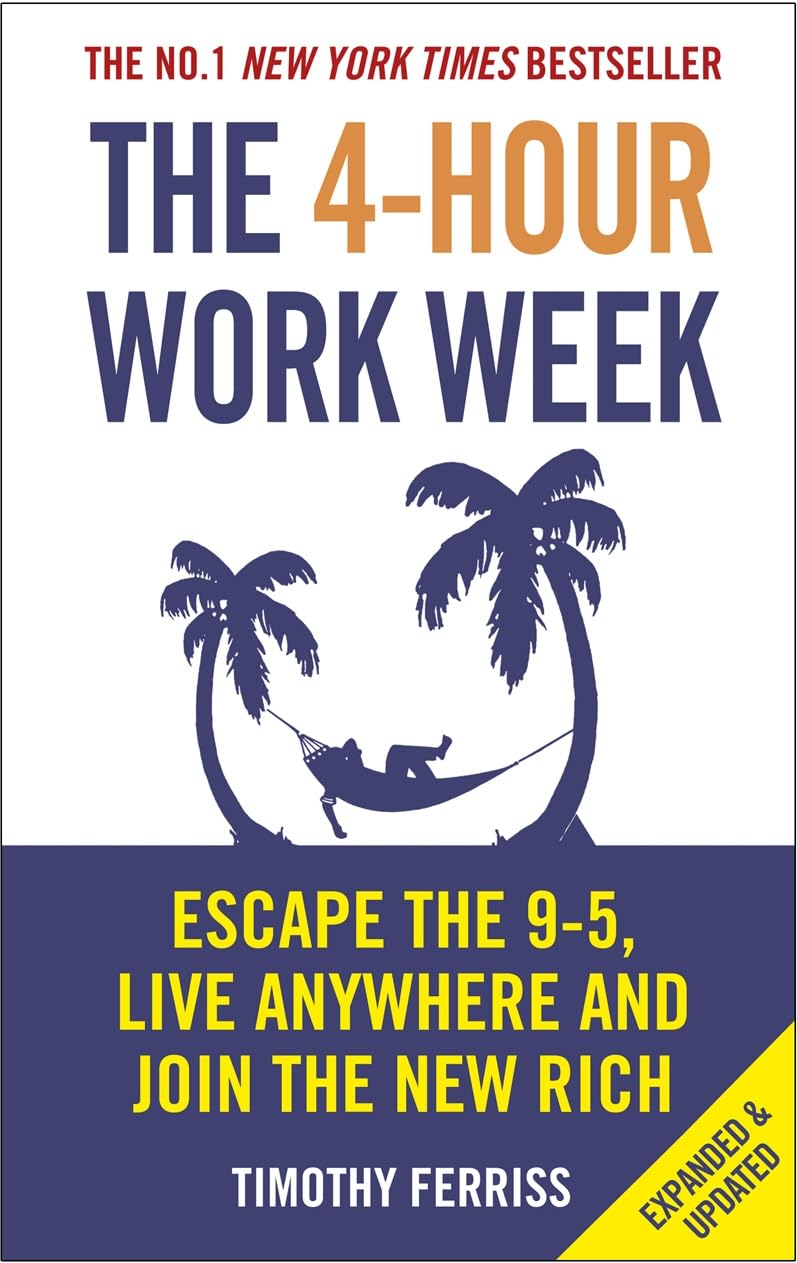
The 4-Hour Work Week
The 4-Hour Work Week Questions, Quiz, and Active Recall Prompts

The 4-Hour Work Week Questions, Quiz, and Active Recall Prompts

by Timothy Ferriss

Test your understanding of The 4-Hour Work Week by Timothy Ferriss with quiz questions, active recall prompts, and related learning resources.

Reading without retrieval fades fast. Use these The 4-Hour Work Week questions and active recall prompts to pressure-test what you understood and keep the book usable later.

Built for retention

ReadSprint combines concise summaries, quizzes, active recall, and related reading paths so the useful part of the book is easier to keep.

Open full summary

13

Chapter summaries

5

Quiz questions

12

Key takeaways

0

Related books

Quiz questions

Question 1

What does the 80/20 principle refer to in the book?

  • 80% of results come from 20% of efforts
  • 20% of results come from 80% of efforts
  • 80% of tasks are unnecessary
  • 20% of tasks are essential
Question 2

What is a mini-retirement?

  • A short vacation
  • A break taken throughout life instead of waiting for retirement
  • A retirement plan
  • A temporary job
Question 3

What is the main focus of the chapter on fear-setting?

  • Identifying fears and taking action
  • Overcoming procrastination
  • Setting financial goals
  • Planning for retirement
Question 4

What does Ferriss suggest about traditional work environments?

  • They are essential for success
  • They should be avoided
  • They are outdated
  • They are the best way to earn money
Question 5

What is the key takeaway from the conclusion of the book?

  • Start small and take action
  • Focus on financial wealth
  • Avoid taking risks
  • Plan for a long retirement

Active recall prompts

What does the 80/20 principle refer to in the book?

What is a mini-retirement?

What is the main focus of the chapter on fear-setting?

What does Ferriss suggest about traditional work environments?

What is the main idea of "Chapter 1: D is for Definition", and how would you explain it without looking back?

What is the main idea of "Chapter 2: E is for Elimination", and how would you explain it without looking back?

What is the main idea of "Chapter 3: A is for Automation", and how would you explain it without looking back?

What is the main idea of "Chapter 4: L is for Liberation", and how would you explain it without looking back?

Quiz checkpoints

Question 1

What does the 80/20 principle refer to in the book?

Question 2

What is a mini-retirement?

Question 3

What is the main focus of the chapter on fear-setting?

Practice retrieval

Key concepts

D is for Definition

This chapter sets the foundation for the book's core message about escaping the conventional work model and pursuing a life of freedom and fulfillment.

E is for Elimination

This chapter emphasizes the need to prioritize effectively and eliminate distractions, which is crucial for achieving the lifestyle design Ferriss advocates.

A is for Automation

Automation is a key strategy in achieving the 4-hour work week, allowing individuals to free up time for more meaningful pursuits.

Open concept map
Turn Reading Into Recall

Keep The 4-Hour Work Week review-ready instead of letting it fade.

This page is strongest when it becomes part of a review habit: save the summary, revisit the key takeaways, and use recall prompts before the next meeting, study block, or decision.

Save one strong takeaway instead of over-highlighting.
Use the questions page to test what actually stuck.
Return when the book becomes relevant again, not just when motivation is high.
See pricing
Get Book Review Notes

Get practical notes on remembering and reusing ideas from nonfiction books without building an overly heavy note system.

Retention workflow

Turn this page into a repeatable study loop

Move from summary to takeaways, test yourself with questions, revisit the concept map, and then continue into related books. That keeps The 4-Hour Work Weekconnected instead of turning into a one-time skim.

Frequently asked questions

Why use quiz questions for The 4-Hour Work Week?

Quiz-style recall is more durable than passive rereading because it forces you to retrieve the idea instead of merely recognizing it.

How should I answer active recall prompts?

Answer from memory first, then review the relevant chapter summary only after you have tried to explain the idea on your own.

What if I miss several questions about The 4-Hour Work Week?

That usually means the book needs a shorter review loop. Revisit the chapter summaries, keep only a few high-value takeaways, and test yourself again later.