Concept map
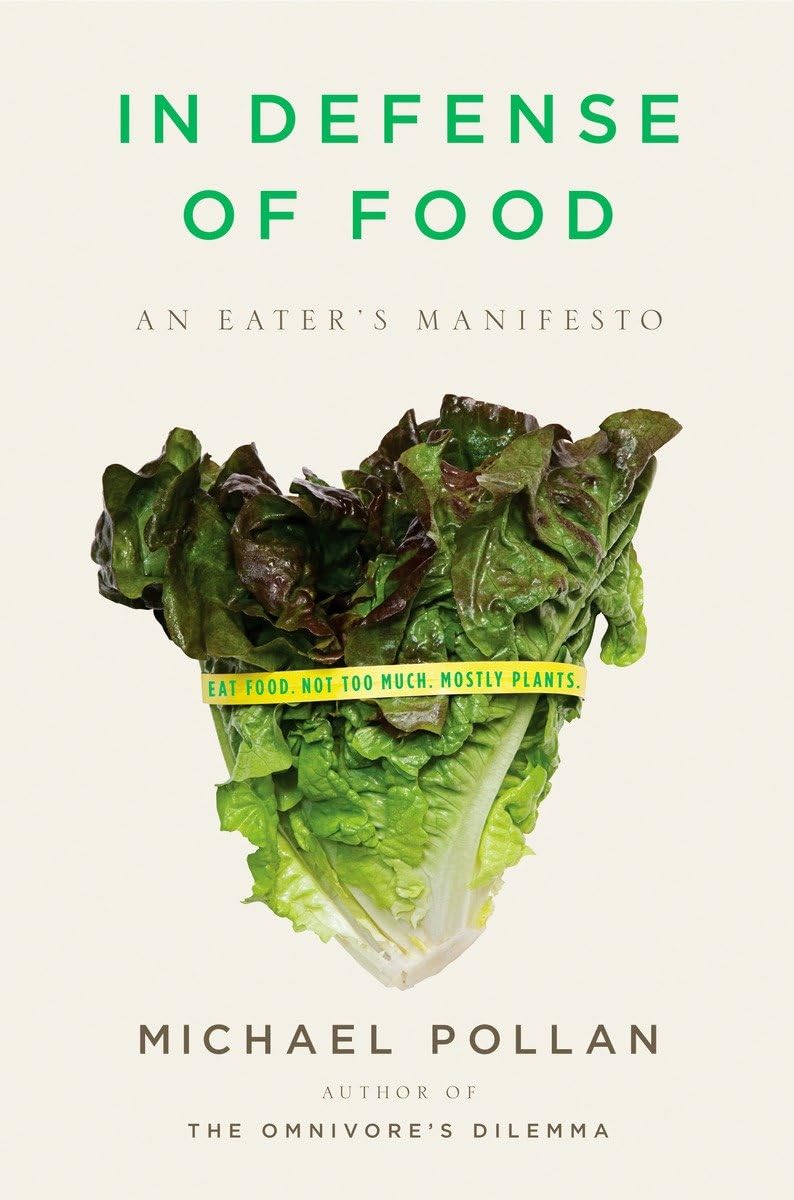
These are the ideas doing most of the work inside In Defense of Food: An Eater's Manifesto. Study them as reusable mental models, then jump back into chapters or questions when you want more context.
Introduction: How We Got So Confused About Food
Michael Pollan outlines the central paradox of modern eating: despite unprecedented knowledge about nutrients, people are more confused about what to eat and less healthy than previous generations. He frames the book's argument that the reduction of food to its nutrients—"nutritionism"—is the root of this confusion and previews a simpler guideline for eating.
Supporting points
- Modern dietary advice often focuses on single nutrients rather than whole foods.
- Scientific findings, marketing, and government policy have combined to produce mixed messages.
- The complexity of industrial food production obscures basic common
How does introduction: how we got so confused about food change the way you would explain or apply In Defense of Food: An Eater's Manifesto?
Introduction: How We Got So Confused About Food
The Rise of Nutritionism
Pollan traces the intellectual and cultural rise of ‘nutritionism’—the idea that the nutritional components of food are the most important aspects of what we should eat. He explains how scientists, food manufacturers, and policymakers embraced nutrient-based thinking, reshaping diets, industry practices, and public health messages.
Supporting points
- Nutritionism treats food primarily as a delivery system for nutrients (fat, protein, vitamins, etc.).
- Early 20th
- century discoveries in vitamins and nutrients legitimized nutrient-focused thinking.
How does the rise of nutritionism change the way you would explain or apply In Defense of Food: An Eater's Manifesto?
The Rise of Nutritionism
How Nutritionism Replaced Traditional Food Wisdom
Pollan shows how nutritionism displaced traditional culinary knowledge and food cultures by privileging expert-driven, reductionist advice over accumulated practical wisdom. He describes the social and institutional mechanisms—media, industry, and science—that sidelined cooks and cultural norms.
Supporting points
- Traditional food wisdom emphasized taste, preparation, and social context rather than isolated nutrients.
- Experts and scientists gradually assumed authority over what people should eat, often ignoring culinary traditions.
- Marketing and policy reinforced nutrient
How does how nutritionism replaced traditional food wisdom change the way you would explain or apply In Defense of Food: An Eater's Manifesto?
How Nutritionism Replaced Traditional Food Wisdom
The Western Diet: From Traditional to Processed
Pollan documents the historical shift in Western diets from whole, locally prepared foods to highly processed, industrially produced products. He links this transformation to changes in agriculture, food technology, and corporate priorities that prioritized shelf life, convenience, and profit over nutrition.
Supporting points
- Industrialization introduced refined sugars, seed oils, and heavily processed products into everyday diets.
- Convenience, preservation, and marketing drove the development of packaged foods with long ingredient lists.
- These processed foods often engineered taste and undermined natural satiety cues.
How does the western diet: from traditional to processed change the way you would explain or apply In Defense of Food: An Eater's Manifesto?
The Western Diet: From Traditional to Processed
Eat Food: The Case for Whole Foods
Pollan makes a clear, memorable case for eating real, whole foods and avoiding products of industrial food science. He offers practical tests—short ingredient lists, recognizable ingredients, and foods your grandmother would recognize—to distinguish food from food-like products.
Supporting points
- "Eat food" means choosing items made from whole, real ingredients rather than engineered substances.
- Avoid foods with long, unrecognizable ingredient lists or that make health claims based on single nutrients.
- Culinary tradition and sensory judgment are reliable guides for choosing wholesome foods.
How does eat food: the case for whole foods change the way you would explain or apply In Defense of Food: An Eater's Manifesto?
Eat Food: The Case for Whole Foods
Not Too Much: Portion Size, Satiation, and Overeating
Pollan examines why Americans overeat and offers behavioral and cultural remedies to avoid excess intake. He emphasizes portion control, attention to satiety signals, and social eating practices that discourage gluttony.
Supporting points
- Modern food environments encourage oversized portions and constant eating opportunities.
- Hyperpalatable processed foods can overwhelm natural satiety mechanisms.
- Cultural practices—shared meals, eating slowly, limits on snacking—help regulate intake.
How does not too much: portion size, satiation, and overeating change the way you would explain or apply In Defense of Food: An Eater's Manifesto?
Not Too Much: Portion Size, Satiation, and Overeating
Mostly Plants: Why a Plant-Forward Diet Matters
Pollan advocates a diet centered on plants, arguing that emphasizing vegetables, fruits, legumes, whole grains, nuts, and seeds supports health, culinary variety, and ecological sustainability. He also endorses modest, high-quality animal products rather than large quantities of industrially produced meat.
Supporting points
- Plant
- based foods provide nutrients, fiber, and lower energy density, aiding health and weight control.
- Traditional diets that are plant
How does mostly plants: why a plant-forward diet matters change the way you would explain or apply In Defense of Food: An Eater's Manifesto?
Mostly Plants: Why a Plant-Forward Diet Matters
Tradition, Culture, and the Politics of Eating
Pollan explores how food traditions and cultural institutions shape diets and contrasts these communal practices with politicized, industrial food systems. He critiques subsidies, corporate influence, and policy choices that favor cheap calories over nourishing food, and he urges reclaiming foodways through civic and cultural action.
Supporting points
- Food choices are embedded in cultural and political systems, not just individual preferences.
- Agricultural policy, subsidies, and corporate lobbying have skewed the food supply toward profitable processed commodities.
- Reviving culinary traditions, local food economies, and democratic engagement can counteract industrialized food harms.
How does tradition, culture, and the politics of eating change the way you would explain or apply In Defense of Food: An Eater's Manifesto?
Tradition, Culture, and the Politics of Eating