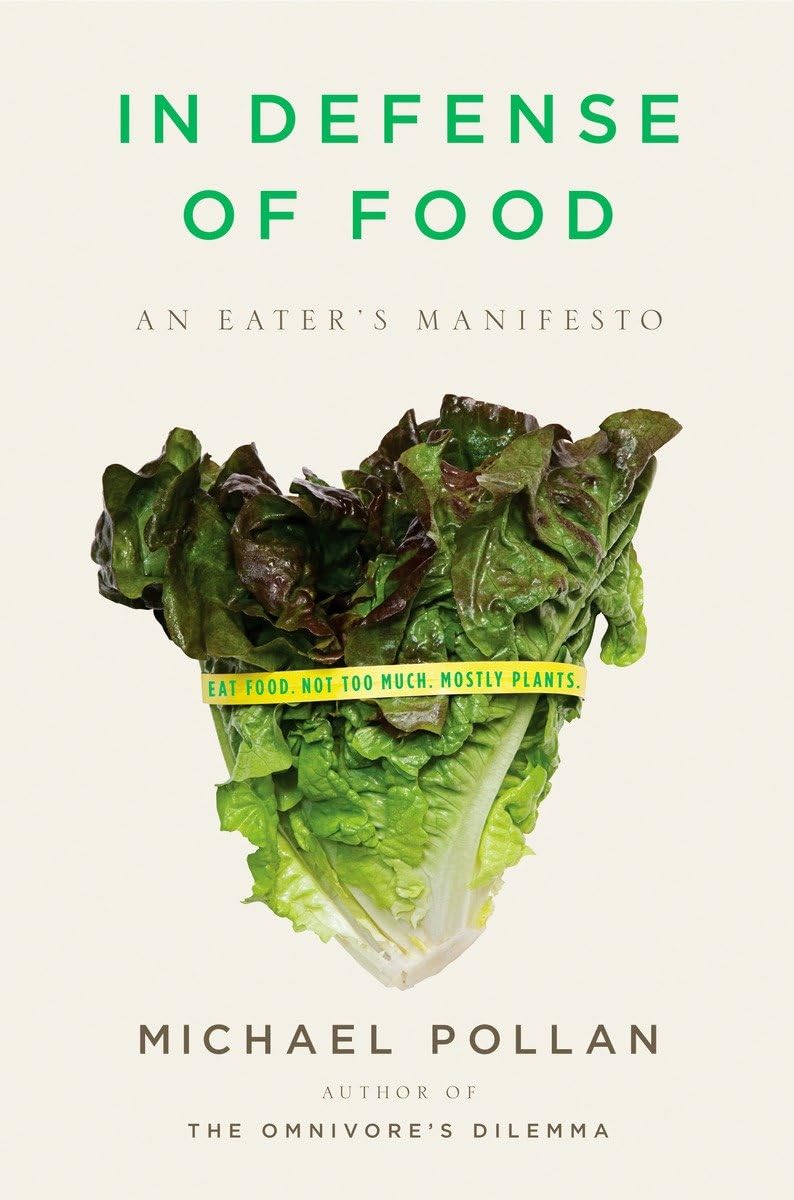
In Defense of Food: An Eater's Manifesto: ReadSprint summary highlights
ReadSprint paraphrases for review. These highlights are not verbatim quotations from the book or its author. Check the original edition for exact wording and context.
In Defense of Food: An Eater's Manifesto
by Michael Pollan
Michael Pollan outlines the central paradox of modern eating: despite unprecedented knowledge about nutrients, people are more confused about what to eat and less healthy than previous generations.
ReadSprint paraphrase · Not a quotation from the author.
Michael Pollan outlines the central paradox of modern eating: despite unprecedented knowledge about nutrients, people are more confused about what to eat and less healthy than previous generations.
Modern dietary advice often focuses on single nutrients rather than whole foods.
Share with the ReadSprint source so others can read the context.
In Defense of Food: An Eater's Manifesto
by Michael Pollan
He frames the book's argument that the reduction of food to its nutrients—"nutritionism"—is the root of this confusion and previews a simpler guideline for eating.
ReadSprint paraphrase · Not a quotation from the author.
He frames the book's argument that the reduction of food to its nutrients—"nutritionism"—is the root of this confusion and previews a simpler guideline for eating.
Scientific findings, marketing, and government policy have combined to produce mixed messages.
Share with the ReadSprint source so others can read the context.
In Defense of Food: An Eater's Manifesto
by Michael Pollan
Pollan traces the intellectual and cultural rise of ‘nutritionism’—the idea that the nutritional components of food are the most important aspects of what we should eat.
ReadSprint paraphrase · Not a quotation from the author.
Pollan traces the intellectual and cultural rise of ‘nutritionism’—the idea that the nutritional components of food are the most important aspects of what we should eat.
The complexity of industrial food production obscures basic common
Share with the ReadSprint source so others can read the context.
In Defense of Food: An Eater's Manifesto
by Michael Pollan
He explains how scientists, food manufacturers, and policymakers embraced nutrient-based thinking, reshaping diets, industry practices, and public health messages.
ReadSprint paraphrase · Not a quotation from the author.
He explains how scientists, food manufacturers, and policymakers embraced nutrient-based thinking, reshaping diets, industry practices, and public health messages.
sense eating practices.
Share with the ReadSprint source so others can read the context.
In Defense of Food: An Eater's Manifesto
by Michael Pollan
Pollan shows how nutritionism displaced traditional culinary knowledge and food cultures by privileging expert-driven, reductionist advice over accumulated practical wisdom.
ReadSprint paraphrase · Not a quotation from the author.
Pollan shows how nutritionism displaced traditional culinary knowledge and food cultures by privileging expert-driven, reductionist advice over accumulated practical wisdom.
Pollan proposes a return to simpler rules: eat food, not too much, mostly plants.
Share with the ReadSprint source so others can read the context.
In Defense of Food: An Eater's Manifesto
by Michael Pollan
He describes the social and institutional mechanisms—media, industry, and science—that sidelined cooks and cultural norms.
ReadSprint paraphrase · Not a quotation from the author.
He describes the social and institutional mechanisms—media, industry, and science—that sidelined cooks and cultural norms.
Start evaluating your diet by focusing on whole foods and simple rules rather than nutrient-by nutrient advice.
Share with the ReadSprint source so others can read the context.
In Defense of Food: An Eater's Manifesto
by Michael Pollan
Pollan documents the historical shift in Western diets from whole, locally prepared foods to highly processed, industrially produced products.
ReadSprint paraphrase · Not a quotation from the author.
Pollan documents the historical shift in Western diets from whole, locally prepared foods to highly processed, industrially produced products.
The chapter sets up the tension between scientific reductionism and traditional food wisdom, showing why contemporary health advice often fails to improve diet or health. This framing is relevant for anyone trying to navigate dietary claims and food marketing.
Share with the ReadSprint source so others can read the context.
In Defense of Food: An Eater's Manifesto
by Michael Pollan
He links this transformation to changes in agriculture, food technology, and corporate priorities that prioritized shelf life, convenience, and profit over nutrition.
ReadSprint paraphrase · Not a quotation from the author.
He links this transformation to changes in agriculture, food technology, and corporate priorities that prioritized shelf life, convenience, and profit over nutrition.
Michael Pollan outlines the central paradox of modern eating: despite unprecedented knowledge about nutrients, people are more confused about what to eat and less healthy than previous generations. He frames the book's argument that the reduction of food to its nutrients—"nutritionism"—is the root of this confusion and previews a simpler guideline for eating.
Share with the ReadSprint source so others can read the context.
In Defense of Food: An Eater's Manifesto
by Michael Pollan
Pollan makes a clear, memorable case for eating real, whole foods and avoiding products of industrial food science.
ReadSprint paraphrase · Not a quotation from the author.
Pollan makes a clear, memorable case for eating real, whole foods and avoiding products of industrial food science.
Nutritionism treats food primarily as a delivery system for nutrients (fat, protein, vitamins, etc.).
Share with the ReadSprint source so others can read the context.
In Defense of Food: An Eater's Manifesto
by Michael Pollan
He offers practical tests—short ingredient lists, recognizable ingredients, and foods your grandmother would recognize—to distinguish food from food-like products.
ReadSprint paraphrase · Not a quotation from the author.
He offers practical tests—short ingredient lists, recognizable ingredients, and foods your grandmother would recognize—to distinguish food from food-like products.
Early 20th
Share with the ReadSprint source so others can read the context.