Book overview
Michael Pollan outlines the central paradox of modern eating: despite unprecedented knowledge about nutrients, people are more confused about what to eat and less healthy than previous generations. He frames the book's argument that the reduction of food to its nutrients—"nutritionism"—is the root of this confusion and previews a simpler guideline for eating.
This page is built to be a compact learning hub for In Defense of Food: An Eater's Manifesto. You can move from the high-level summary into takeaways, quiz prompts, chapter review, and related books without breaking the reading flow.
Best takeaways to keep
Modern dietary advice often focuses on single nutrients rather than whole foods.
Scientific findings, marketing, and government policy have combined to produce mixed messages.
The complexity of industrial food production obscures basic common
sense eating practices.
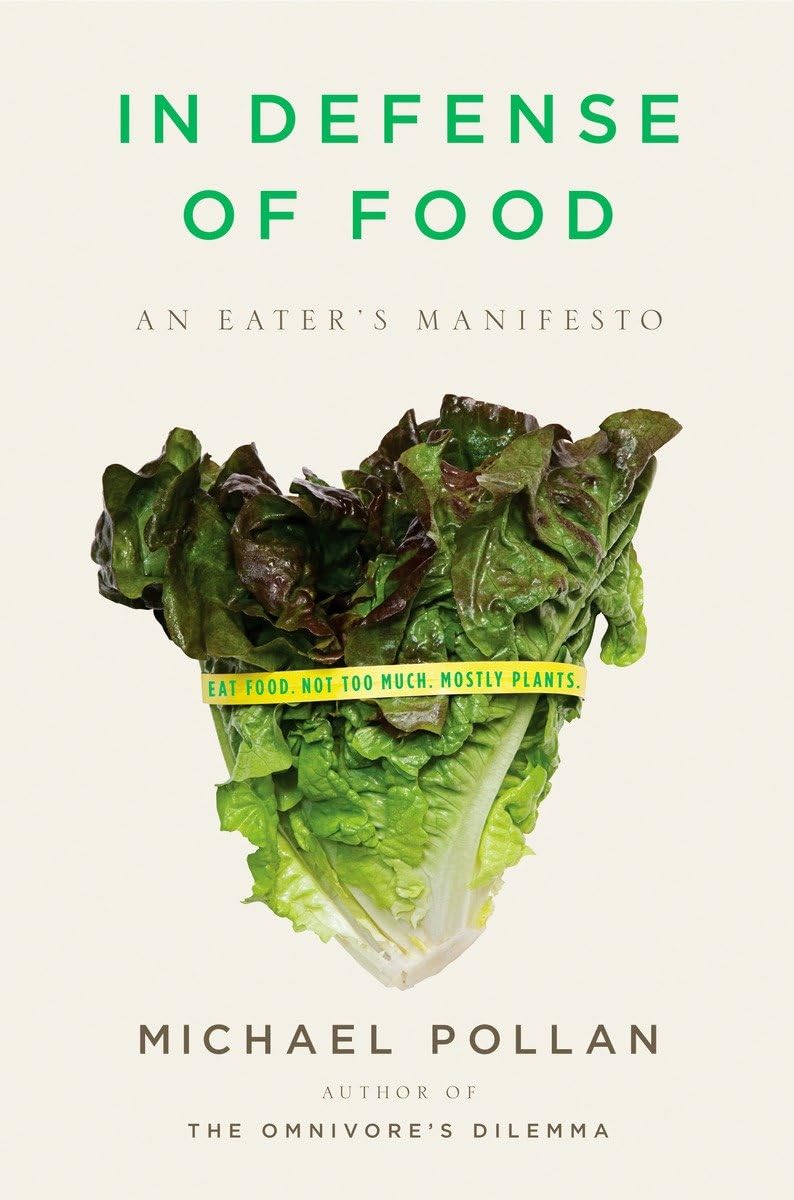
Pollan proposes a return to simpler rules: eat food, not too much, mostly plants.
Start evaluating your diet by focusing on whole foods and simple rules rather than nutrient-by nutrient advice.
Retrieval practice
What does Michael Pollan mean by 'nutritionism' as described in the book?
Which simple guideline summarizes Pollan’s core dietary advice?
According to Pollan, which of the following is a practical way to identify 'real' food and avoid industrial food products?
What cultural or behavioral factor does Pollan cite as contributing to overeating in the modern Western diet?
Quiz preview
What does Michael Pollan mean by 'nutritionism' as described in the book?
- The belief that dietary wisdom should be based on whole-food culinary traditions
- The idea that food should be primarily evaluated by its individual nutrients and their effects
- A movement to return to plant-based diets and away from processed foods
Which simple guideline summarizes Pollan’s core dietary advice?
- Eat low-carb, high-protein, and avoid all fats
- Eat food, not too much, mostly plants
- Count calories precisely and eat fortified foods
According to Pollan, which of the following is a practical way to identify 'real' food and avoid industrial food products?
- Choose products with long ingredient lists to ensure completeness
- Prefer foods with recognizable, few ingredients that a grandmother would know
- Buy items with the most health claims and scientific endorsements on the label
What cultural or behavioral factor does Pollan cite as contributing to overeating in the modern Western diet?
- Strict adherence to traditional communal meals
- Large portion sizes and environments that cue continuous eating
- A universal lack of access to processed convenience foods
Chapter map
Introduction: How We Got So Confused About Food
Michael Pollan outlines the central paradox of modern eating: despite unprecedented knowledge about nutrients, people are more confused about what to eat and less healthy than previous generations. He frames the book's argument that the reduction of food to its nutrients—"nutritionism"—is the root of this confusion and previews a simpler guideline for eating.
The Rise of Nutritionism
Pollan traces the intellectual and cultural rise of ‘nutritionism’—the idea that the nutritional components of food are the most important aspects of what we should eat. He explains how scientists, food manufacturers, and policymakers embraced nutrient-based thinking, reshaping diets, industry practices, and public health messages.
How Nutritionism Replaced Traditional Food Wisdom
Pollan shows how nutritionism displaced traditional culinary knowledge and food cultures by privileging expert-driven, reductionist advice over accumulated practical wisdom. He describes the social and institutional mechanisms—media, industry, and science—that sidelined cooks and cultural norms.
The Western Diet: From Traditional to Processed
Pollan documents the historical shift in Western diets from whole, locally prepared foods to highly processed, industrially produced products. He links this transformation to changes in agriculture, food technology, and corporate priorities that prioritized shelf life, convenience, and profit over nutrition.
Eat Food: The Case for Whole Foods
Pollan makes a clear, memorable case for eating real, whole foods and avoiding products of industrial food science. He offers practical tests—short ingredient lists, recognizable ingredients, and foods your grandmother would recognize—to distinguish food from food-like products.
Next best step
Move next into the questions page if you want better retention, or into the takeaways page if you want the shortest useful review loop for this book.