Takeaways people can pass on
These cards are tuned for social discoverability: one clean idea, one strong visual treatment, and one tap to share on mobile.
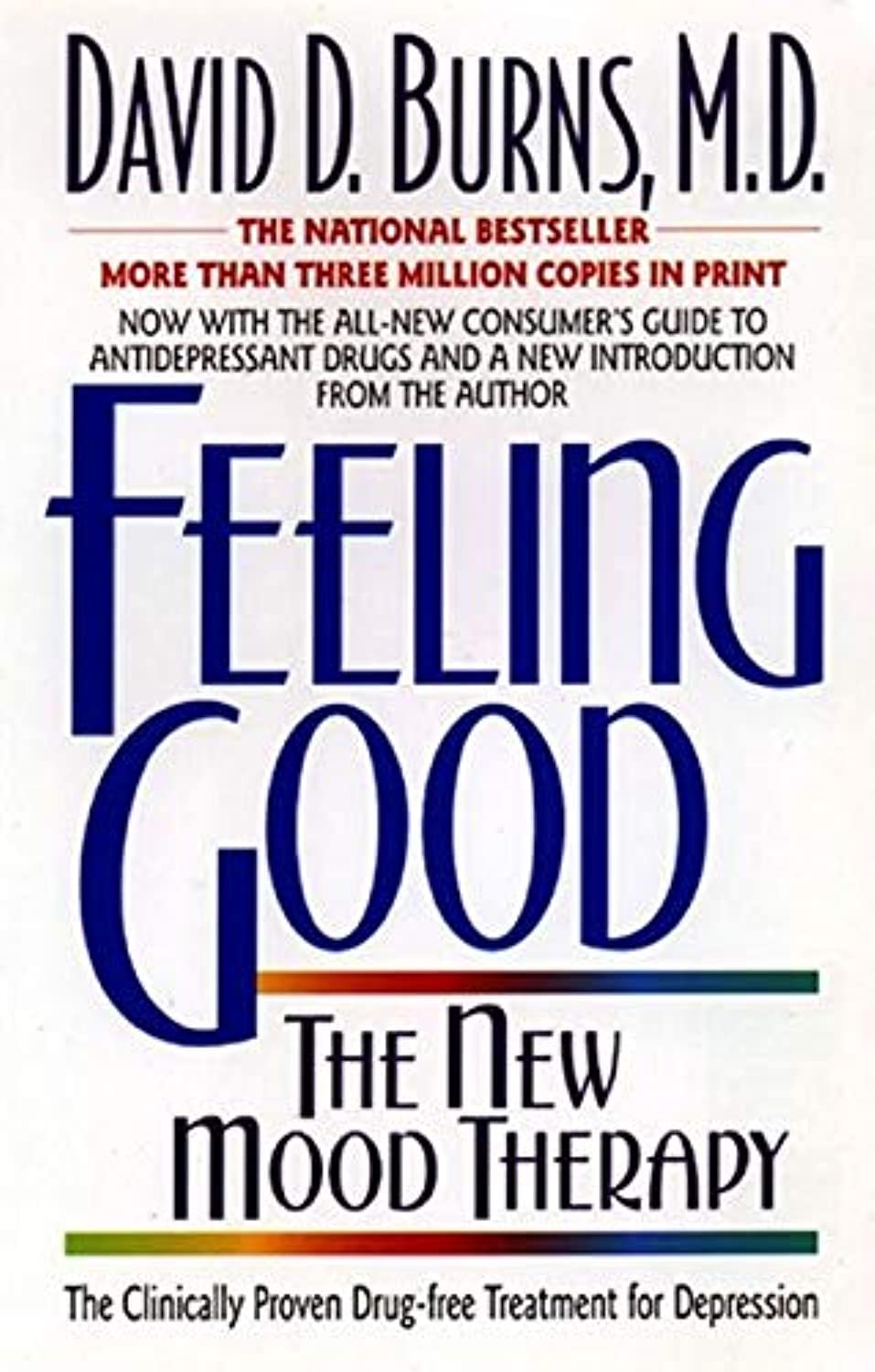
Feeling Good: The New Mood Therapy
by David D. Burns, M.D.
Cognitive therapy focuses on identifying and changing maladaptive thoughts to alter feelings and actions.
Turn the useful part of the book into something worth passing on.
Cognitive therapy focuses on identifying and changing maladaptive thoughts to alter feelings and actions.
Share with the ReadSprint source so others can read the context.
Feeling Good: The New Mood Therapy
by David D. Burns, M.D.
Depression is not simply a chemical imbalance; thinking patterns play a central role in creating and maintaining low mood.
Turn the useful part of the book into something worth passing on.
Depression is not simply a chemical imbalance; thinking patterns play a central role in creating and maintaining low mood.
Share with the ReadSprint source so others can read the context.
Feeling Good: The New Mood Therapy
by David D. Burns, M.D.
The book offers practical self
Turn the useful part of the book into something worth passing on.
The book offers practical self
Share with the ReadSprint source so others can read the context.
Feeling Good: The New Mood Therapy
by David D. Burns, M.D.
help tools that patients can use independently or alongside professional therapy.
Turn the useful part of the book into something worth passing on.
help tools that patients can use independently or alongside professional therapy.
Share with the ReadSprint source so others can read the context.
Feeling Good: The New Mood Therapy
by David D. Burns, M.D.
Adopt the mindset that thoughts influence mood and be willing to practice cognitive techniques regularly.
Turn the useful part of the book into something worth passing on.
Adopt the mindset that thoughts influence mood and be willing to practice cognitive techniques regularly.
Share with the ReadSprint source so others can read the context.
Feeling Good: The New Mood Therapy
by David D. Burns, M.D.
The chapter frames the book's core claim that mood can be improved by systematic cognitive work, making psychotherapy principles usable by nonprofessionals. This sets expectations for practical exercises and a skills-based approach to mana…
Turn the useful part of the book into something worth passing on.
The chapter frames the book's core claim that mood can be improved by systematic cognitive work, making psychotherapy principles usable by nonprofessionals. This sets expectations for practical exercises and a skills-based approach to managing depression.
Share with the ReadSprint source so others can read the context.
Feeling Good: The New Mood Therapy
by David D. Burns, M.D.
Feeling Good introduces cognitive therapy for depression, arguing that changing distorted thinking improves mood and behavior. David D. Burns presents a self-help, evidence based approach that makes cognitive techniques accessible to reade…
Turn the useful part of the book into something worth passing on.
Feeling Good introduces cognitive therapy for depression, arguing that changing distorted thinking improves mood and behavior. David D. Burns presents a self-help, evidence based approach that makes cognitive techniques accessible to readers and supports them with exercises and case examples.
Share with the ReadSprint source so others can read the context.
Feeling Good: The New Mood Therapy
by David D. Burns, M.D.
Negative automatic thoughts and ingrained maladaptive beliefs produce and sustain depressive moods.
Turn the useful part of the book into something worth passing on.
Negative automatic thoughts and ingrained maladaptive beliefs produce and sustain depressive moods.
Share with the ReadSprint source so others can read the context.
Feeling Good: The New Mood Therapy
by David D. Burns, M.D.
Life events and stressors trigger depressive episodes, but interpretation of events determines severity and duration.
Turn the useful part of the book into something worth passing on.
Life events and stressors trigger depressive episodes, but interpretation of events determines severity and duration.
Share with the ReadSprint source so others can read the context.
Feeling Good: The New Mood Therapy
by David D. Burns, M.D.
Biological and genetic factors may influence vulnerability, but cognitive change can produce meaningful recovery.
Turn the useful part of the book into something worth passing on.
Biological and genetic factors may influence vulnerability, but cognitive change can produce meaningful recovery.
Share with the ReadSprint source so others can read the context.
Feeling Good: The New Mood Therapy
by David D. Burns, M.D.
Begin noticing how your interpretations of events influence your feelings and write down recurring negative thoughts.
Turn the useful part of the book into something worth passing on.
Begin noticing how your interpretations of events influence your feelings and write down recurring negative thoughts.
Share with the ReadSprint source so others can read the context.
Feeling Good: The New Mood Therapy
by David D. Burns, M.D.
This chapter highlights the interaction of thought, environment, and biology while centering cognitive processes as the most accessible targets for intervention. It justifies learning cognitive skills as a practical route out of depression.
Turn the useful part of the book into something worth passing on.
This chapter highlights the interaction of thought, environment, and biology while centering cognitive processes as the most accessible targets for intervention. It justifies learning cognitive skills as a practical route out of depression.
Share with the ReadSprint source so others can read the context.