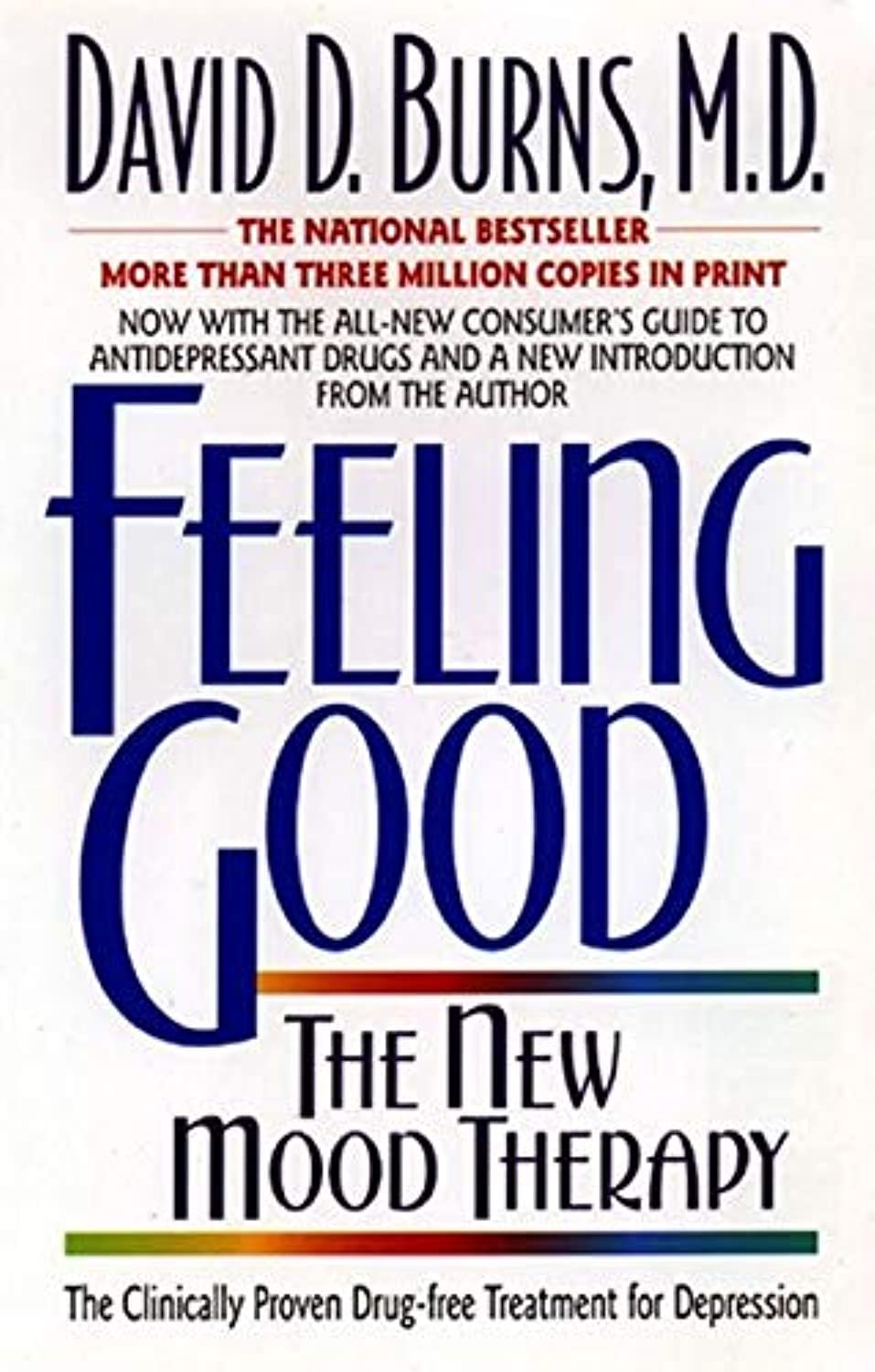
Introduction: The New Mood Therapy
Summary:
Feeling Good introduces cognitive therapy for depression, arguing that changing distorted thinking improves mood and behavior. David D. Burns presents a self-help, evidence
- based approach that makes cognitive techniques accessible to readers and supports them with exercises and case examples.
Key points:
- Cognitive therapy focuses on identifying and changing maladaptive thoughts to alter feelings and actions.
- Depression is not simply a chemical imbalance; thinking patterns play a central role in creating and maintaining low mood.
- The book offers practical self
- help tools that patients can use independently or alongside professional therapy.
Themes & relevance:
The chapter frames the book's core claim that mood can be improved by systematic cognitive work, making psychotherapy principles usable by nonprofessionals. This sets expectations for practical exercises and a skills-based approach to managing depression.
Takeaway / How to use:
Adopt the mindset that thoughts influence mood and be willing to practice cognitive techniques regularly.
Key points
- Cognitive therapy focuses on identifying and changing maladaptive thoughts to alter feelings and actions.
- Depression is not simply a chemical imbalance; thinking patterns play a central role in creating and maintaining low mood.
- The book offers practical self
- help tools that patients can use independently or alongside professional therapy.
What Causes Depression?
Summary:
Burns explains depression as primarily arising from distorted thinking patterns, although he acknowledges biological and situational factors. He emphasizes that habitual negative interpretations of experience—automatic thoughts and core beliefs—are central causes that can be changed.
Key points:
- Negative automatic thoughts and ingrained maladaptive beliefs produce and sustain depressive moods.
- Life events and stressors trigger depressive episodes, but interpretation of events determines severity and duration.
- Biological and genetic factors may influence vulnerability, but cognitive change can produce meaningful recovery.
Themes & relevance:
This chapter highlights the interaction of thought, environment, and biology while centering cognitive processes as the most accessible targets for intervention. It justifies learning cognitive skills as a practical route out of depression.
Takeaway / How to use:
Begin noticing how your interpretations of events influence your feelings and write down recurring negative thoughts.
Key points
- Negative automatic thoughts and ingrained maladaptive beliefs produce and sustain depressive moods.
- Life events and stressors trigger depressive episodes, but interpretation of events determines severity and duration.
- Biological and genetic factors may influence vulnerability, but cognitive change can produce meaningful recovery.
The Cognitive Model of Mood
Summary:
Burns presents the cognitive model: events lead to automatic thoughts, which produce emotional and behavioral responses, and these are shaped by deeper core beliefs. Changing the chain of thoughts can therefore change feelings and behavior.
Key points:
- The basic sequence is situation → automatic thought → feeling/behavior → longer
- term mood.
- Automatic thoughts are quick, often unexamined interpretations that reflect deeper cognitive distortions and core beliefs.
- By identifying and disputing automatic thoughts, people can break cycles that maintain depressive states.
Themes & relevance:
The model provides a clear, testable framework for self-observation and intervention, making mood change concrete and actionable. It underpins all subsequent techniques in the book.
Takeaway / How to use:
Use the cognitive model to map a recent upsetting situation and identify the automatic thought that led to your mood.
Key points
- The basic sequence is situation → automatic thought → feeling/behavior → longer
- term mood.
- Automatic thoughts are quick, often unexamined interpretations that reflect deeper cognitive distortions and core beliefs.
- By identifying and disputing automatic thoughts, people can break cycles that maintain depressive states.
The Ten Cognitive Distortions
Summary:
Burns catalogs ten common thinking errors that distort reality and fuel negative emotions. Recognizing these distortions is a key step toward disputing automatic thoughts and developing more balanced thinking.
Key points:
- All
- or-nothing thinking and overgeneralization create extreme, global conclusions from limited evidence.
- Mental filter and disqualifying the positive focus attention on negatives while ignoring contrary evidence.
- Jumping to conclusions (mind reading and fortune telling) and magnification/minimization misinterpret outcomes and intentions.
- Emotional reasoning and "should" statements treat feelings as facts and impose rigid rules.
- Labeling, mislabeling, and personalization assign global negative identities or blame oneself unfairly.
Themes & relevance:
Identifying predictable distortions gives readers a vocabulary to catch and categorize unhelpful thoughts quickly, streamlining self-therapy work. Awareness of these patterns makes corrective techniques more targeted and efficient.
Takeaway / How to use:
When you notice a strong negative emotion, ask which of the ten distortions best fits your thought.
Key points
- All
- or-nothing thinking and overgeneralization create extreme, global conclusions from limited evidence.
- Mental filter and disqualifying the positive focus attention on negatives while ignoring contrary evidence.
- Jumping to conclusions (mind reading and fortune telling) and magnification/minimization misinterpret outcomes and intentions.
- Emotional reasoning and "should" statements treat feelings as facts and impose rigid rules.
- Labeling, mislabeling, and personalization assign global negative identities or blame oneself unfairly.
How to Be Your Own Therapist
Summary:
This chapter teaches readers how to apply cognitive therapy techniques independently, emphasizing self-observation, systematic practice, and homework. Burns outlines a structured, step
- by-step process for monitoring thoughts, testing beliefs, and practicing alternative responses.
Key points:
- Successful self
- therapy requires disciplined record-keeping, regular practice, and honest self
- examination.
- Techniques include keeping mood logs, disputing automatic thoughts, role
- playing, and behavioral experiments.
- Progress is monitored by tracking changes in mood and behavior and adjusting techniques as needed.
Themes & relevance:
The chapter democratizes therapeutic skills by translating therapist-guided methods into practical self
- administered steps, increasing accessibility. It stresses that self-therapy is a skill that improves with consistent use.
Takeaway / How to use:
Commit to a daily routine of recording upsetting situations, automatic thoughts, and testing alternative responses.
Key points
- Successful self
- therapy requires disciplined record-keeping, regular practice, and honest self
- examination.
- Techniques include keeping mood logs, disputing automatic thoughts, role
- playing, and behavioral experiments.
- Progress is monitored by tracking changes in mood and behavior and adjusting techniques as needed.
The Daily Mood Log and Record-Keeping
Summary:
Burns introduces the Daily Mood Log as a core tool for tracking situations, feelings, automatic thoughts, evidence, and alternative thoughts. Meticulous record-keeping helps make thinking errors visible, measure progress, and guide targeted interventions.
Key points:
- The log records situation, mood intensity, automatic thoughts, cognitive distortions, evidence for/against thoughts, and alternative/balanced thoughts.
- Regular entries increase self
- awareness, reduce automaticity, and provide data for testing beliefs.
- Consistent tracking allows comparison over time and helps evaluate which techniques are effective.
Themes & relevance:
Concrete records transform subjective experience into objective material that can be analyzed and revised, making cognitive work empirical and systematic. Keeping a log is foundational for successful cognitive change.
Takeaway / How to use:
Start a Daily Mood Log and make at least one full entry each day for a week.
Key points
- The log records situation, mood intensity, automatic thoughts, cognitive distortions, evidence for/against thoughts, and alternative/balanced thoughts.
- Regular entries increase self
- awareness, reduce automaticity, and provide data for testing beliefs.
- Consistent tracking allows comparison over time and helps evaluate which techniques are effective.
Identifying and Challenging Automatic Thoughts
Summary:
This chapter details techniques for spotting automatic thoughts and subjecting them to rational scrutiny using Socratic questioning and evidence-gathering. Burns emphasizes replacing distorted automatic thoughts with balanced alternatives to alter mood and behavior.
Key points:
- Steps include noticing the automatic thought, rating mood intensity, identifying distortions, evaluating evidence, and formulating alternatives.
- Socratic questioning helps uncover assumptions and test the validity of thoughts rather than accepting them as facts.
- Behavioral experiments and reality testing are used to confirm or disconfirm beliefs in daily life.
Themes & relevance:
Practical methods for disputing thoughts bridge insight and behavioral change, enabling readers to move from recognition to durable cognitive shifts. The approach trains a habit of critical self-inquiry that reduces relapse risk.
Takeaway / How to use:
Choose one automatic negative thought and write evidence for and against it using Socratic questions.
Key points
- Steps include noticing the automatic thought, rating mood intensity, identifying distortions, evaluating evidence, and formulating alternatives.
- Socratic questioning helps uncover assumptions and test the validity of thoughts rather than accepting them as facts.
- Behavioral experiments and reality testing are used to confirm or disconfirm beliefs in daily life.
Practical Cognitive Techniques for Changing Mood
Summary:
Burns offers a toolkit of cognitive and behavioral techniques—thought records, double-standard technique, cost
- benefit analyses, surveys, activity scheduling, and experiments—to change mood and strengthen new thinking patterns. He emphasizes matching techniques to the specific distortion or problem and practicing them regularly.
Key points:
- Thought records and the double
- standard technique help generate kinder, more realistic self-statements.
- Behavioral activation, activity scheduling, and exposure reduce avoidance and rebuild positive experiences.
- Cognitive exercises like cost
- benefit analysis, surveys, and role-play test beliefs and reinforce alternative perspectives.
Themes & relevance:
A variety of complementary techniques ensures readers can address both thinking patterns and behaviors that sustain depression, offering multiple routes to improvement. Regular practice of these techniques consolidates cognitive and emotional change.
Takeaway / How to use:
Pick one technique (e.g., a thought record or activity scheduling) and practice it daily for two weeks.
Key points
- Thought records and the double
- standard technique help generate kinder, more realistic self-statements.
- Behavioral activation, activity scheduling, and exposure reduce avoidance and rebuild positive experiences.
- Cognitive exercises like cost
- benefit analysis, surveys, and role-play test beliefs and reinforce alternative perspectives.
Behavioral Techniques to Improve Mood
Summary:
Behavioral techniques focus on changing actions to influence emotions, using activity scheduling, graded task assignment, and behavioral experiments to break the cycle of inactivity and low mood. By increasing mastery and pleasure activities and reducing avoidance, patients can produce measurable improvements in mood within weeks.
Key points:
- Activity scheduling and behavioral activation target avoidance by planning pleasurable and mastery tasks.
- Graded task assignment breaks overwhelming goals into achievable steps to rebuild confidence.
- Behavioral experiments test predictions about outcomes and gather corrective evidence.
- Role
- playing and rehearsal improve social interactions and assertiveness.
- Tracking activities and mood provides feedback and reinforces progress.
Themes & relevance:
Behavior change is central to CBT: doing different things often changes feelings even when thoughts remain challenging; these techniques are immediately applicable. Increasing activity combats the inertia of depression and provides data to revise negative beliefs.
Takeaway / How to use:
Start a simple activity schedule with one small, specific pleasurable or mastery task per day and track your mood.
Key points
- Activity scheduling and behavioral activation target avoidance by planning pleasurable and mastery tasks.
- Graded task assignment breaks overwhelming goals into achievable steps to rebuild confidence.
- Behavioral experiments test predictions about outcomes and gather corrective evidence.
- Role
- playing and rehearsal improve social interactions and assertiveness.
- Tracking activities and mood provides feedback and reinforces progress.
Dealing with Anxiety and Panic
Summary:
This chapter explains how anxiety and panic are maintained by avoidance, catastrophic thinking, and physiological arousal, and outlines cognitive and behavioral strategies—breathing/relaxation, cognitive restructuring, and exposure—to reduce symptoms. It emphasizes graded exposure and testing fearful predictions through behavioral experiments to desensitize panic triggers.
Key points:
- Panic and anxiety are amplified by catastrophic misinterpretations of bodily sensations and avoidance behaviors.
- Controlled breathing and relaxation reduce physiological arousal but are supplements to exposure work.
- Graded exposure (including interoceptive exposure) systematically confronts feared situations and sensations.
- Cognitive restructuring challenges catastrophic thoughts and replaces them with realistic alternatives.
- Recording panic cycles and predictions helps monitor progress and disconfirm fears.
Themes & relevance:
Exposure plus cognitive change effectively reduces anxiety by breaking avoidance and disproving catastrophic predictions; skills are transferable across many anxious situations. Learning to tolerate discomfort is key to long-term improvement.
Takeaway / How to use:
Create a graded fear hierarchy and practice short, repeated exposures to the least frightening items while using realistic self-statements.
Key points
- Panic and anxiety are amplified by catastrophic misinterpretations of bodily sensations and avoidance behaviors.
- Controlled breathing and relaxation reduce physiological arousal but are supplements to exposure work.
- Graded exposure (including interoceptive exposure) systematically confronts feared situations and sensations.
- Cognitive restructuring challenges catastrophic thoughts and replaces them with realistic alternatives.
- Recording panic cycles and predictions helps monitor progress and disconfirm fears.
Guilt, Shame, and Self-Criticism
Summary:
Burns distinguishes healthy guilt from toxic shame and addresses relentless self-criticism by using cognitive disputation, responsibility pie charts, and self
- compassion techniques. The chapter provides steps for making amends when appropriate and for reducing destructive rumination and internalized blame.
Key points:
- Differentiate useful guilt (corrective) from shame (global self
- attack) to decide on appropriate responses.
- Use cognitive techniques to examine responsibility realistically (e.g., responsibility pie chart) and correct overgeneralization.
- Practice self
- forgiveness and self-compassion to counteract a hostile inner critic.
- Behavioral steps include reparative actions, apology scripts, and making restitution when needed.
- Challenge shame
- based rules ("I must be perfect") with evidence and balanced self-appraisal.
Themes & relevance:
Reducing maladaptive guilt and shame reduces depressive rumination and allows functional problem-solving and healthy relationships. Learning to treat oneself with compassion undermines chronic self
- criticism.
Takeaway / How to use:
When overwhelmed by guilt, write a responsibility pie chart to allocate realistic percentages of blame and identify corrective actions.
Key points
- Differentiate useful guilt (corrective) from shame (global self
- attack) to decide on appropriate responses.
- Use cognitive techniques to examine responsibility realistically (e.g., responsibility pie chart) and correct overgeneralization.
- Practice self
- forgiveness and self-compassion to counteract a hostile inner critic.
- Behavioral steps include reparative actions, apology scripts, and making restitution when needed.
- Challenge shame
- based rules ("I must be perfect") with evidence and balanced self-appraisal.
Anger, Resentment, and Forgiveness
Summary:
This chapter examines how anger and resentment sustain negative moods and offers cognitive and behavioral methods—assertiveness training, anger logs, and forgiveness exercises—to reduce their harmful effects. It guides readers to distinguish justified anger that prompts action from chronic resentment that fuels depression and outlines steps toward letting go.
Key points:
- Chronic resentment amplifies depression; distinguishing problem
- solving anger from rumination is essential.
- Use an anger log to track triggers, thoughts, bodily signs, and consequences before reacting.
- Assertiveness skills (I
- statements, clear requests) replace passive or aggressive responses.
- Forgiveness is framed as a process to free the self, not to condone wrongdoing—using cognitive reframing and behavioral steps.
- Practicing behavioral alternatives (timeout, relaxation, problem
- solving) prevents escalation.
Themes & relevance:
Managing anger and resentment improves relationships and emotional health; forgiveness and assertiveness lower long-term stress and depressive symptoms. Active skills reduce cycles of recrimination and withdrawal.
Takeaway / How to use:
When anger arises, pause to record the trigger and one assertive, nonblaming response you can try next time.
Key points
- Chronic resentment amplifies depression; distinguishing problem
- solving anger from rumination is essential.
- Use an anger log to track triggers, thoughts, bodily signs, and consequences before reacting.
- Assertiveness skills (I
- statements, clear requests) replace passive or aggressive responses.
- Forgiveness is framed as a process to free the self, not to condone wrongdoing—using cognitive reframing and behavioral steps.
- Practicing behavioral alternatives (timeout, relaxation, problem
- solving) prevents escalation.
Self-Esteem and Negative Self-Images
Summary:
This chapter addresses persistent low self-esteem by identifying negative self
- images and core beliefs, then using techniques like the double-standard method, positive data logs, and behavioral experiments to build a balanced self
- view. Burns emphasizes shifting from global negative labels to specific, testable descriptions of strengths and weaknesses.
Key points:
- Low self
- esteem stems from global, absolute self-evaluations rather than objective facts.
- The double
- standard technique asks whether you would judge a friend as harshly as yourself.
- Positive data logs collect evidence of competence and moments of success to counterbalance negative bias.
- Behavioral experiments test negative self
- predictions and build corrective experiences.
- Rewriting core beliefs into balanced statements reduces automatic negative self
- images.
Themes & relevance:
Improving self-esteem requires both cognitive reappraisal and behavioral evidence; strengthening a realistic self
- image reduces vulnerability to depression. Small, repeated successes shift internal narratives over time.
Takeaway / How to use:
Keep a daily "positive data" log of at least one specific thing you did well or handled competently.
Key points
- Low self
- esteem stems from global, absolute self-evaluations rather than objective facts.
- The double
- standard technique asks whether you would judge a friend as harshly as yourself.
- Positive data logs collect evidence of competence and moments of success to counterbalance negative bias.
- Behavioral experiments test negative self
- predictions and build corrective experiences.
- Rewriting core beliefs into balanced statements reduces automatic negative self
- images.
Relationship Problems and Interpersonal Skills
Summary:
This chapter links interpersonal difficulties to mood problems and teaches communication, conflict-resolution, and boundary
- setting skills to improve relationships. It presents concrete techniques—active listening, I-statements, problem
- solving steps—that reduce misunderstandings and build intimacy.
Key points:
- Poor communication and unexpressed needs often lead to resentment and low mood.
- Active listening and validation foster mutual understanding and deescalate conflicts.
- Use I
- statements to express feelings without blaming and set clear, respectful boundaries.
- Structured problem
- solving (define problem, brainstorm, choose solution, evaluate) creates collaborative change.
- Behavioral homework (role
- plays, real-life practice) strengthens interpersonal skills.
Themes & relevance:
Healthy relationships are protective against depression; improving interpersonal skills directly reduces relational stress and increases support. Practicing these skills yields measurable changes in relational patterns.
Takeaway / How to use:
Practice one active-listening conversation this week: summarize the speaker's point before responding.
Key points
- Poor communication and unexpressed needs often lead to resentment and low mood.
- Active listening and validation foster mutual understanding and deescalate conflicts.
- Use I
- statements to express feelings without blaming and set clear, respectful boundaries.
- Structured problem
- solving (define problem, brainstorm, choose solution, evaluate) creates collaborative change.
- Behavioral homework (role
- plays, real-life practice) strengthens interpersonal skills.
The Role of Medication and Professional Therapy
Summary:
Burns presents medication as a useful adjunct for some patients, explains common classes (e.g., SSRIs), and stresses that therapy—especially CBT—addresses skills and thinking patterns that medication alone cannot. He outlines when to seek professional help, how to choose a therapist, and how combined treatment can be optimized.
Key points:
- Antidepressant medication can relieve biological symptoms and make psychotherapy more effective, but it is not a standalone cure for cognitive patterns.
- CBT has strong evidence for treating depression and can be combined with medication when needed.
- Seek professional help for severe, prolonged, or suicidal depression; evaluate therapists for training, approach, and fit.
- Understand common side effects, realistic timelines for medication, and the importance of monitoring and collaboration.
- Consider therapy duration, homework, and active participation to maximize benefit.
Themes & relevance:
Integrated care—matching psychotherapy, medication, and lifestyle interventions to the individual's needs—yields the best outcomes. Informed decisions and collaboration with professionals improve safety and effectiveness.
Takeaway / How to use:
If depression is severe or not improving, consult a mental health professional to discuss combined treatment options.
Key points
- Antidepressant medication can relieve biological symptoms and make psychotherapy more effective, but it is not a standalone cure for cognitive patterns.
- CBT has strong evidence for treating depression and can be combined with medication when needed.
- Seek professional help for severe, prolonged, or suicidal depression; evaluate therapists for training, approach, and fit.
- Understand common side effects, realistic timelines for medication, and the importance of monitoring and collaboration.
- Consider therapy duration, homework, and active participation to maximize benefit.
Chronic and Treatment-Resistant Depression
Summary:
This chapter addresses long-standing or treatment
- resistant depression by recommending reassessment of diagnosis, combination treatments, augmentation strategies, and long-term maintenance plans, including alternative interventions when needed. Burns emphasizes persistence, flexibility, and using multiple evidence
- based approaches to regain functioning.
Key points:
- Reevaluate diagnosis, medical factors, substance use, and psychosocial contributors when standard treatments fail.
- Augmentation strategies include combining medications, switching antidepressants, or adding psychotherapy modalities.
- Nonpharmacologic options (ECT, TMS, structured intensive psychotherapy) may be considered for refractory cases.
- Long
- term relapse prevention, lifestyle changes, and routine monitoring help maintain gains.
- Patience, collaborative care, and careful tracking of symptoms and side effects are essential.
Themes & relevance:
Chronic depression often requires multimodal, sustained treatment and careful reassessment; hope remains because multiple paths to improvement exist. Persistence and tailored interventions increase the chance of recovery.
Takeaway / How to use:
If depression persists despite treatment, schedule a comprehensive reassessment with your clinician to explore combined and alternative strategies.
Key points
- Reevaluate diagnosis, medical factors, substance use, and psychosocial contributors when standard treatments fail.
- Augmentation strategies include combining medications, switching antidepressants, or adding psychotherapy modalities.
- Nonpharmacologic options (ECT, TMS, structured intensive psychotherapy) may be considered for refractory cases.
- Long
- term relapse prevention, lifestyle changes, and routine monitoring help maintain gains.
- Patience, collaborative care, and careful tracking of symptoms and side effects are essential.
Preventing Relapse and Maintaining Gains
Summary:
This chapter focuses on strategies to consolidate therapeutic gains and reduce the risk of relapse after improvement in mood. It emphasizes building a personalized relapse-prevention plan, continued practice of cognitive and behavioral skills, and vigilance for early warning signs of depressive thinking.
Key points:
- Identify high
- risk situations, common triggers, and personal early warning signs so you can intervene early.
- Maintain routines of mood monitoring, thought records, and behavioral activation to keep skills active.
- Develop coping strategies for setbacks, including cognitive rehearsal, problem
- solving, and behavioral experiments.
- Use booster sessions, social support, and accountability to reinforce progress and prevent isolation.
- Plan for lapses as temporary and treat them as learning opportunities rather than failures.
Themes & relevance:
Sustaining change requires ongoing practice, monitoring, and a practical plan to respond to slips; this makes gains durable and reduces recurrence. The chapter translates short-term therapy gains into long
- term self-management.
Takeaway / How to use:
Create a written relapse-prevention plan listing triggers, early signs, and step
- by-step actions to take when mood worsens.
Key points
- Identify high
- risk situations, common triggers, and personal early warning signs so you can intervene early.
- Maintain routines of mood monitoring, thought records, and behavioral activation to keep skills active.
- Develop coping strategies for setbacks, including cognitive rehearsal, problem
- solving, and behavioral experiments.
- Use booster sessions, social support, and accountability to reinforce progress and prevent isolation.
- Plan for lapses as temporary and treat them as learning opportunities rather than failures.
Case Histories and Clinical Examples
Summary:
This chapter presents a series of clinical vignettes illustrating how cognitive therapy techniques are applied to diverse presentations of depression and anxiety. Examples show tailored interventions, stepwise use of thought records, behavioral activation, and the process of challenging core beliefs in real patients.
Key points:
- Case examples demonstrate how to identify cognitive distortions and convert them into testable hypotheses.
- Behavioral strategies (scheduling pleasant activities, graded exposure) are shown alongside cognitive work to produce rapid improvement.
- Therapist
- guided Socratic questioning and homework examples illuminate how clients learn to restructure thinking.
- Relapse and resistance are illustrated, with descriptions of ways to adapt interventions to each client’s needs.
- The cases highlight common obstacles (perfectionism, avoidance, low motivation) and practical solutions.
Themes & relevance:
Concrete examples bridge theory and practice, showing how abstract CBT principles are translated into specific interventions for different life situations. Readers can model these approaches for their own self-help or therapeutic work.
Takeaway / How to use:
Study the vignettes to recognize parallel patterns in your own thinking and practice the same step-by
- step techniques shown.
Key points
- Case examples demonstrate how to identify cognitive distortions and convert them into testable hypotheses.
- Behavioral strategies (scheduling pleasant activities, graded exposure) are shown alongside cognitive work to produce rapid improvement.
- Therapist
- guided Socratic questioning and homework examples illuminate how clients learn to restructure thinking.
- Relapse and resistance are illustrated, with descriptions of ways to adapt interventions to each client’s needs.
- The cases highlight common obstacles (perfectionism, avoidance, low motivation) and practical solutions.
Putting It All Together: A Self-Help Program
Summary:
This chapter lays out a structured, step-by
- step self-help program that integrates mood monitoring, cognitive restructuring, and behavioral activation into a coherent routine. It outlines daily and weekly practices, suggested timelines, and how to progress from basic skills to deeper work on core beliefs.
Key points:
- Begin with accurate mood monitoring and identification of automatic thoughts using standardized logs.
- Implement behavioral activation: schedule pleasurable and mastery activities to counter inertia and build positive reinforcement.
- Use cognitive tools—recording distortions, generating alternative thoughts, and testing predictions—to weaken negative thinking.
- Add graduated exposure and interpersonal experiments for avoidant patterns, then work toward identifying and modifying core beliefs.
- Emphasize consistent homework, self
- evaluation, and small incremental goals to sustain motivation and measure progress.
Themes & relevance:
The chapter synthesizes individual techniques into a practical program anyone can follow, emphasizing practice, measurement, and gradual skill-building for lasting improvement. It makes CBT usable outside the therapy room as a reproducible self
- administered protocol.
Takeaway / How to use:
Follow the program steps daily—monitor mood, schedule activities, and complete thought records—to systematically reduce depressive thinking.
Key points
- Begin with accurate mood monitoring and identification of automatic thoughts using standardized logs.
- Implement behavioral activation: schedule pleasurable and mastery activities to counter inertia and build positive reinforcement.
- Use cognitive tools—recording distortions, generating alternative thoughts, and testing predictions—to weaken negative thinking.
- Add graduated exposure and interpersonal experiments for avoidant patterns, then work toward identifying and modifying core beliefs.
- Emphasize consistent homework, self
- evaluation, and small incremental goals to sustain motivation and measure progress.
Appendices: Worksheets, Checklists, and Resources
Summary:
This chapter provides practical tools: reproducible worksheets, checklists, and resource lists to support application of the book’s techniques. Materials include daily mood charts, automatic thought records, lists of cognitive distortions, and guides for structuring homework and relapse plans.
Key points:
- Ready
- to-use worksheets for mood logs, thought records, activity scheduling, and relapse
- prevention templates simplify implementation.
- Checklists help ensure consistent practice (daily monitoring, weekly reviews, homework completion).
- Resource lists point to further reading, professional referral options, and support services (inferred where specifics vary by edition).
- Guidance is provided on adapting forms for personal use and tracking progress quantitatively.
Themes & relevance:
Tools and structured forms remove barriers to doing the work required for change and make self-guided CBT systematic and measurable. The appendices turn theory into everyday practice aids.
Takeaway / How to use:
Use the provided worksheets and checklists regularly to organize practice, track progress, and support lasting change.
Key points
- Ready
- to-use worksheets for mood logs, thought records, activity scheduling, and relapse
- prevention templates simplify implementation.
- Checklists help ensure consistent practice (daily monitoring, weekly reviews, homework completion).
- Resource lists point to further reading, professional referral options, and support services (inferred where specifics vary by edition).
- Guidance is provided on adapting forms for personal use and tracking progress quantitatively.