Concept map
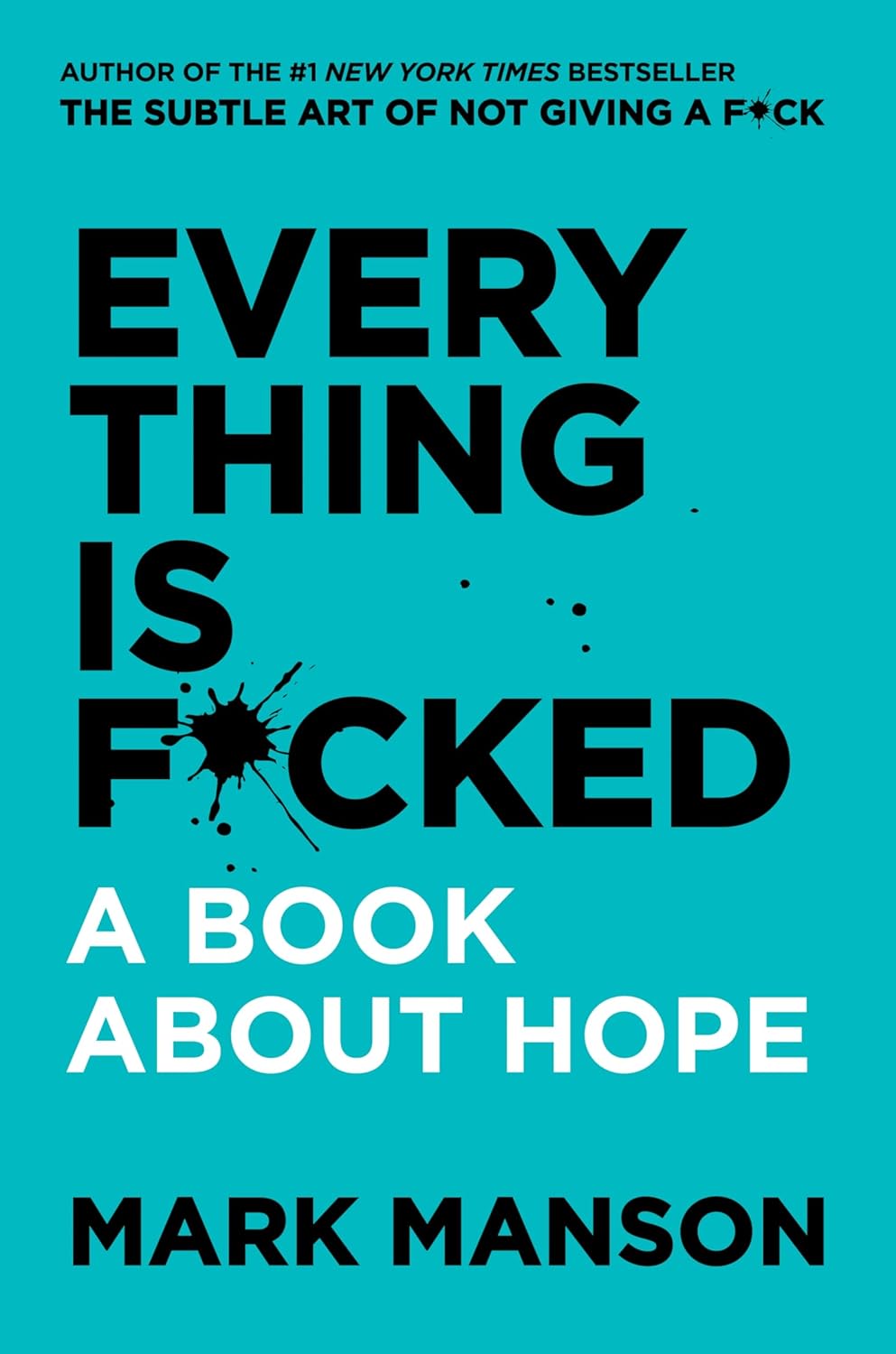
These are the ideas doing most of the work inside Everything is F*cked: A Book About Hope. Study them as reusable mental models, then jump back into chapters or questions when you want more context.
The Uncomfortable Truth
This chapter introduces the concept that pain and discomfort are essential to growth. Manson argues that avoiding discomfort leads to a lack of fulfillment and understanding.
Supporting points
- Pain is a necessary part of life.
- Avoiding discomfort can hinder personal growth.
- Embracing challenges leads to fulfillment.
How does the uncomfortable truth change the way you would explain or apply Everything is F*cked: A Book About Hope?
Chapter 1: The Uncomfortable Truth
The Value of Suffering
Manson discusses how suffering can provide meaning in life. He emphasizes that our values shape our experiences of suffering and joy.
Supporting points
- Suffering can lead to personal meaning.
- Our values dictate our experiences.
- Choosing values wisely is essential.
How does the value of suffering change the way you would explain or apply Everything is F*cked: A Book About Hope?
Chapter 2: The Value of Suffering
The Hope of the Future
This chapter explores the concept of hope and its role in human motivation. Manson argues that hope is essential for resilience and progress.
Supporting points
- Hope drives human motivation.
- Resilience is built on hopeful perspectives.
- Future
How does the hope of the future change the way you would explain or apply Everything is F*cked: A Book About Hope?
Chapter 3: The Hope of the Future
The Problem with Hope
Manson critiques the unrealistic expectations often associated with hope. He argues that blind hope can lead to disappointment and inaction.
Supporting points
- Unrealistic hope can be detrimental.
- Blind optimism leads to inaction.
- Realistic expectations foster resilience.
How does the problem with hope change the way you would explain or apply Everything is F*cked: A Book About Hope?
Chapter 4: The Problem with Hope
The Role of Responsibility
Manson discusses the importance of taking responsibility for one's life. He argues that personal accountability is crucial for achieving meaningful change.
Supporting points
- Responsibility leads to empowerment.
- Accountability fosters personal growth.
- Blaming others hinders progress.
How does the role of responsibility change the way you would explain or apply Everything is F*cked: A Book About Hope?
Chapter 5: The Role of Responsibility
The Importance of Values
This chapter delves into how our values shape our experiences and decisions. Manson emphasizes the need to evaluate and choose our values wisely.
Supporting points
- Values influence our happiness.
- Choosing values is a conscious act.
- Misaligned values lead to dissatisfaction.
How does the importance of values change the way you would explain or apply Everything is F*cked: A Book About Hope?
Chapter 6: The Importance of Values
The Power of Perspective
Manson explores how perspective shapes our understanding of events. He argues that changing our perspective can alter our emotional responses.
Supporting points
- Perspective influences emotional reactions.
- Changing viewpoints can foster resilience.
- Understanding different perspectives is vital.
How does the power of perspective change the way you would explain or apply Everything is F*cked: A Book About Hope?
Chapter 7: The Power of Perspective
The Illusion of Control
This chapter discusses the illusion of control in our lives. Manson argues that recognizing what we can and cannot control is essential for peace of mind.
Supporting points
- Control is often an illusion.
- Accepting uncertainty fosters peace.
- Focus on what you can influence.
How does the illusion of control change the way you would explain or apply Everything is F*cked: A Book About Hope?
Chapter 8: The Illusion of Control