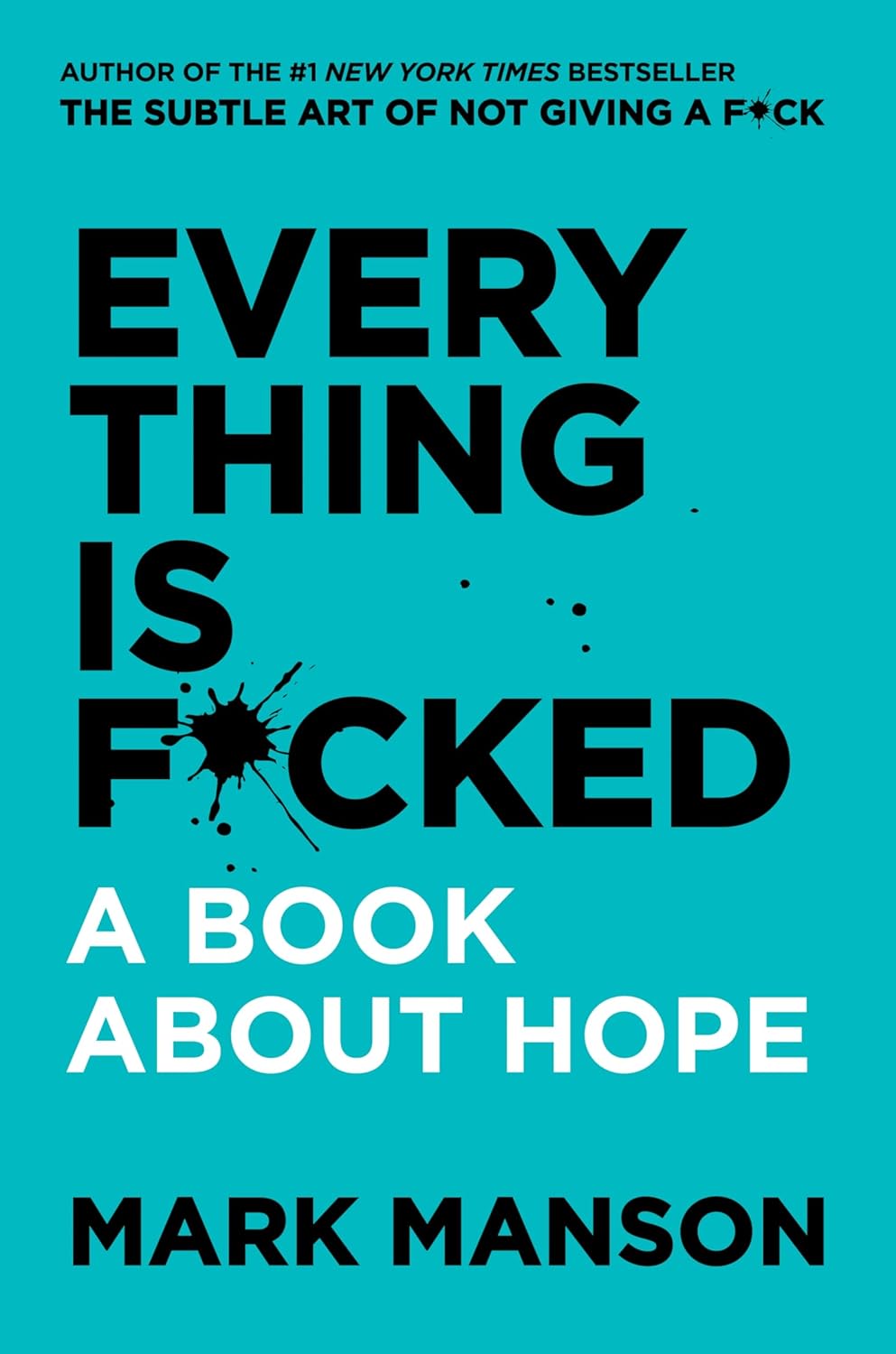
Everything is F*cked: A Book About Hope
Book ecosystem page

Everything is F*cked: A Book About Hope Summary, Takeaways, Quiz, and Chapter Guide

by Mark Manson

ReadSprint’s Everything is F*cked: A Book About Hope by Mark Manson page combines summary, takeaways, quizzes, active recall, and related books to help you learn faster and retain more.

This chapter introduces the concept that pain and discomfort are essential to growth. Manson argues that avoiding discomfort leads to a lack of fulfillment and understanding.

Built for retention

ReadSprint combines concise summaries, quizzes, active recall, and related reading paths so the useful part of the book is easier to keep.

Open full summary

10

Chapter summaries

5

Quiz questions

12

Key takeaways

1

Related books

Book overview

This chapter introduces the concept that pain and discomfort are essential to growth. Manson argues that avoiding discomfort leads to a lack of fulfillment and understanding.

This page is built to be a compact learning hub for Everything is F*cked: A Book About Hope. You can move from the high-level summary into takeaways, quiz prompts, chapter review, and related books without breaking the reading flow.

Best takeaways to keep

Pain is a necessary part of life.

Avoiding discomfort can hinder personal growth.

Embracing challenges leads to fulfillment.

Understanding our limitations is crucial.

Embrace discomfort as a pathway to personal growth.

The theme of discomfort as a catalyst for growth is central to the book. This chapter sets the stage for exploring how hope can emerge from struggle.

Open all takeaways

Retrieval practice

What is the main theme of the book?

Who is the author of the book?

What does Manson argue about suffering?

What is a key takeaway from Chapter 5?

Open questions and quiz

Quiz preview

What is the main theme of the book?

  • The importance of hope
  • The value of money
  • The power of love

Who is the author of the book?

  • Mark Manson
  • Brené Brown
  • Malcolm Gladwell

What does Manson argue about suffering?

  • It should be avoided
  • It can provide meaning
  • It is always negative

What is a key takeaway from Chapter 5?

  • Avoid responsibility
  • Embrace blame
  • Take responsibility for your life

Chapter map

Chapter 1

Chapter 1: The Uncomfortable Truth

This chapter introduces the concept that pain and discomfort are essential to growth. Manson argues that avoiding discomfort leads to a lack of fulfillment and understanding.

Chapter 2

Chapter 2: The Value of Suffering

Manson discusses how suffering can provide meaning in life. He emphasizes that our values shape our experiences of suffering and joy.

Chapter 3

Chapter 3: The Hope of the Future

This chapter explores the concept of hope and its role in human motivation. Manson argues that hope is essential for resilience and progress.

Chapter 4

Chapter 4: The Problem with Hope

Manson critiques the unrealistic expectations often associated with hope. He argues that blind hope can lead to disappointment and inaction.

Chapter 5

Chapter 5: The Role of Responsibility

Manson discusses the importance of taking responsibility for one's life. He argues that personal accountability is crucial for achieving meaningful change.

Open chapter summaries

Next best step

Move next into the questions page if you want better retention, or into the takeaways page if you want the shortest useful review loop for this book.

Quiz checkpoints

Question 1

What is the main theme of the book?

Question 2

Who is the author of the book?

Question 3

What does Manson argue about suffering?

Practice retrieval

Key concepts

The Uncomfortable Truth

The theme of discomfort as a catalyst for growth is central to the book. This chapter sets the stage for exploring how hope can emerge from struggle.

The Value of Suffering

This chapter highlights the importance of values in shaping our experiences. It connects suffering to the broader theme of finding hope through adversity.

The Hope of the Future

Hope is a recurring theme in the book, serving as a counterbalance to despair. This chapter emphasizes its necessity for a fulfilling life.

Open concept map

Related books

The closest book-to-book matches based on topic overlap, author proximity, and learning intent.

Similar themes and topic pages

Use topic hubs and category pages to keep reading depth aligned with what this book is actually about.

Turn Reading Into Recall

Keep Everything is F*cked: A Book About Hope review-ready instead of letting it fade.

This page is strongest when it becomes part of a review habit: save the summary, revisit the key takeaways, and use recall prompts before the next meeting, study block, or decision.

Save one strong takeaway instead of over-highlighting.
Use the questions page to test what actually stuck.
Return when the book becomes relevant again, not just when motivation is high.
See pricing
Get Book Review Notes

Get practical notes on remembering and reusing ideas from nonfiction books without building an overly heavy note system.

Retention workflow

Turn this page into a repeatable study loop

Move from summary to takeaways, test yourself with questions, revisit the concept map, and then continue into related books. That keeps Everything is F*cked: A Book About Hopeconnected instead of turning into a one-time skim.

Frequently asked questions

What is Everything is F*cked: A Book About Hope about?

This page summarizes the book’s core argument, chapter flow, takeaways, and review prompts so you can understand it faster and revisit the useful parts later.

How does ReadSprint make Everything is F*cked: A Book About Hope easier to remember?

By pairing concise summaries with quizzes, active recall prompts, and related reading paths instead of stopping at a generic summary page.

What should I read after Everything is F*cked: A Book About Hope?

Use the related books, books-like pages, and topical reading links here to move into a stronger next step instead of guessing what to read next.