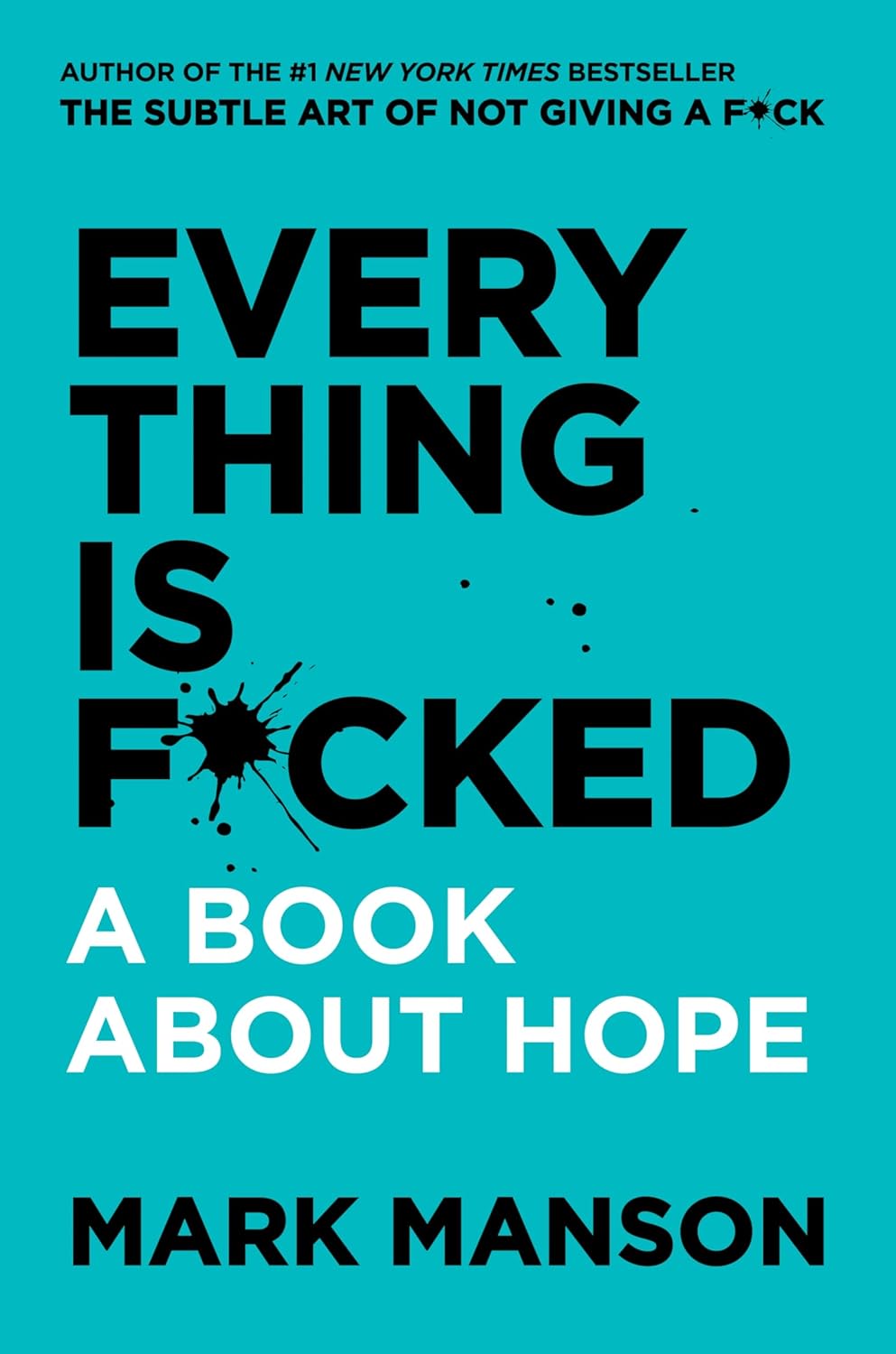
Chapter 1: The Uncomfortable Truth
Summary:
This chapter introduces the concept that pain and discomfort are essential to growth. Manson argues that avoiding discomfort leads to a lack of fulfillment and understanding.
Key points:
- Pain is a necessary part of life.
- Avoiding discomfort can hinder personal growth.
- Embracing challenges leads to fulfillment.
- Understanding our limitations is crucial.
Themes & relevance:
The theme of discomfort as a catalyst for growth is central to the book. This chapter sets the stage for exploring how hope can emerge from struggle.
Takeaway / How to use:
Embrace discomfort as a pathway to personal growth.
Key points
- Pain is a necessary part of life.
- Avoiding discomfort can hinder personal growth.
- Embracing challenges leads to fulfillment.
- Understanding our limitations is crucial.
Chapter 2: The Value of Suffering
Summary:
Manson discusses how suffering can provide meaning in life. He emphasizes that our values shape our experiences of suffering and joy.
Key points:
- Suffering can lead to personal meaning.
- Our values dictate our experiences.
- Choosing values wisely is essential.
- Meaning can be found in hardship.
Themes & relevance:
This chapter highlights the importance of values in shaping our experiences. It connects suffering to the broader theme of finding hope through adversity.
Takeaway / How to use:
Reflect on your values to find meaning in your suffering.
Key points
- Suffering can lead to personal meaning.
- Our values dictate our experiences.
- Choosing values wisely is essential.
- Meaning can be found in hardship.
Chapter 3: The Hope of the Future
Summary:
This chapter explores the concept of hope and its role in human motivation. Manson argues that hope is essential for resilience and progress.
Key points:
- Hope drives human motivation.
- Resilience is built on hopeful perspectives.
- Future
- oriented thinking fosters growth.
- Hope can be cultivated through action.
Themes & relevance:
Hope is a recurring theme in the book, serving as a counterbalance to despair. This chapter emphasizes its necessity for a fulfilling life.
Takeaway / How to use:
Cultivate hope by setting actionable goals for the future.
Key points
- Hope drives human motivation.
- Resilience is built on hopeful perspectives.
- Future
- oriented thinking fosters growth.
- Hope can be cultivated through action.
Chapter 4: The Problem with Hope
Summary:
Manson critiques the unrealistic expectations often associated with hope. He argues that blind hope can lead to disappointment and inaction.
Key points:
- Unrealistic hope can be detrimental.
- Blind optimism leads to inaction.
- Realistic expectations foster resilience.
- Hope should be grounded in reality.
Themes & relevance:
This chapter challenges conventional notions of hope, urging readers to adopt a more pragmatic approach. It fits into the book's exploration of realistic versus unrealistic expectations.
Takeaway / How to use:
Balance hope with realistic expectations to avoid disappointment.
Key points
- Unrealistic hope can be detrimental.
- Blind optimism leads to inaction.
- Realistic expectations foster resilience.
- Hope should be grounded in reality.
Chapter 5: The Role of Responsibility
Summary:
Manson discusses the importance of taking responsibility for one's life. He argues that personal accountability is crucial for achieving meaningful change.
Key points:
- Responsibility leads to empowerment.
- Accountability fosters personal growth.
- Blaming others hinders progress.
- Taking charge of your life is essential.
Themes & relevance:
Responsibility is a key theme in the book, linking personal agency to hope and fulfillment. This chapter emphasizes the need for self-ownership.
Takeaway / How to use:
Take responsibility for your actions to empower your personal growth.
Key points
- Responsibility leads to empowerment.
- Accountability fosters personal growth.
- Blaming others hinders progress.
- Taking charge of your life is essential.
Chapter 6: The Importance of Values
Summary:
This chapter delves into how our values shape our experiences and decisions. Manson emphasizes the need to evaluate and choose our values wisely.
Key points:
- Values influence our happiness.
- Choosing values is a conscious act.
- Misaligned values lead to dissatisfaction.
- Reflecting on values is crucial for growth.
Themes & relevance:
The theme of values is central to understanding personal fulfillment. This chapter connects values to the broader narrative of hope and meaning.
Takeaway / How to use:
Regularly evaluate your values to ensure they align with your goals.
Key points
- Values influence our happiness.
- Choosing values is a conscious act.
- Misaligned values lead to dissatisfaction.
- Reflecting on values is crucial for growth.
Chapter 7: The Power of Perspective
Summary:
Manson explores how perspective shapes our understanding of events. He argues that changing our perspective can alter our emotional responses.
Key points:
- Perspective influences emotional reactions.
- Changing viewpoints can foster resilience.
- Understanding different perspectives is vital.
- Perspective can be a tool for growth.
Themes & relevance:
Perspective is a recurring theme that ties into the book's exploration of hope. This chapter emphasizes the power of mindset in overcoming challenges.
Takeaway / How to use:
Practice shifting your perspective to enhance emotional resilience.
Key points
- Perspective influences emotional reactions.
- Changing viewpoints can foster resilience.
- Understanding different perspectives is vital.
- Perspective can be a tool for growth.
Chapter 8: The Illusion of Control
Summary:
This chapter discusses the illusion of control in our lives. Manson argues that recognizing what we can and cannot control is essential for peace of mind.
Key points:
- Control is often an illusion.
- Accepting uncertainty fosters peace.
- Focus on what you can influence.
- Letting go of control can be liberating.
Themes & relevance:
The theme of control ties into the broader narrative of hope and acceptance. This chapter encourages readers to find peace in uncertainty.
Takeaway / How to use:
Focus on what you can control to reduce anxiety.
Key points
- Control is often an illusion.
- Accepting uncertainty fosters peace.
- Focus on what you can influence.
- Letting go of control can be liberating.
Chapter 9: The Role of Community
Summary:
Manson emphasizes the importance of community in fostering hope and resilience. He argues that connections with others are vital for personal growth.
Key points:
- Community provides support and connection.
- Relationships enhance resilience.
- Isolation can lead to despair.
- Building a supportive network is essential.
Themes & relevance:
Community is a key theme that underscores the importance of social connections. This chapter highlights how relationships contribute to hope and fulfillment.
Takeaway / How to use:
Invest in building and maintaining supportive relationships.
Key points
- Community provides support and connection.
- Relationships enhance resilience.
- Isolation can lead to despair.
- Building a supportive network is essential.
Chapter 10: The Future of Hope
Summary:
In the final chapter, Manson reflects on the future of hope in a complex world. He encourages readers to cultivate hope through action and connection.
Key points:
- Hope requires active cultivation.
- Future
- oriented actions foster resilience.
- Community plays a crucial role in hope.
- Embrace uncertainty as part of life.
Themes & relevance:
The theme of hope culminates in this chapter, reinforcing its importance in navigating life's challenges. It serves as a call to action for readers.
Takeaway / How to use:
Actively cultivate hope through meaningful actions and connections.
Key points
- Hope requires active cultivation.
- Future
- oriented actions foster resilience.
- Community plays a crucial role in hope.
- Embrace uncertainty as part of life.