Takeaways people can pass on
These cards are tuned for social discoverability: one clean idea, one strong visual treatment, and one tap to share on mobile.
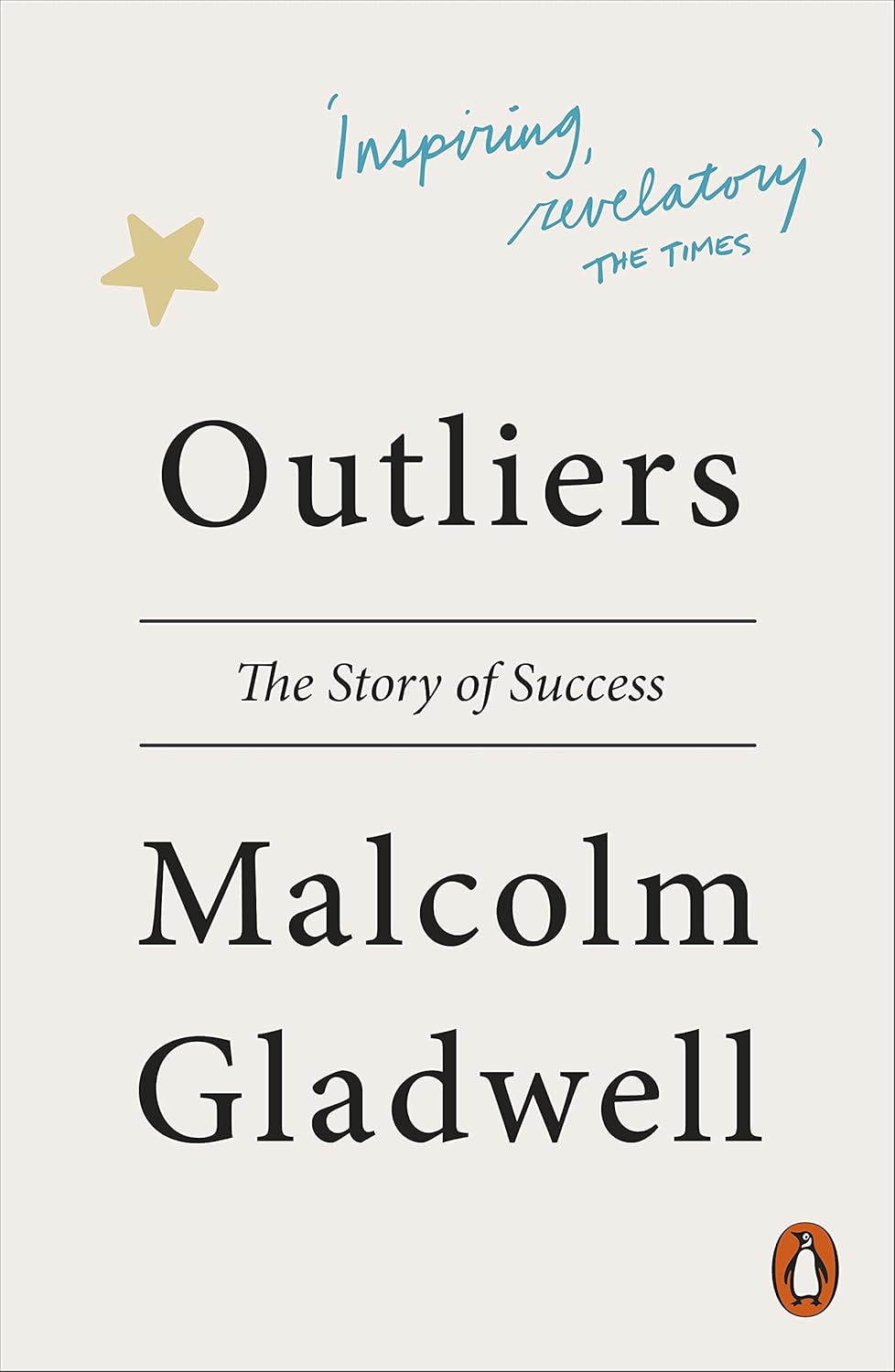
Outliers: The Story of Success
by Malcolm Gladwell
Small advantages (age, initial selection) compound over time into much larger ones.
Turn the useful part of the book into something worth passing on.
Small advantages (age, initial selection) compound over time into much larger ones.
Share with the ReadSprint source so others can read the context.
Outliers: The Story of Success
by Malcolm Gladwell
Selection and opportunity structures (e.g., sports cut
Turn the useful part of the book into something worth passing on.
Selection and opportunity structures (e.g., sports cut
Share with the ReadSprint source so others can read the context.
Outliers: The Story of Success
by Malcolm Gladwell
off dates) systematically favor certain groups.
Turn the useful part of the book into something worth passing on.
off dates) systematically favor certain groups.
Share with the ReadSprint source so others can read the context.
Outliers: The Story of Success
by Malcolm Gladwell
Social and institutional practices amplify early differences, creating cumulative advantage.
Turn the useful part of the book into something worth passing on.
Social and institutional practices amplify early differences, creating cumulative advantage.
Share with the ReadSprint source so others can read the context.
Outliers: The Story of Success
by Malcolm Gladwell
Meritocratic narratives obscure the role of luck and timing in success.
Turn the useful part of the book into something worth passing on.
Meritocratic narratives obscure the role of luck and timing in success.
Share with the ReadSprint source so others can read the context.
Outliers: The Story of Success
by Malcolm Gladwell
Policy and selection systems can unintentionally reproduce inequality.
Turn the useful part of the book into something worth passing on.
Policy and selection systems can unintentionally reproduce inequality.
Share with the ReadSprint source so others can read the context.
Outliers: The Story of Success
by Malcolm Gladwell
Look for and create early structural advantages (timing, access, mentorship) to enable cumulative success.
Turn the useful part of the book into something worth passing on.
Look for and create early structural advantages (timing, access, mentorship) to enable cumulative success.
Share with the ReadSprint source so others can read the context.
Outliers: The Story of Success
by Malcolm Gladwell
Structural and historical factors, not just individual talent, shape who gets opportunities; recognizing cumulative advantage helps explain unequal outcomes in many fields. This reframes success as often contingent on context, timing, and…
Turn the useful part of the book into something worth passing on.
Structural and historical factors, not just individual talent, shape who gets opportunities; recognizing cumulative advantage helps explain unequal outcomes in many fields. This reframes success as often contingent on context, timing, and institutional rules.
Share with the ReadSprint source so others can read the context.
Outliers: The Story of Success
by Malcolm Gladwell
Two to three sentences: Gladwell explains how small initial advantages compound over time into large differences in achievement, using the "Matthew Effect" to show that success often depends on accumulated opportunities rather than only pe…
Turn the useful part of the book into something worth passing on.
Two to three sentences: Gladwell explains how small initial advantages compound over time into large differences in achievement, using the "Matthew Effect" to show that success often depends on accumulated opportunities rather than only personal merit. He illustrates this with examples like youth hockey cut-off dates and how early advantages translate into greater coaching, practice, and visibility.
Share with the ReadSprint source so others can read the context.
Outliers: The Story of Success
by Malcolm Gladwell
Mastery requires extensive, deliberate practice; ~10,000 hours is a useful benchmark.
Turn the useful part of the book into something worth passing on.
Mastery requires extensive, deliberate practice; ~10,000 hours is a useful benchmark.
Share with the ReadSprint source so others can read the context.
Outliers: The Story of Success
by Malcolm Gladwell
Access to time and resources to practice is as important as ability.
Turn the useful part of the book into something worth passing on.
Access to time and resources to practice is as important as ability.
Share with the ReadSprint source so others can read the context.
Outliers: The Story of Success
by Malcolm Gladwell
Exceptional opportunities (technology, supportive environments) allow accumulation of practice.
Turn the useful part of the book into something worth passing on.
Exceptional opportunities (technology, supportive environments) allow accumulation of practice.
Share with the ReadSprint source so others can read the context.