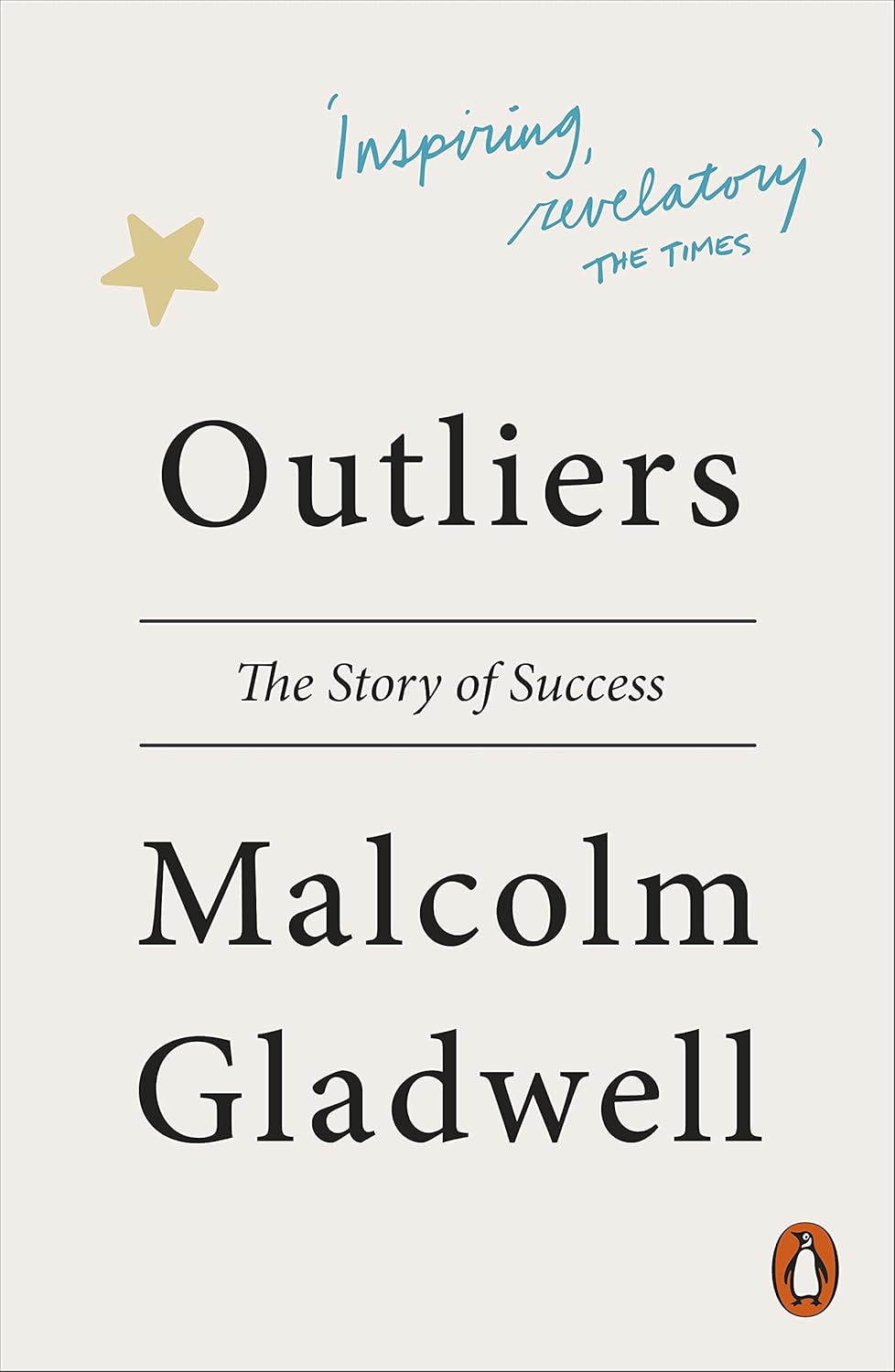
Quiz questions
According to Gladwell's "Matthew Effect" chapter, what most explains why some people accumulate large advantages over time?
- Small early advantages compound through accumulated opportunities and reinforcement
- Innate genius present from birth determines long-term success
- Random luck at a single point in time is the main factor
- Formal education alone guarantees continued advantage
What is the central claim of Gladwell’s "10,000-Hour Rule"?
- Natural talent is the primary determinant of world-class success
- Approximately 10,000 hours of focused, deliberate practice is critical to achieving high-level skill
- Short bursts of casual practice are sufficient to become an expert
- Success depends solely on IQ and not on practice
In "The Trouble with Geniuses" Gladwell argues that high IQ alone does not ensure success. Which additional factor does he emphasize as crucial?
- Access to cultural capital and the ability to navigate institutions (class, upbringing, social skills)
- Having the highest possible IQ score without any social support
- Attending elite schools is the only determinant
- Avoiding any form of collaborative work
What key explanation does Gladwell offer in "The Ethnic Theory of Plane Crashes" for some accidents?
- Cultural communication styles and high power distance in cockpit hierarchies can prevent subordinates from questioning superiors, causing fatal mistakes
- Mechanical failure is almost always the sole cause of crashes
- Weather and pilot fatigue are the only important factors
- Airline regulations alone determine crash likelihood
Which set of factors best summarizes the lessons Gladwell draws from Joe Flom's career?
- Pure individual genius unrelated to timing or social context
- Demographic timing, willingness to do undesirable work, and benefiting from specific historical opportunities
- Avoiding risky or specialized work to focus on broad markets
- Immediate financial capital and celebrity status as the only drivers of success
Active recall prompts
According to Gladwell's "Matthew Effect" chapter, what most explains why some people accumulate large advantages over time?
What is the central claim of Gladwell’s "10,000-Hour Rule"?
In "The Trouble with Geniuses" Gladwell argues that high IQ alone does not ensure success. Which additional factor does he emphasize as crucial?
What key explanation does Gladwell offer in "The Ethnic Theory of Plane Crashes" for some accidents?
What is the main idea of "The Matthew Effect", and how would you explain it without looking back?
What is the main idea of "The 10,000-Hour Rule", and how would you explain it without looking back?
What is the main idea of "The Trouble with Geniuses, Part 1", and how would you explain it without looking back?
What is the main idea of "The Trouble with Geniuses, Part 2", and how would you explain it without looking back?