Takeaways people can pass on
These cards are tuned for social discoverability: one clean idea, one strong visual treatment, and one tap to share on mobile.
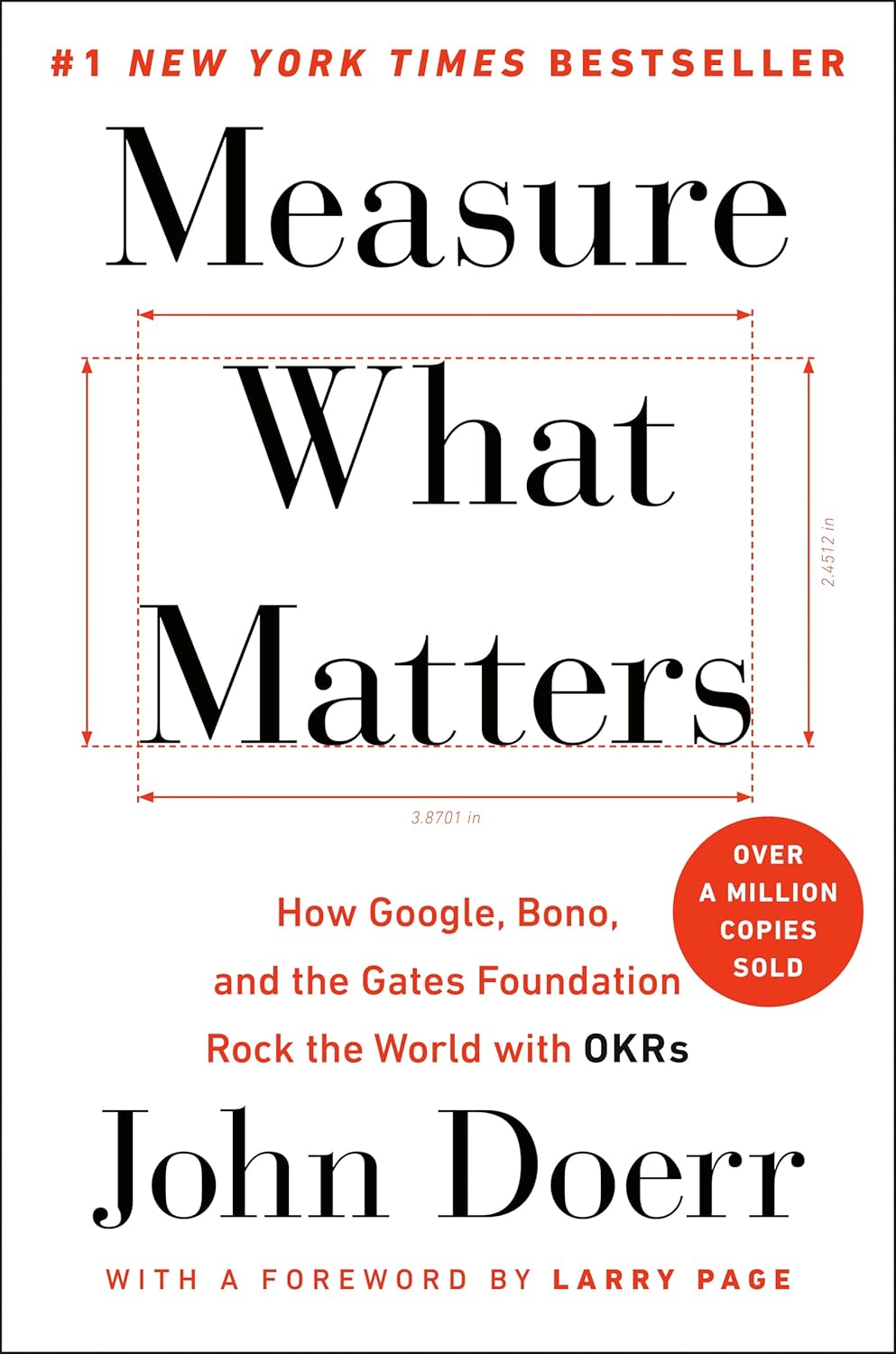
Measure What Matters
by John Doerr
OKRs combine qualitative objectives with quantitative key results to make goals clear and measurable.
Turn the useful part of the book into something worth passing on.
OKRs combine qualitative objectives with quantitative key results to make goals clear and measurable.
Share with the ReadSprint source so others can read the context.
Measure What Matters
by John Doerr
Transparency and public sharing of OKRs create alignment and accountability across organizations.
Turn the useful part of the book into something worth passing on.
Transparency and public sharing of OKRs create alignment and accountability across organizations.
Share with the ReadSprint source so others can read the context.
Measure What Matters
by John Doerr
OKRs encourage aspirational thinking while still tracking measurable outcomes.
Turn the useful part of the book into something worth passing on.
OKRs encourage aspirational thinking while still tracking measurable outcomes.
Share with the ReadSprint source so others can read the context.
Measure What Matters
by John Doerr
Adopt OKRs to convert strategic priorities into a few measurable objectives that everyone can see and align to.
Turn the useful part of the book into something worth passing on.
Adopt OKRs to convert strategic priorities into a few measurable objectives that everyone can see and align to.
Share with the ReadSprint source so others can read the context.
Measure What Matters
by John Doerr
The chapter frames OKRs as a practical tool for leaders to execute strategy and foster a performance culture, relevant to teams seeking better outcomes and clearer priorities. OKRs are positioned as adaptable across organizational sizes an…
Turn the useful part of the book into something worth passing on.
The chapter frames OKRs as a practical tool for leaders to execute strategy and foster a performance culture, relevant to teams seeking better outcomes and clearer priorities. OKRs are positioned as adaptable across organizational sizes and industries.
Share with the ReadSprint source so others can read the context.
Measure What Matters
by John Doerr
Measure What Matters introduces OKRs (Objectives and Key Results) as a simple, powerful goal-setting system that drives focus, alignment, and measurable progress. The chapter explains why organizations from startups to large companies use…
Turn the useful part of the book into something worth passing on.
Measure What Matters introduces OKRs (Objectives and Key Results) as a simple, powerful goal-setting system that drives focus, alignment, and measurable progress. The chapter explains why organizations from startups to large companies use OKRs to turn strategy into action and to encourage ambitious, transparent performance.
Share with the ReadSprint source so others can read the context.
Measure What Matters
by John Doerr
Objectives are aspirational and descriptive; Key Results are specific, measurable, and time
Turn the useful part of the book into something worth passing on.
Objectives are aspirational and descriptive; Key Results are specific, measurable, and time
Share with the ReadSprint source so others can read the context.
Measure What Matters
by John Doerr
bound.
Turn the useful part of the book into something worth passing on.
Measure What Matters
by John Doerr
KRs should measure outcomes, not tasks, and typically use numeric targets.
Turn the useful part of the book into something worth passing on.
KRs should measure outcomes, not tasks, and typically use numeric targets.
Share with the ReadSprint source so others can read the context.
Measure What Matters
by John Doerr
Scoring (often 0.0–1.0 or 0–1 scale) provides a simple way to evaluate progress.
Turn the useful part of the book into something worth passing on.
Scoring (often 0.0–1.0 or 0–1 scale) provides a simple way to evaluate progress.
Share with the ReadSprint source so others can read the context.
Measure What Matters
by John Doerr
Differentiates aspirational (stretch) OKRs from committed OKRs with different expectations.
Turn the useful part of the book into something worth passing on.
Differentiates aspirational (stretch) OKRs from committed OKRs with different expectations.
Share with the ReadSprint source so others can read the context.
Measure What Matters
by John Doerr
Write one clear Objective and 2–5 measurable Key Results that, if achieved, mean the Objective is met.
Turn the useful part of the book into something worth passing on.
Write one clear Objective and 2–5 measurable Key Results that, if achieved, mean the Objective is met.
Share with the ReadSprint source so others can read the context.